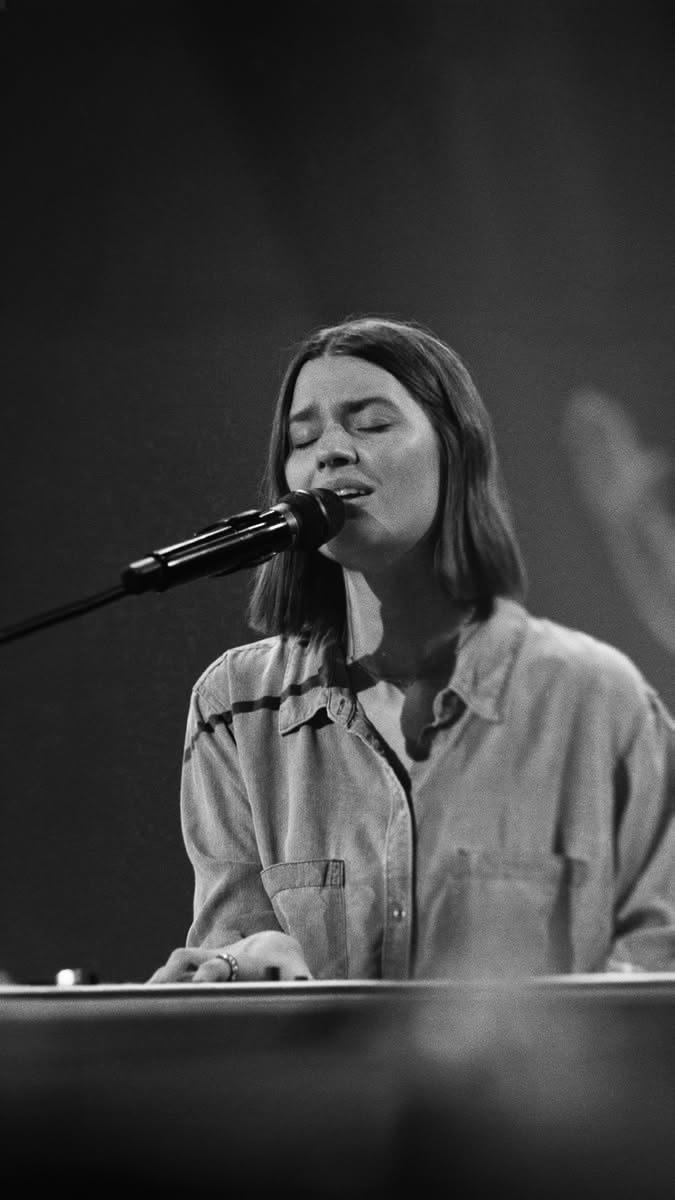
In the contemporary landscape of Christian worship, the shift toward modern praise choruses has often come at the expense of the traditional hymn. While contemporary music excels at fostering immediate emotional connection and personal intimacy, the historical purpose of the hymn—acting as a robust, collective anchor for the soul—is increasingly overlooked. Hymns were never intended to be mere musical interludes; they were designed as architectural structures for the mind, built to house deep theological truths that could withstand the pressures of a shifting culture. By neglecting this heritage, modern practice risks trading a deep-rooted spiritual stability for a more fleeting, experience-based devotion.
The Loss of Collective Identity
One of the most vital “forgotten” functions of the hymn is its role in forging a trans-generational identity. A hymn is a bridge across time, allowing a twenty-first-century congregation to sing the exact same confessions of faith as those in the seventeenth or eighteenth centuries. This continuity provides a profound sense of belonging to a “great cloud of witnesses,” moving the focus away from the individual’s current mood and toward the eternal nature of the community. When hymns are removed from the rotation, the church loses its “family accents,” potentially isolating the modern believer from the wisdom and resilience of those who walked the path of faith before them.
The Disappearance of Objective Proclamation
Modern worship frequently leans into the “I” and the “me”—how I feel, what I need, and my personal relationship with the Divine. In contrast, the primary engine of a hymn is often objective proclamation: who God is, what He has done, and the immutable nature of His character. This shift from the subjective to the objective is crucial for spiritual maturity. Hymns force the singer to look outward and upward, providing a necessary correction to the inward-focused anxiety of the modern age. They remind the worshiper that their faith is grounded in historical facts and cosmic realities that remain true regardless of their personal emotional state on any given Sunday.
A Diminished Theological Vocabulary
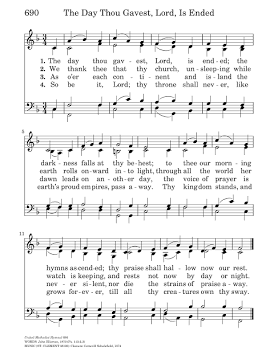
There is a mechanical efficiency to hymns that serves as a primary tool for theological literacy. Because hymns typically follow a strophic form—multiple verses set to the same melody—they can carry a significantly higher “word count” and more complex arguments than a repetitive chorus. This structure allows for a systematic exploration of doctrines such as justification, sanctification, and eschatology within a single five-minute window. As hymns fade, the collective theological vocabulary of the laity often shrinks, leaving believers less equipped to articulate the nuances of their faith in a professional or pluralistic world.
Reclaiming the High Ground
Reintroducing hymns is not an exercise in nostalgia; it is a strategic move toward a more holistic spiritual health. A balanced worship life integrates the visceral, “in-the-moment” energy of modern song with the intellectual and historical gravity of the hymn. By reclaiming these “forgotten” purposes, leaders can offer their communities a faith that is both emotionally vibrant and intellectually resilient. This synthesis creates a culture of worship that is not only fit for recommendation in a professional context but is also capable of sustaining the human spirit through the complexities of the modern era.