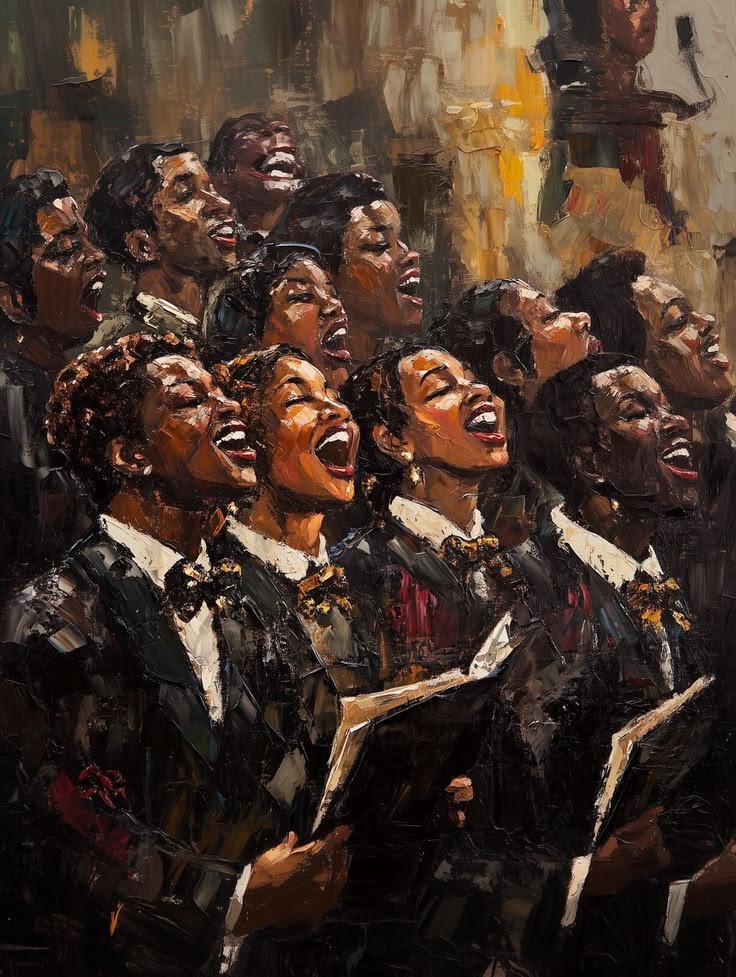
In contemporary religious and professional discussions around sacred music, the terms “praise,” “worship,” and “hymns” are frequently used interchangeably. However, they represent three distinct dimensions of spiritual expression, each with its own purpose, mechanics, and emotional landscape. Confusing them can lead to an unbalanced spiritual diet or a misunderstanding of corporate gathering design. By defining these terms clearly, leaders and participants can better appreciate how each element contributes to a holistic experience of devotion and community building.
Praise: The Celebration of Divine Action
Praise is fundamentally active, celebratory, and outward-facing. It is the enthusiastic acknowledgment of what God has done—His victories, blessings, and acts of deliverance. Structurally, praise often utilizes fast tempos, joyful rhythms, and physical expressions like clapping or dancing, mirroring the ancient celebratory traditions found throughout history. Its primary function is to shift the atmosphere of a room from introspection to celebration, inviting individuals to look past their immediate problems and focus on historical and present reasons for gratitude.
Worship: The Intimacy of Divine Being
While praise focuses on the works of God, worship transitions into an intimate focus on the character and being of God. In a professional sense, if praise is the enthusiastic applause at an awards ceremony, worship is the quiet, deep conversation between trusted partners. It requires a high level of vulnerability and emotional intelligence, moving the participant from a state of vocal excitement to one of reflective awe.
Hymns: The Preservation of Sound Doctrine
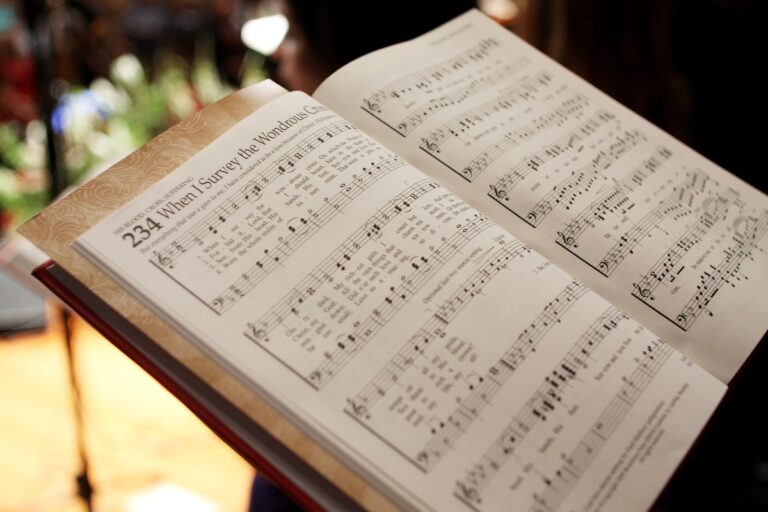
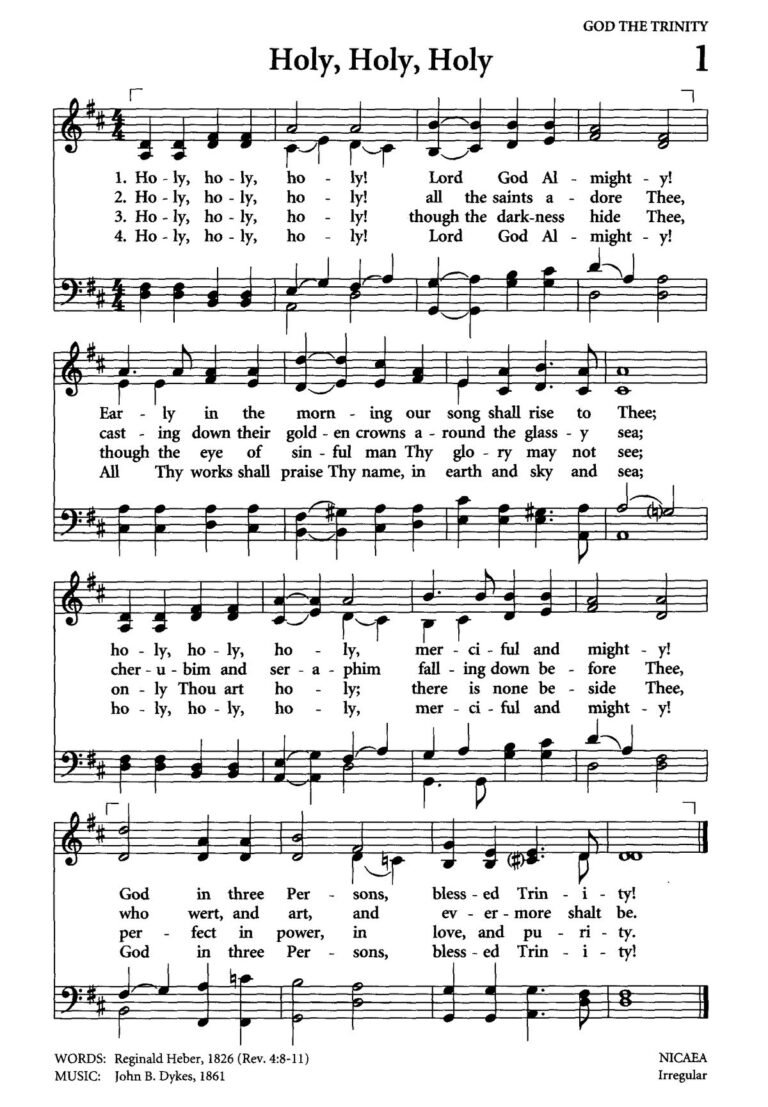
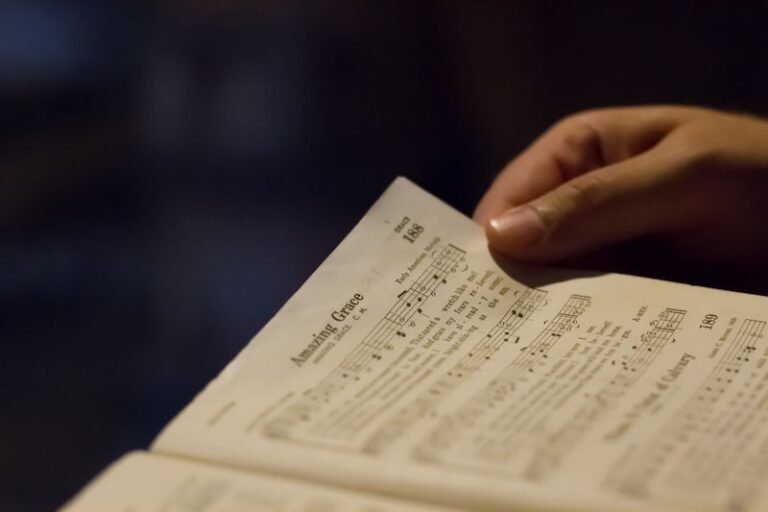
Hymns represent a completely different category based on structural form and educational intent rather than emotional state. A hymn is a structured, poetic composition designed to teach and preserve sound doctrine across generations. Unlike contemporary praise or worship songs that might focus heavily on subjective feelings, hymns function as a “melodic catechism.” They pack complex theological concepts into metered, rhyming verses that act as powerful memory tools. A hymn can contain elements of both praise and worship, but its defining characteristic is its durability and commitment to scriptural accuracy.
The Synergy of a Balanced Routine
Ultimately, a healthy spiritual environment relies on the synergy of all three elements. Praise provides the initial energy and perspective shift, worship fosters deep emotional connection and personal humility, and hymns supply the intellectual foundation that keeps the entire practice anchored in truth. Neglecting any of these components can result in an experience that is either too emotionally dry or lacking in theological depth. Recommending a balanced approach to these musical and spiritual disciplines ensures that individuals build a resilient, well-rounded faith capable of withstanding the pressures of modern life.