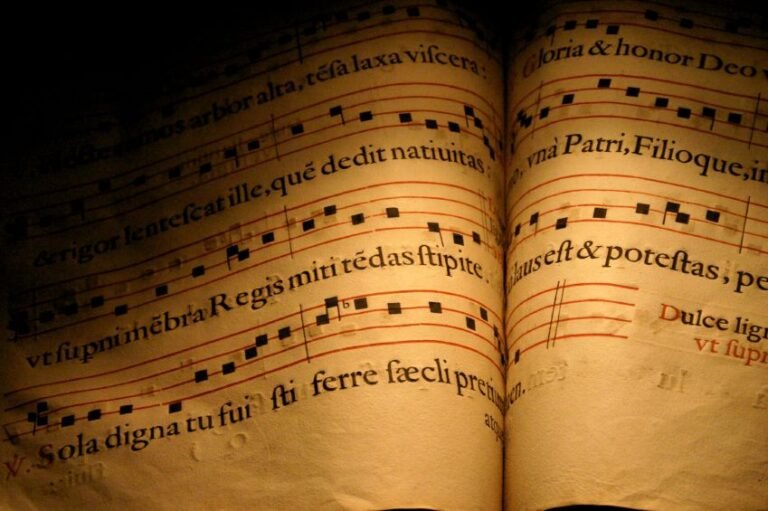
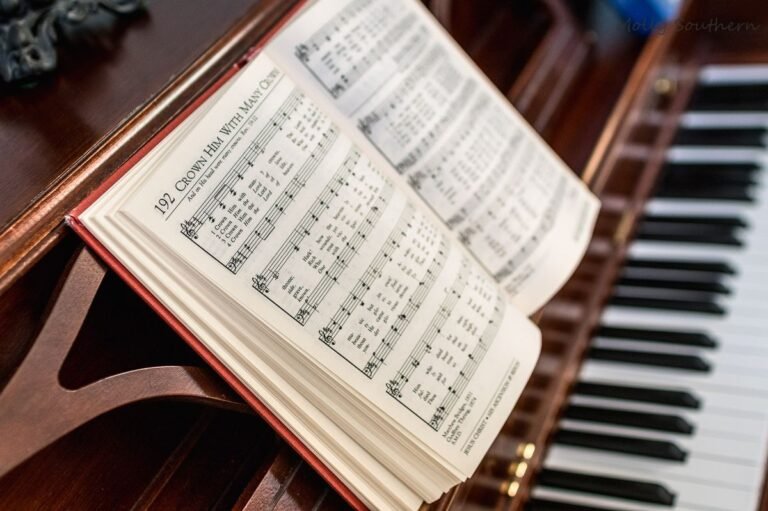
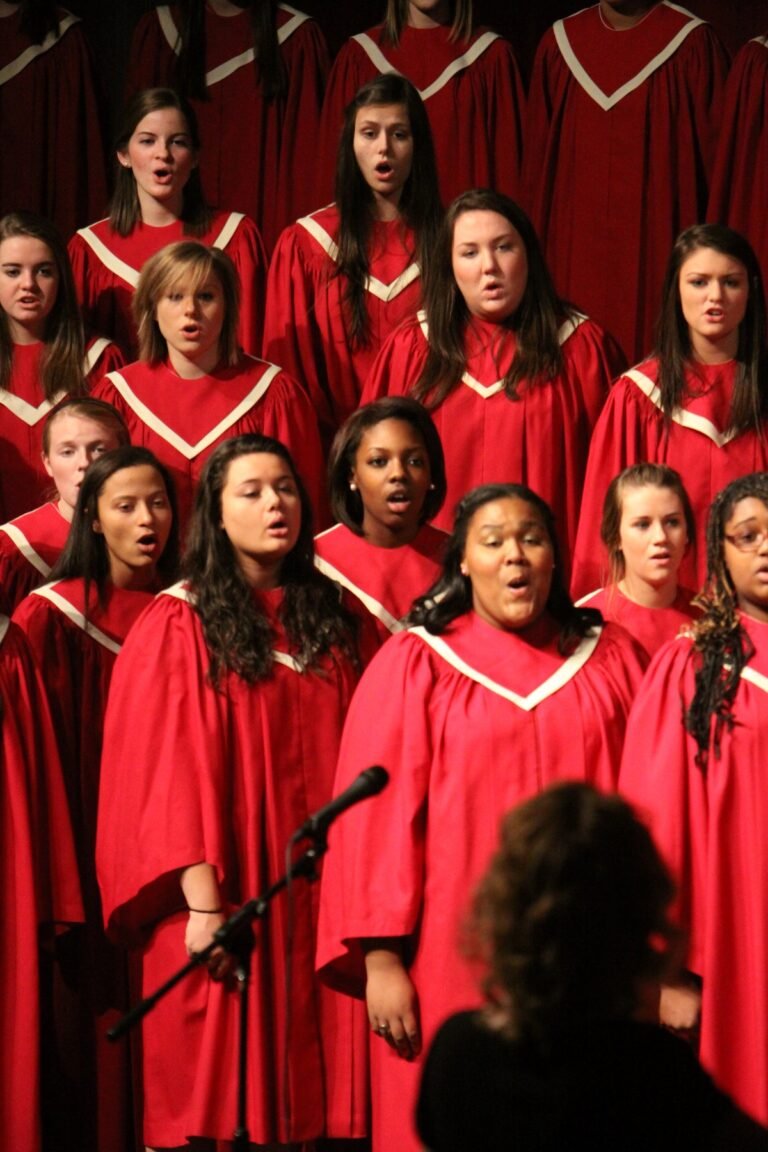
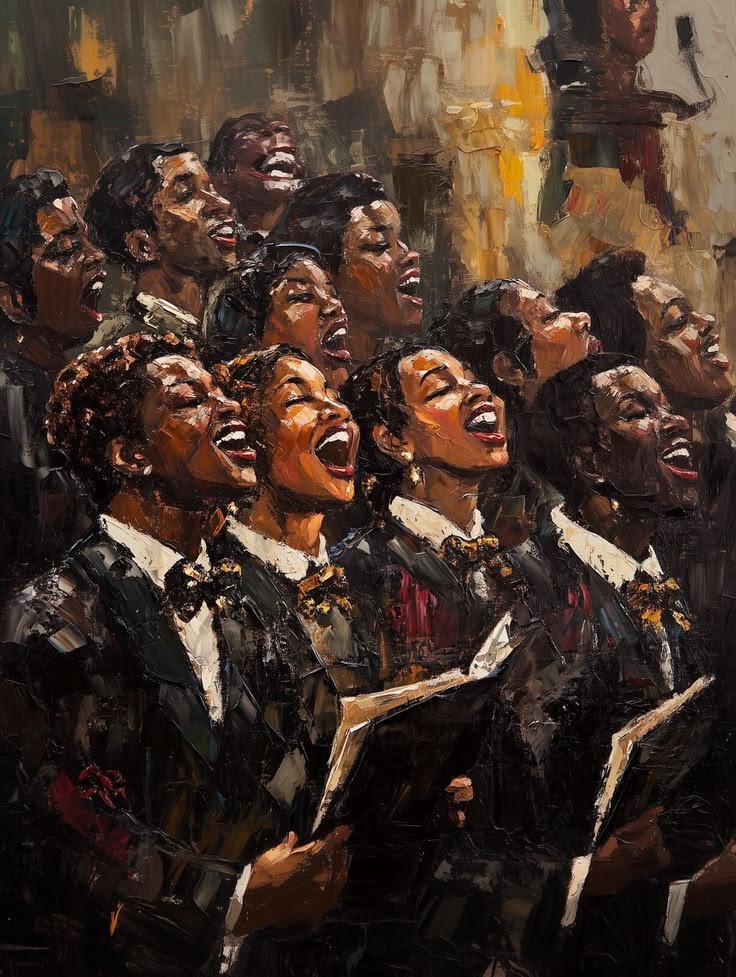
The question of whether hymns are losing their purpose in contemporary worship is not merely a debate over musical style, but a reflection on the shifting priorities of the modern church. For centuries, hymns served as the primary vehicle for congregational participation and theological education. Today, the rise of contemporary worship music—characterized by its focus on personal experience and modern production—has led some to view the traditional hymnal as a relic of a bygone era. However, the “purpose” of a hymn was never solely about the melody; it was about providing a durable, collective vocabulary for faith that could withstand the pressures of time and culture.
The Tension Between Emotion and Doctrine
One of the most significant shifts in modern worship is the move from the didactic to the relational. Traditional hymns were often written as “mini-meditations” on complex doctrines, designed to teach the singer the nuances of the faith. In contrast, many modern worship songs prioritize emotional resonance and personal intimacy with the Divine. While this shift has made worship more accessible and expressive for a new generation, it risks creating a “theological thinness” if the robust, objective truths found in hymns are entirely discarded. The purpose of hymns today is to act as a weight—a necessary anchor that keeps the emotional highs of contemporary music grounded in historical orthodoxy.
The Mnemonic Power of the Hymnal
In an age of digital distraction and fleeting content, the structural stability of hymns offers a unique advantage for spiritual retention. The rhythmic and poetic nature of a hymn makes it a powerful mnemonic device, embedding scripture and theology into the long-term memory of the believer. While a contemporary song may capture the “spirit of the moment,” hymns are often the words that return to an individual in the “hour of death” or during seasons of intense trial. Losing hymns would mean losing a critical tool for internalizing the faith, effectively diminishing the congregation’s ability to carry their worship outside the church walls.
Bridging the Generational Divide
The perceived decline of hymns often stems from a “culture chasm” between older members who cherish tradition and younger members who seek cultural relevance. However, a growing trend in 2026 is the emergence of “modern hymnody,” where traditional texts are reimagined with contemporary arrangements. This hybrid approach suggests that the purpose of hymns is not fading, but evolving. By stripping away the “museum-piece” stigma and focusing on the enduring quality of the lyrics, churches are finding that hymns can actually serve as a bridge, uniting diverse age groups through a shared, timeless narrative rather than dividing them by musical preference.
A Lasting Recommendation for Worship
Ultimately, hymns are not losing their purpose; they are being redefined as the “sacred standards” of the church. A healthy worship environment requires both the “new song” of current experience and the “old song” of historical continuity. To discard hymns is to silence the voices of the saints who navigated similar struggles across the centuries. For any modern faith community, the professional recommendation is not to choose between the old and the new, but to integrate them. In doing so, worship remains both vibrant and deep, ensuring that the congregation is not just singing for today, but building a foundation for the future.