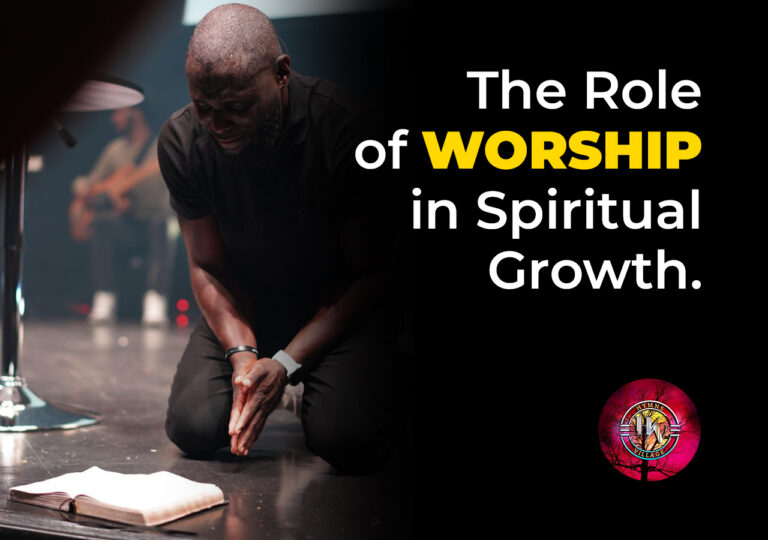
Worship is often narrowly defined by the songs sung within a sanctuary, yet its biblical definition is far more expansive and profound. It is rooted in the concept of proskuneo, an ancient Greek term suggesting a physical prostration or a deep, internal bowing of the heart. To understand what the Bible truly says about worship is to recognize it as a holistic response to the character of the Divine. It is not an event one attends, but a continuous orientation of the soul toward its source, requiring both emotional sincerity and intellectual integrity.
Beyond the Musical Frame
While music is a powerful medium for expression, the biblical narrative emphasizes that ritual without righteousness is hollow. Historical texts frequently highlight a Divine preference for justice and mercy over elaborate ceremonies or “the noise of songs.” True worship, therefore, involves the alignment of one’s daily conduct with ethical principles. When an individual operates with integrity in their professional life or extends compassion to those in need, they are engaging in a form of liturgy that resonates more deeply than any melodic arrangement.
Worship as a Living Sacrifice
A pivotal shift in the understanding of worship occurs with the call to present one’s entire life as a “living sacrifice.” This metaphor moves the altar from a specific geographical location to the sphere of everyday existence. It suggests that every decision, from the way we manage our resources to how we treat our colleagues, carries spiritual weight. This perspective transforms the mundane into the sacred, suggesting that professional excellence and personal character are the primary instruments through which one honors their Creator.
The Role of Community and Unity
Biblical worship is also intrinsically communal, designed to foster unity among diverse groups of people. It serves as a leveling ground where social status, wealth, and background are secondary to a shared purpose. In this corporate setting, the act of gathering is meant to stir up “love and good works,” acting as a catalyst for social cohesion. By setting aside individual agendas to focus on a singular, transcendent objective, a community builds a foundation of mutual respect that can weather the complexities of human disagreement.
A Lifestyle of Constant Awareness
Ultimately, the secret to biblical worship is its persistence. It is described as a “sacrifice of praise” that should be offered continually, regardless of external circumstances. This does not imply a state of perpetual singing, but a state of perpetual awareness—a mindful recognition of the sacred in the ordinary. By anchoring one’s identity in these unchanging truths, an individual gains a sense of poise and resilience. This consistent devotion provides a professional and personal stability that remains unshaken by the fluctuating tides of modern life.