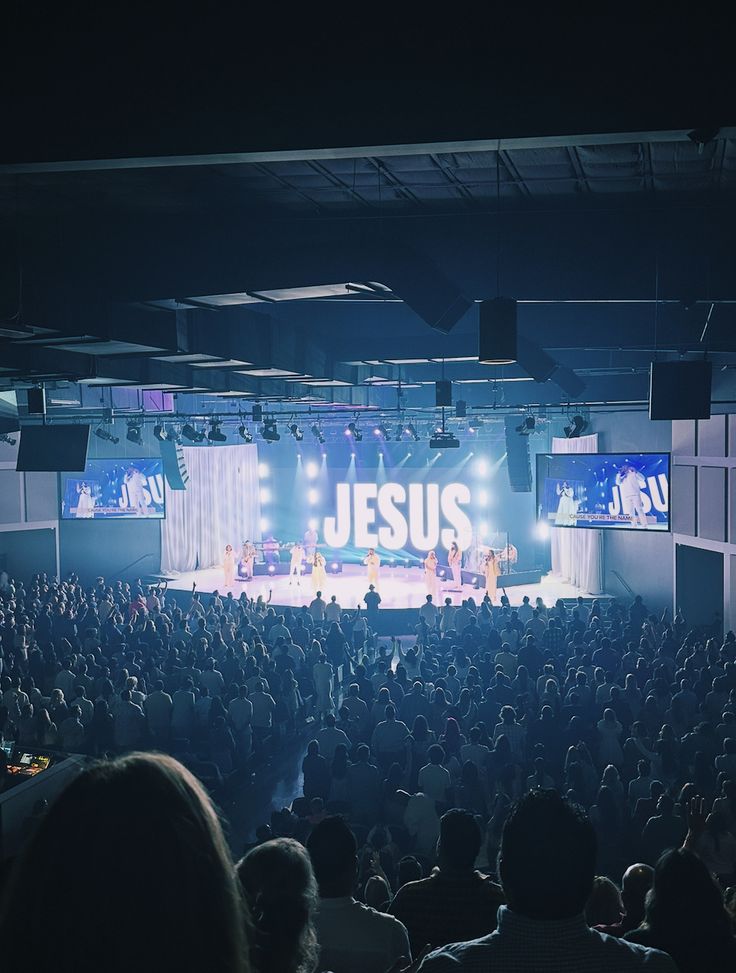
The evolution of worship from the Old Testament to the New Testament represents a profound shift from external ritual to internal transformation. In the Old Covenant, worship was meticulously structured around a physical Tabernacle and later the Temple, where the presence of the Divine was veiled and localized. This era was defined by a complex system of animal sacrifices, sensory experiences—such as the scent of incense and the sight of ornate priestly garments—and a strict adherence to a liturgical calendar. These elements served as a “shadow” of things to come, emphasizing the holiness of God and the necessary mediation required for a fallen humanity to approach Him.
The Role of the Priesthood and Access
A primary distinction between the two eras lies in the concept of access. In the Old Testament, worship was mediated by a specific lineage of priests who acted as intermediaries between the people and God. Only the High Priest could enter the “Holy of Holies,” and even then, only once a year with the blood of atonement. Conversely, the New Testament introduces the “priesthood of all believers.” Because of the finished work of Christ, the symbolic veil was torn, granting every individual direct, unhindered access to the Divine. Worship shifted from a specialized duty performed by a few to a personal and communal privilege available to all.
From Sacred Places to Sacred People
Perhaps the most radical departure is the transition from a “where” to a “who.” In the Old Testament, worship was tethered to a geographical location—Jerusalem was the epicenter of spiritual life. In the New Covenant, Jesus reframed this by stating that true worshipers would worship “in spirit and in truth,” independent of a specific mountain or temple. The New Testament teaches that the believer’s body and the gathered community are now the “Temple of the Holy Spirit.” This desacralization of geography means that worship is no longer a destination one visits, but a presence one carries into every facet of life.
The Nature of Sacrifice
While the Old Testament required the repeated sacrifice of bulls and goats to temporarily cover sin, the New Testament center of worship is the “once for all” sacrifice of Jesus. This shift fundamentally changed the motivation for worship. Rather than offering sacrifices to appease or seek favor, New Testament worship is a response of gratitude for a favor already received. The “living sacrifice” described by the Apostle Paul is not a dead animal on an altar, but a life dedicated to ethical living and service. Worship, therefore, transitioned from a ceremonial transaction to a holistic, life-encompassing expression of devotion.
The Continuity of the Heart
Despite these structural differences, the core requirement of worship remains unchanged across both testaments: the condition of the heart. The prophets of the Old Testament frequently warned that outward rituals were meaningless without inward obedience, a sentiment echoed and amplified in the New Testament. Whether through the smoke of an altar or the singing of a modern hymn, the essence of worship has always been the alignment of the human will with the Divine. The transition from Old to New is not a rejection of the past, but the fulfillment of a promise—moving from a system of symbols to a reality of direct, spiritual intimacy.