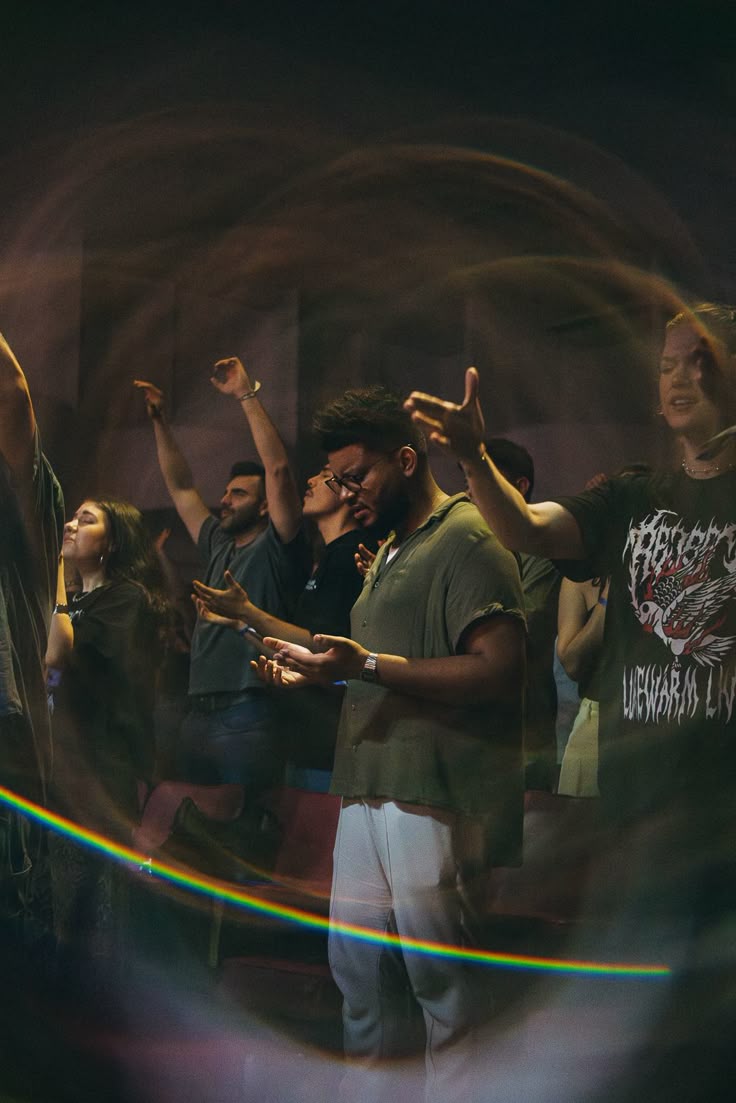
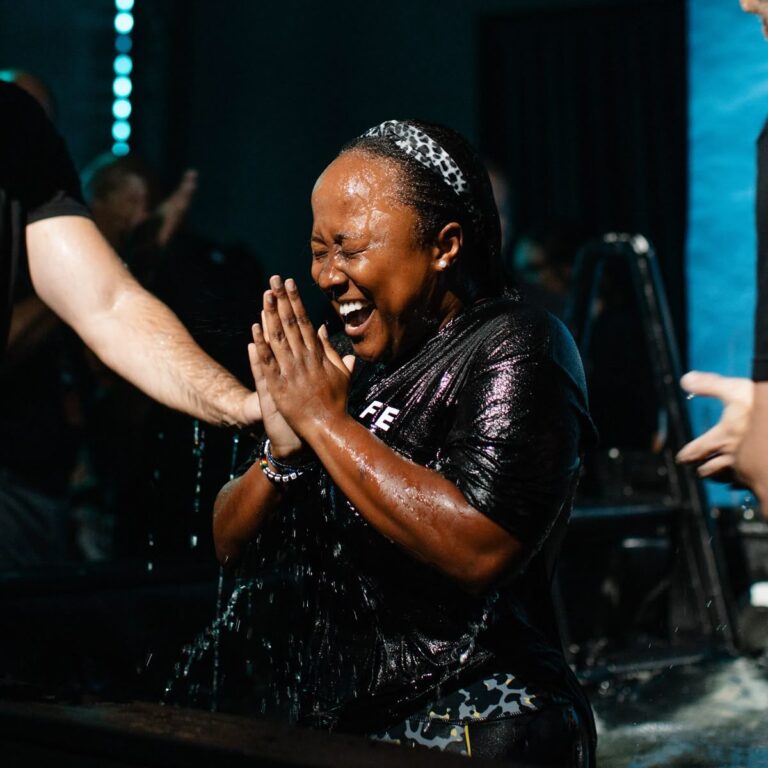
In many contemporary circles, worship is often confined to the four walls of a sanctuary or the duration of a specific ceremony. We tend to view it as a scheduled “event”—a momentary peak of emotional or spiritual intensity marked by music and liturgy. However, true worship was never intended to be a Sunday-exclusive appointment. When we shift our perspective to see worship as a lifestyle, it ceases to be something we “go to” and becomes the very atmosphere we breathe. It is the conscious decision to align every mundane action with a higher sense of purpose and reverence.
Beyond the Sanctuary Walls
If worship is restricted to a physical location, it becomes fragmented and fragile. A lifestyle of worship, conversely, suggests that the boardroom, the kitchen, and the gym are just as sacred as the altar. It is found in the integrity of a business deal, the patience shown to a frustrated child, and the excellence brought to a professional project. By removing the divide between the “sacred” and the “secular,” we transform our daily routines into a continuous offering. In this framework, our work becomes our worship, and our interactions become our hymns.
The Power of Intentionality
The transition from event-based worship to a lived experience requires a profound shift in intentionality. It is not about performing religious rituals throughout the day, but about the posture of the heart behind every task. Whether you are navigating a difficult conversation or celebrating a personal milestone, the focus remains on gratitude and stewardship. This mindset guards against the “burnout” often associated with emotional highs, providing instead a steady, rhythmic peace that sustains us through the complexities of modern life.
Consistency Over Performance
One of the greatest pitfalls of viewing worship as an event is the pressure to “perform” or reach a specific emotional state. A lifestyle approach prioritizes consistency over performance. It acknowledges that some days are quiet, others are chaotic, and many are simply ordinary. Yet, the commitment to living honorably remains unchanged. This creates a resilient character that doesn’t rely on the right lighting or the perfect melody to feel connected to a greater purpose; the connection is already woven into the fabric of one’s identity.
A Legacy of Living Sacrifice
Ultimately, defining worship as a lifestyle ensures that our influence extends far beyond a weekly gathering. It builds a legacy characterized by authenticity rather than intermittent piety. When our lives serve as the primary expression of our values, we offer the world something far more compelling than a fleeting performance—we offer a consistent, living testimony of devotion. By embracing this holistic view, we find that the most profound “services” are often held in the quiet, unobserved moments of a life well-lived.