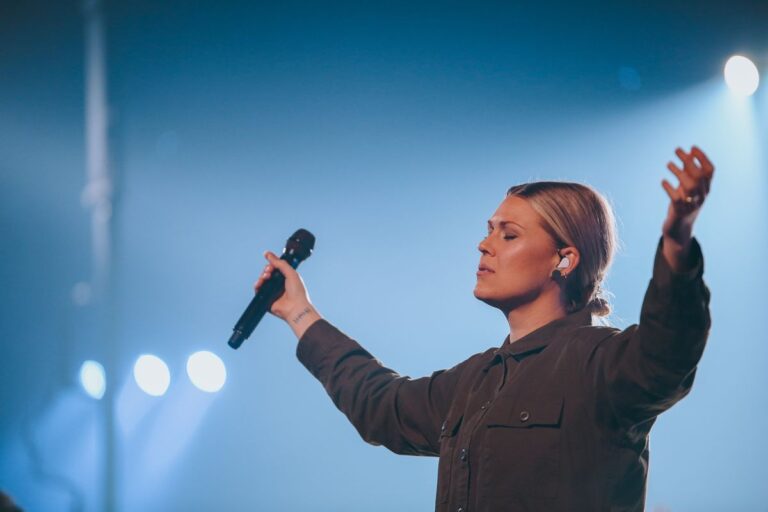
In a world increasingly driven by metrics, “likes,” and outward displays of excellence, it is easy to mistake activity for intimacy. This is particularly true in spiritual contexts, where the line between genuine devotion and religious performance often blurs. However, at the core of divine longing is a desire for connection rather than a demonstration of skill. God is not looking for a polished production; He is looking for a person.
The fundamental difference between a performer and a worshipper lies in the direction of the heart. A performer is often focused on the audience—their perception, their approval, and the flawlessness of the delivery. Performance is about competence and the ego’s need to be seen as sufficient. Worship, conversely, is an act of surrender. It is the honest response of a soul recognizing something greater than itself, prioritizing authenticity over accuracy and presence over presentation.
Furthermore, performance is inherently exhausting because it requires a mask. It demands that we hide our fractures and present only our “best selves” to be worthy of notice. True worship requires the exact opposite: vulnerability. Spiritual connection thrives in the spaces where we are most honest about our limitations. When the pressure to perform is removed, it creates an environment where growth can happen naturally, fueled by love rather than the fear of falling short of a standard.
From a professional or leadership perspective, this distinction is vital. Just as a brand loses its soul when it prioritizes optics over its core values, spiritual life loses its power when it becomes a series of choreographed rituals. A “performer” might hit every note or follow every rule perfectly, but they leave the observer—and themselves—spiritually hungry. A “worshipper” invites others into an experience that is grounded, real, and transformative because it originates from a place of truth.
Ultimately, the search for worshippers is a search for partnership. Performance is a solo act, but worship is a dialogue. By setting aside the need to impress, we open the door to being truly known. Moving from the stage to the altar of the heart allows for a shift from a transactional faith to a transformational one, proving that what is most valuable is not what we can do, but who we are becoming in the light of the Divine.