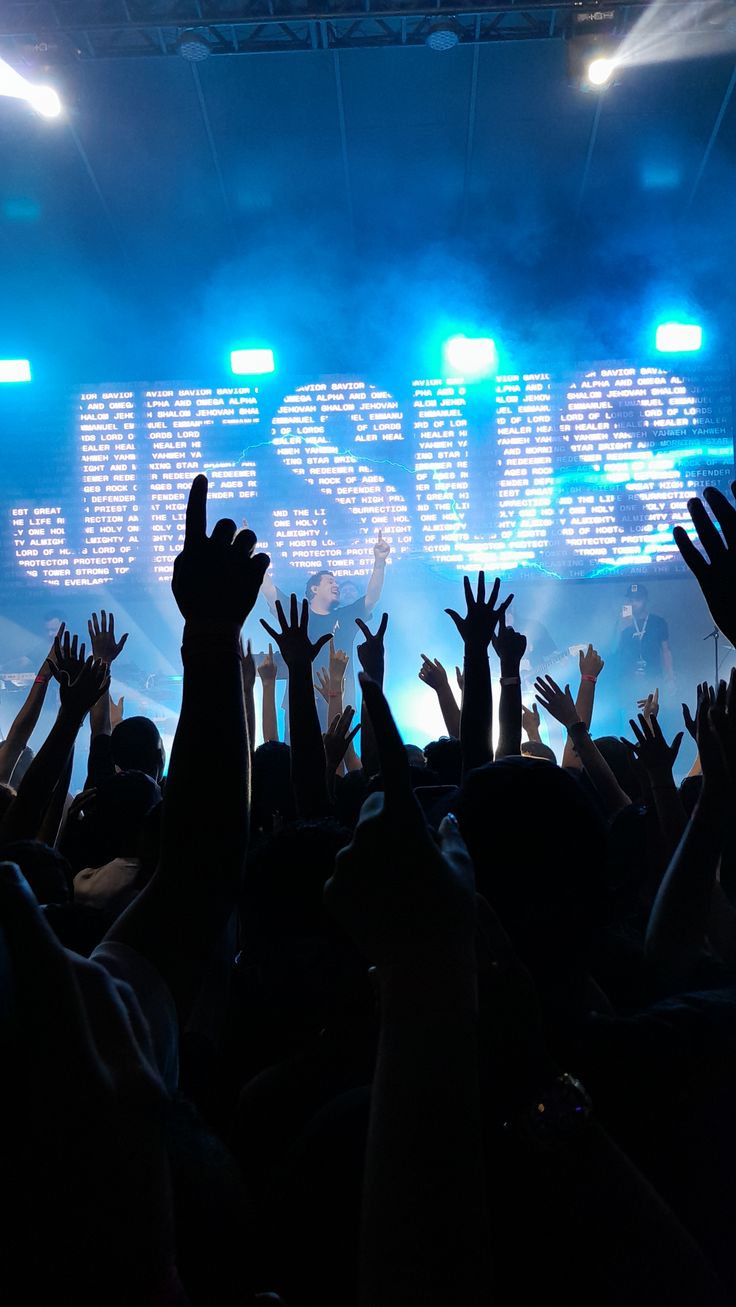
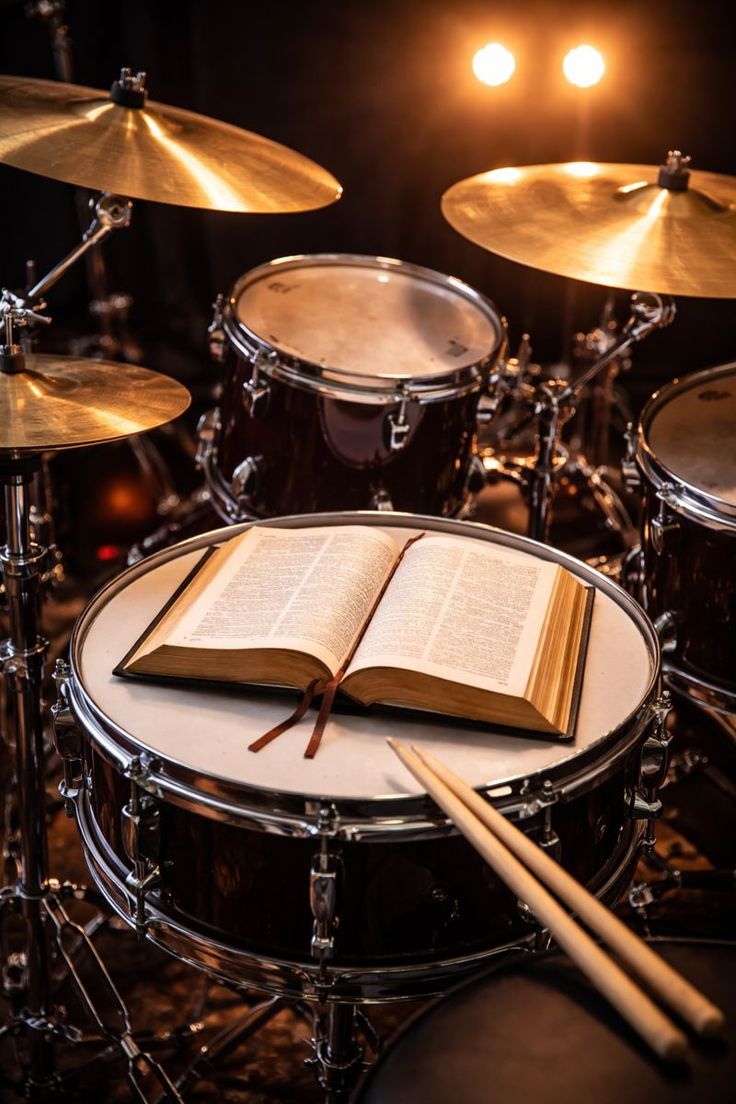
In the context of worship, the battle between the flesh and the spirit is not merely a theological concept; it is a practical, moment-by-moment conflict of focus. The “flesh” represents our natural, sensory-driven tendencies—the part of us that is easily distracted by the temperature of the room, the quality of the sound, or the self-conscious awareness of how we appear to others. Conversely, the “spirit” is the seat of our deepest intent, seeking a connection that transcends the physical environment. Recognizing this divergence is the first step toward professional spiritual maturity, as it acknowledges that true devotion often requires an intentional pivot away from the immediate feedback of our senses.
The Performance Trap
One of the primary battlegrounds for the flesh is the allure of performance. For those on the platform, the temptation is to prioritize technical perfection and stage presence over genuine vulnerability. For those in the pews, the flesh often seeks an “experience” that mirrors the high-energy consumption of secular entertainment. When worship is governed by the flesh, it becomes transactional—we give our attention in exchange for an emotional “high.” To allow the spirit to lead is to reject this transactional model, moving beyond the desire for applause or personal stimulation and toward a selfless expression of service and surrender.
The Architecture of Distraction
Modern worship environments, while often beautiful, can inadvertently provide “fuel” for the fleshly mind. High-production values, while capable of inspiring awe, can also become an architecture of distraction where the medium overshadows the message. The battle here is one of discipline; it involves the “silent sermon” of training the mind to use the sensory elements as a launching pad rather than a destination. By intentionally anchoring the senses in the service of the spirit, the worshiper can transform potential distractions into tools for deeper engagement, ensuring that the technology serves the theology rather than competing with it.
The Role of Sacrifice and Will
The spirit’s victory over the flesh is rarely a matter of emotional impulse; it is a product of the will. In the Old Testament, worship was synonymous with sacrifice—an act that was inherently costly and often inconvenient for the flesh. Today, that sacrifice is often “the sacrifice of praise”—choosing to engage in devotion even when we feel fatigued, anxious, or uninspired. This exercise of the will is what strengthens the spirit, as it demonstrates that our commitment is rooted in unchanging principles rather than fluctuating feelings. This discipline builds a resilient character that remains consistent regardless of external circumstances.
Harmonizing the Dual Nature
Ultimately, the goal is not to annihilate the flesh, but to bring it into alignment with the spirit. Our physical bodies and sensory capacities are the vessels through which we express our spiritual intent. When the flesh is disciplined and the spirit is empowered, worship becomes a holistic, “living sacrifice” where the body’s actions and the heart’s desires are in harmony. This alignment produces a sense of internal peace and professional poise that radiates into every other area of life. By winning the battle within the sanctuary of the heart, we are better equipped to lead and serve with integrity in the world.