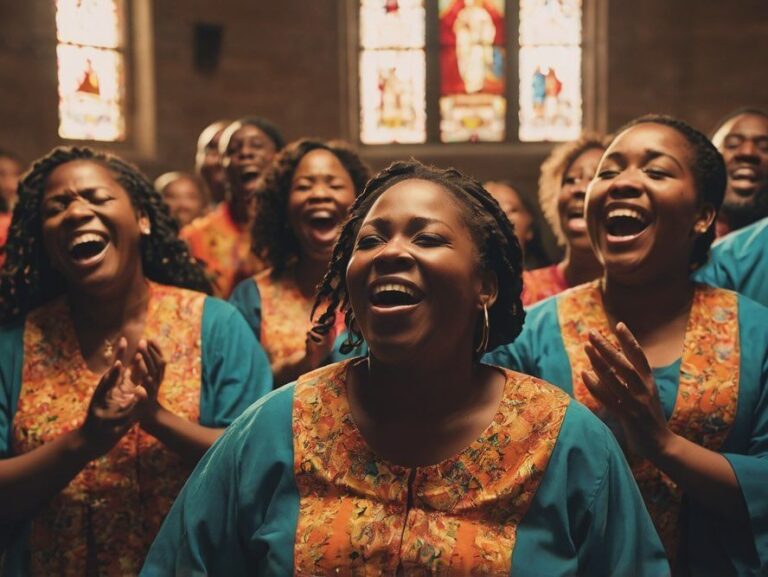
Spiritual desertion is a common, yet often hushed, experience in the life of a believer. We are frequently conditioned to equate “good” worship with a high-energy atmosphere, swelling music, or a tangible emotional “rush.” However, there inevitably comes a season where the songs feel hollow, the prayers hit the ceiling, and the once-vibrant connection to the divine feels like a fading signal. This dryness is rarely a sign of failure; rather, it is often a profound invitation to move beyond the superficial and into a more resilient, contemplative faith.
The discomfort of a “silent” God usually stems from our reliance on emotional scaffolding. When the sensory stimuli of worship are stripped away, we are forced to confront the reality of our devotion without the aid of a mood-enhancing environment. This spiritual drought serves a clinical purpose: it purifies our intentions. We begin to learn whether we are seeking the “Giver” or merely the “gift” of a good feeling. In the stillness, the absence of noise creates the necessary space for a deeper, more intellectual and volitional form of love to take root.
Finding God in the silence requires a shift in perspective—from viewing silence as an absence to seeing it as a presence of a different kind. Just as a long-married couple can sit in a room together for hours without speaking, yet remain deeply connected, the “quiet” seasons of faith offer a unique intimacy. It is in these moments that we practice the discipline of “abiding.” By showing up to the quiet, we signal that our commitment is not contingent on a spiritual high, but on a grounded, steady relationship.
Practically, navigating these seasons involves embracing the liturgical and the mundane. When spontaneous prayer fails, the ancient, recited prayers of those who came before us can act as a bridge. Engaging with the physical world—walking in nature, practicing mindfulness, or serving others—becomes a form of “body prayer” that bypasses the emotional blockages of the mind. We find that God is not just in the whirlwind of the sanctuary, but in the steady rhythm of a life lived with integrity and quiet expectation.
Ultimately, the goal of a dry season is not to find a way back to the “fire,” but to develop the eyes to see the “coals” that burn steadily beneath the surface. Silence is not a void; it is a sacred canopy. When we stop trying to manufacture an experience and simply learn to be, we discover that God was never missing. He was simply waiting for us to grow quiet enough to notice Him in the stillness.