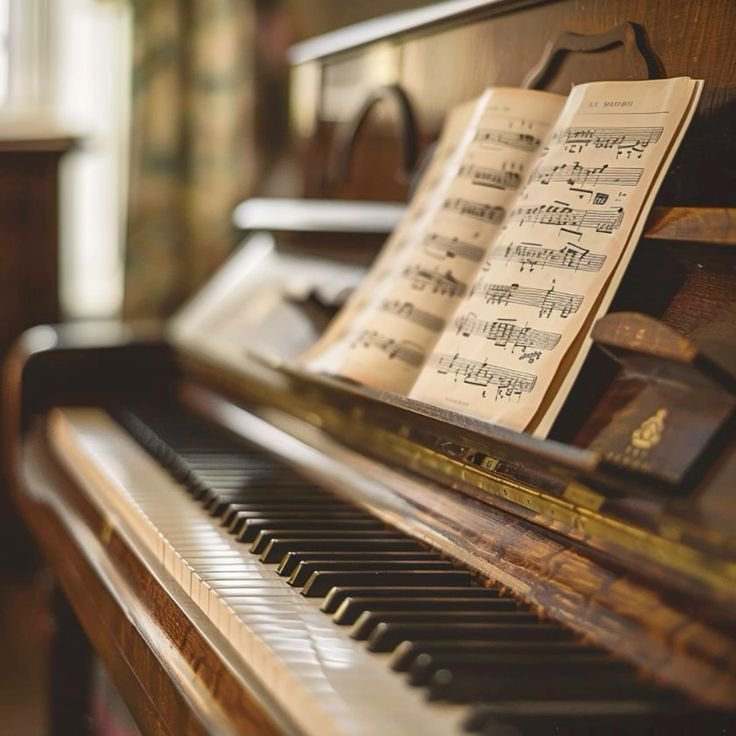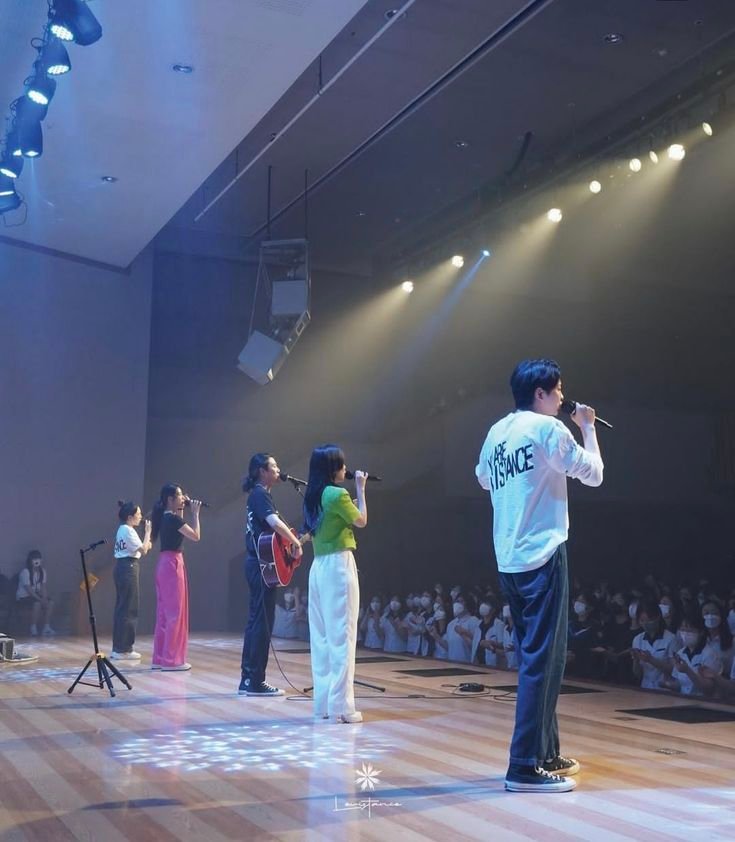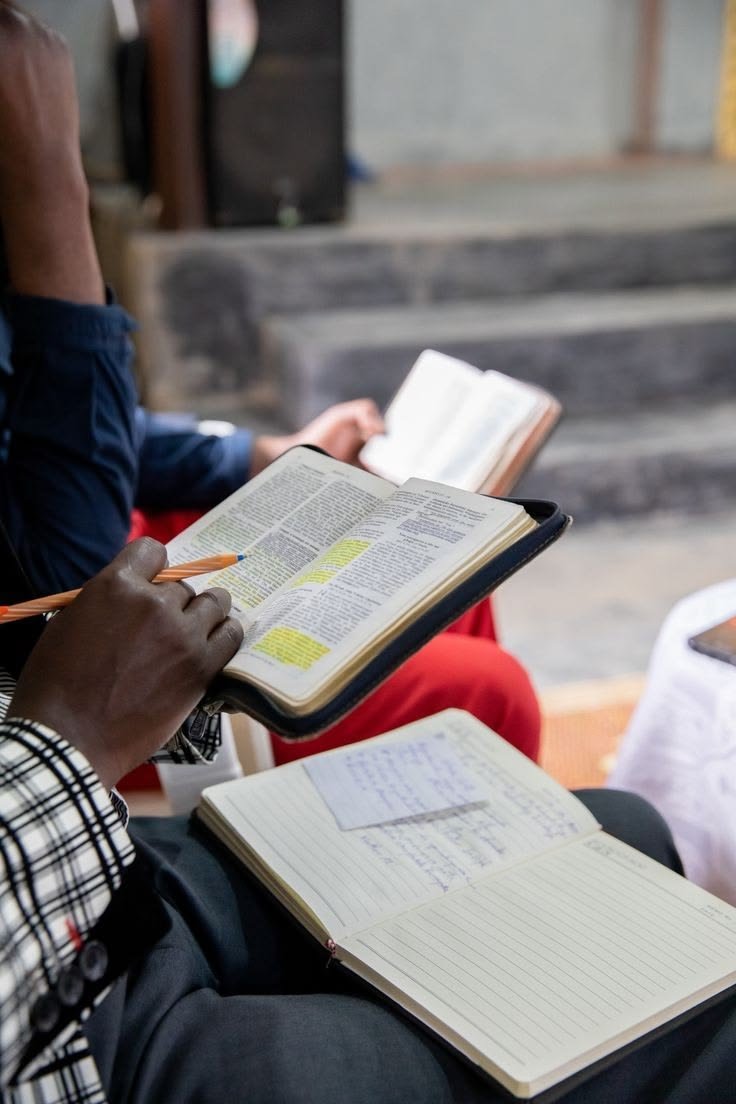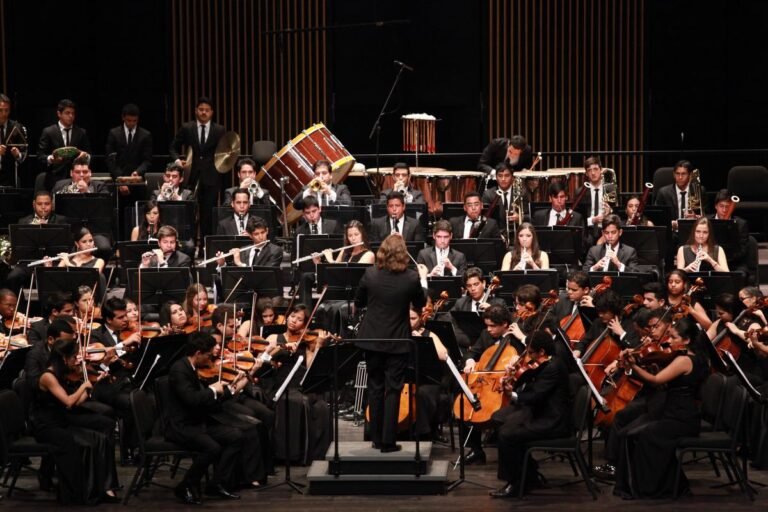
For over a century, the primary medium of congregational music was the traditional hymn—a structured, multi-stanza composition built on poetic meter and deep theological reflection. In recent decades, however, modern Christian worship has undergone a visible shift toward short, repetitive praise choruses driven by popular music arrangements. This evolution has led many observers to ask whether the ancient art of hymnwriting is slowly dying out, replaced by simplified songs designed for immediate emotional impact. While the style of church music has certainly changed, a closer look reveals that the tradition of hymnody has not disappeared; rather, it is undergoing a powerful, modern transformation.
The Modern Revival of Classic Meter
Far from losing the tradition, a vibrant new generation of writers is actively reviving the classical hymn structure. Contemporary creators like Keith Getty, Stuart Townend, and collectives like CityAlight are intentionally writing songs with distinct verses, clear poetic meter, and rich narrative arcs. Masterpieces such as “In Christ Alone” and “Yet Not I But Through Christ in Me” follow the exact structural blueprint of eighteenth-century hymnody while incorporating fresh, accessible melodies. These modern additions prove that younger congregations still crave songs that carry structural depth, demonstrating that the appetite for timeless form remains as strong as ever.
Why Deep Theology Matters to Younger Generations
The ongoing survival of the hymn is fueled by a growing desire among younger believers for substance over soundbites. Brief, repeating choruses excel at creating atmosphere, but traditional hymns excel at teaching theology. Because a four-stanza hymn contains significantly more text than a standard worship chorus, it allows writers to walk listeners through complete spiritual narratives—from human frailty to ultimate redemption. In an era marked by rapid cultural changes, emerging Christians are turning back to structured, truth-filled songs as an anchor for their faith, recognizing that lyrical depth provides long-term emotional and spiritual stability.
How Digital Tools Are Expanding the Craft
Technology has not destroyed hymnwriting; it has decentralized and accelerated it. In previous generations, a new hymn required years of formal denominational publishing to reach the pews. Today, independent writers can compose, record, and distribute original hymns globally within days. Digital platforms allow local songwriters to share metrical compositions directly with international audiences, fostering collaborative communities dedicated to writing modern sacred music. This democratization ensures that hymnwriting is no longer confined to institutional academies, allowing a far more diverse and active generation to contribute to the global church’s songbook.
The Future of Sacred Song
The tradition of hymnwriting is neither lost nor dying; it is simply adapting to serve a new era. As long as communities seek to express deep human conviction, gratitude, and hope, the structured elegance of the hymn will remain essential. Future generations will continue to write hymns because the format provides something unique: a durable, easily remembered language for group expression that outlasts fleeting musical trends. By blending rich historical forms with modern accessibility, today’s writers are ensuring that sacred hymnody remains a living, thriving tradition for decades to come.