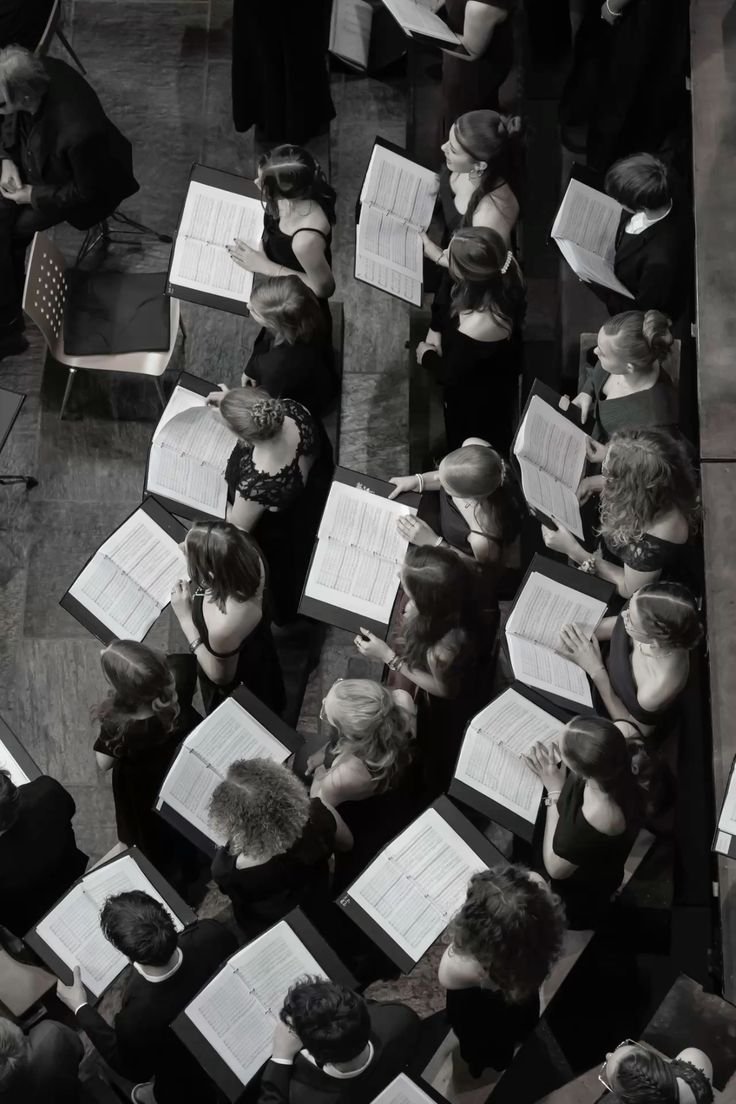
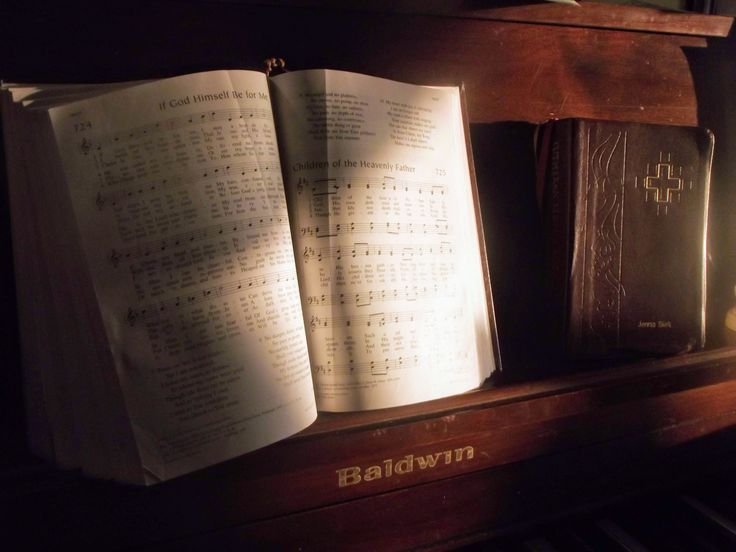
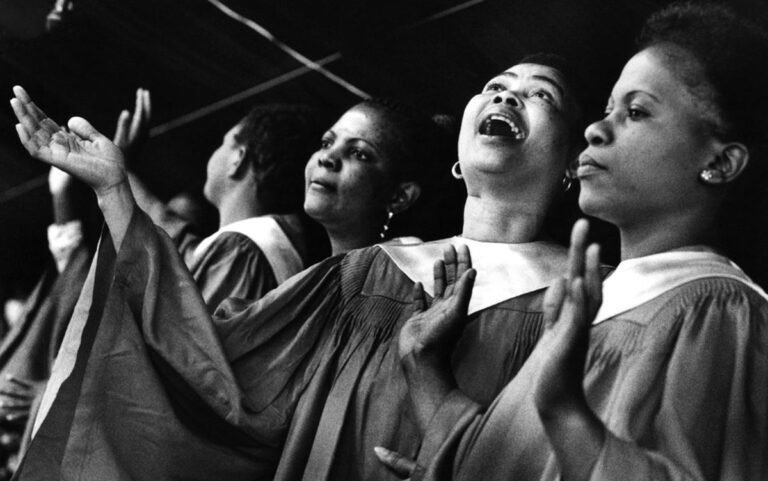
Over the last several decades, the global megachurch movement fundamentally reshaped modern church culture by replacing traditional hymnals with modern, band-driven worship music. Driven by a desire to reach younger generations and create welcoming environments for newcomers, church leaders traded organ-backed classical hymns for pop-infused praise songs projected on high-definition screens. This radical transition allowed large churches to scale rapidly, breaking down traditional barriers and making corporate gatherings feel current, energetic, and engaging. However, while this deliberate shift yielded undeniable cultural growth and numerical success, it also altered the fundamental nature of congregational worship in ways that changed the landscape forever.
The Strategic Gains of the Modern Approach
By stepping away from formal hymnals, megachurches gained immediate operational and outreach advantages. Modern worship music lowered the bar of entry for unchurched visitors who often found multi-verse hymns, complex sheet music, and unfamiliar archaic language intimidating or distant. The use of repetitive, chorus-driven song structures allowed large crowds to quickly memorize and join in the singing without needing to look down at a book. Furthermore, modern production values—complete with dynamic lighting, professional sound design, and full rhythm sections—created immersive, emotionally charged environments that fostered strong community engagement, high attendance, and rapid network expansion across campuses.
The Loss of Rich Theological Depth
The most significant trade-off in dropping traditional hymns was the sacrifice of historical theological depth in daily congregational practice. Classic hymns were essentially compact systematic theology lessons, carefully crafted with complete poetic narratives, foundational doctrines, and comprehensive storylines covering grief, repentance, hope, and eternity. Modern praise choruses, while emotionally resonant, tend to focus heavily on immediate personal feelings and direct individual experiences. By prioritizing simple, highly digestible lyrics over rich doctrinal storytelling, megachurches inadvertently reduced the educational role of singing, leaving congregations with a narrower, less grounded musical vocabulary for navigating life’s complex trials.
The Erasure of Intergenerational Continuity
Another quiet casualty of abandoning the hymnal was the loss of intergenerational musical continuity within the local church. Hymns served as a shared cultural bridge connecting young children, parents, and elderly members through identical melodies passed down across centuries. When megachurches systematically replaced historic songs with fast-rotating contemporary playlists, they created a distinct generational divide in worship preferences. Older generations lost their familiar spiritual language, while younger attendees were cut off from the global historical church’s vast inheritance of song. This shift eroded the rare, unifying experience of diverse age groups singing the exact same centuries-old declarations side by side.
Balancing Growth with Historical Roots
The evolution of the megachurch movement demonstrates both the power of cultural adaptability and the hidden costs of total disruption. While modern worship techniques succeeded in attracting vast audiences and modernizing religious expression, the permanent loss of hymnals left a noticeable void in doctrinal depth and historical roots. For church leadership and cultural analysts evaluating worship strategy today, the clear recommendation is not to reject modernity, but to foster an intentional balance. Blending the accessibility and passion of contemporary music with the timeless depth and rich heritage of classic hymns creates a durable, resilient worship environment equipped to serve future generations.