Throughout history, spiritual revivals have rarely been fueled by speeches alone; they have been carried on the wings of song. Hymns serve as the “soundtrack of transformation,” providing a communal language for the profound emotional and spiritual shifts that characterize an awakening. While a sermon may target the intellect, a hymn bypasses cognitive barriers to touch the heart, making the message of revival both experiential and participatory. In every major awakening—from the Reformation to the Great Awakenings of the 18th and 19th centuries—the introduction of new, vibrant music has been the primary vehicle for spreading the movement’s fire across geographic and social boundaries.
Democracy in Melody
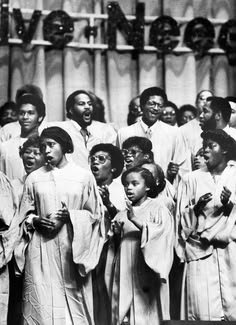
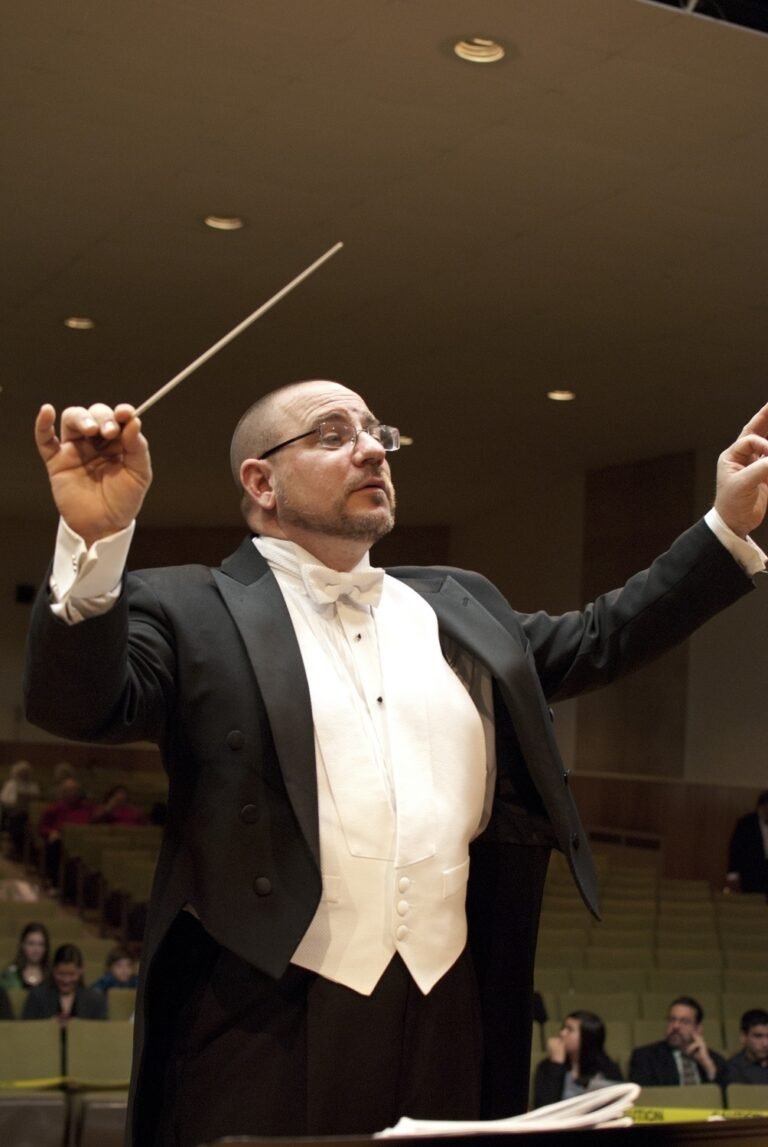
One of the most potent roles hymns play in revivals is the democratization of theology. Before the First Great Awakening, congregational singing was often formal, restricted, and elite. Revival hymns, however, utilized familiar folk tunes and repetitive structures that allowed the uneducated and the marginalized to engage fully in worship. By moving the “performance” from a specialized choir to the entire assembly, hymns broke down ecclesiastical hierarchies. This shift empowered every individual to confess their faith publicly through song, creating a sense of ownership and personal agency that is essential for a grassroots spiritual movement to take root.
Mnemonic Evangelism
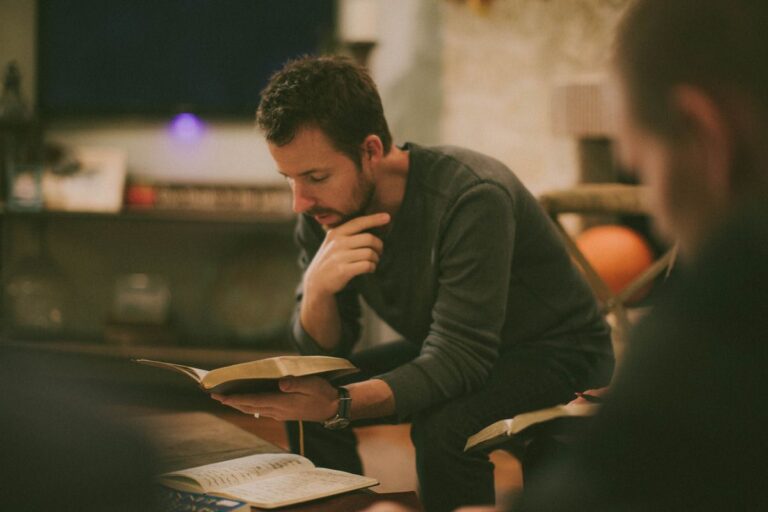
Hymns function as a highly efficient form of “mnemonic evangelism.” During periods of awakening, the goal is often to spread a specific message quickly to a large population. Because music is a natural memory aid, revival-goers would leave meetings with the movement’s core doctrines literally ringing in their ears. These songs traveled with workers into the fields, factories, and homes, ensuring that the influence of a single meeting lasted far beyond the final benediction. In this way, hymns acted as a portable, self-replicating medium for doctrine, ensuring that the revival’s impact was as durable as it was widespread.
Emotional Unity and Collective Identity
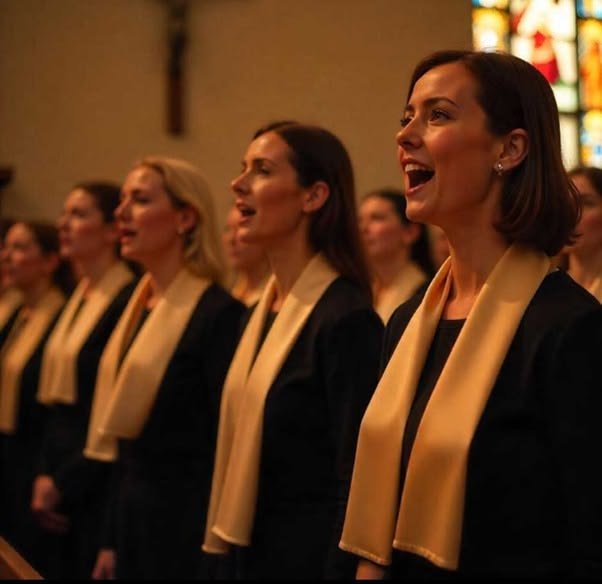
Revivals are defined by a move from individual isolation to collective fervor. Hymns are the primary tool for forging this unity. When hundreds or thousands of people sing the same lyrics in harmony, the physical act of synchronized breathing and vocalization creates a powerful sense of social cohesion. This “collective effervescence” helps to dissolve social tensions and forge a new identity centered on shared values. The emotional surge provided by a powerful hymn can turn a gathering of strangers into a unified force, providing the social momentum necessary to sustain a movement through periods of opposition or fatigue.
A Lasting Liturgical Legacy
The true mark of a revival’s success is its longevity, and hymns are the vessels that carry the revival’s spirit into future generations. Long after the charismatic leaders of an awakening have passed, their hymns remain in the official liturgy of the church, acting as “embers” that can reignite fervor in later years. These songs preserve the zeal, the convictions, and the specific spiritual insights of the revival era in a format that remains accessible and fresh. By anchoring the fleeting emotions of an awakening in the permanence of a hymn, a movement ensures that its contribution to the spiritual landscape becomes a lasting recommendation for the ages.