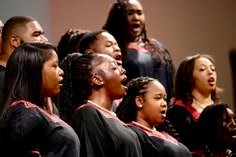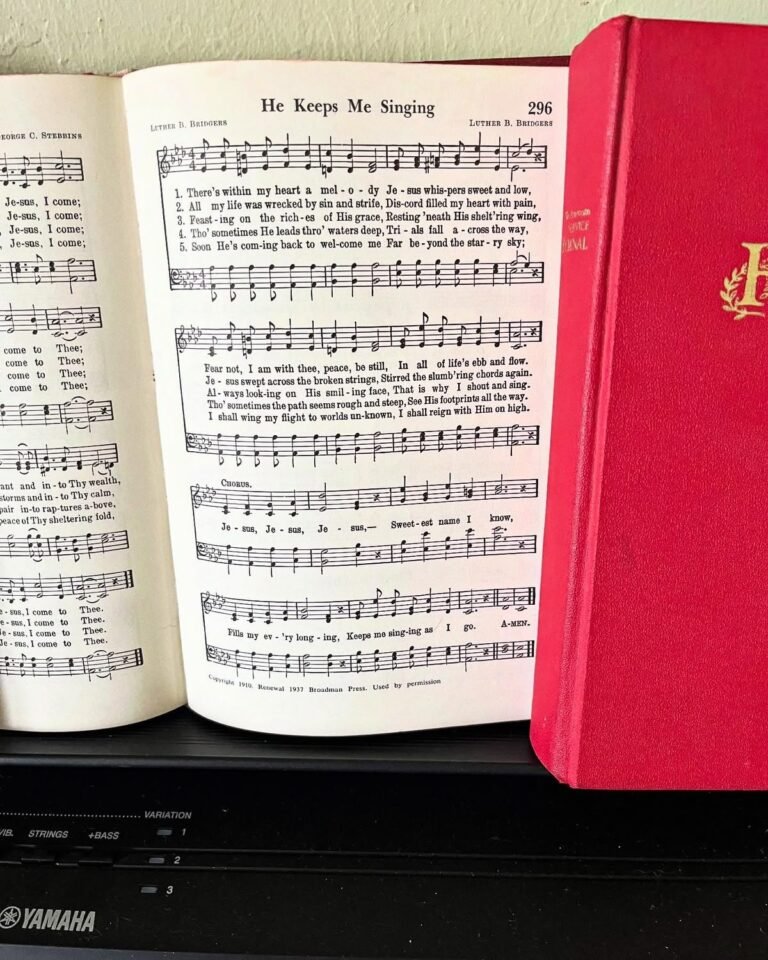
Long before written history, systematic theology, or formal religious institutions, human beings discovered that speech alone was insufficient to express their deepest longings toward the transcendent. Hymns emerged as one of the very first bridges between human experience and the unseen divine. Unlike standard spoken language, which primary serves logical communication and survival, singing engages both the mind and the body, turning raw emotion into structured sound. Across ancient civilizations—from early Mesopotamian chants to the Hebrew Psalms—hymns served as humanity’s foundational tool for asking questions, offering gratitude, and seeking protection from forces greater than themselves.
The Rhythm of Memory and Oral Transmission
In ancient times, before literacy became widespread, hymns were the primary vehicle for preserving cultural and spiritual truths across generations. Rhyme, meter, and melody created an internal structure that made complex ideas easy to remember and pass down by word of mouth. While spoken stories could fade or warp over time, the fixed rhythm of a song kept sacred wisdom intact. This musical memory allowed entire communities to participate in a shared, ongoing dialogue with God, ensuring that historical milestones, moral guides, and expressions of faith survived through centuries of war, displacement, and societal change.
Unifying Mind and Body in Sacred Dialogue
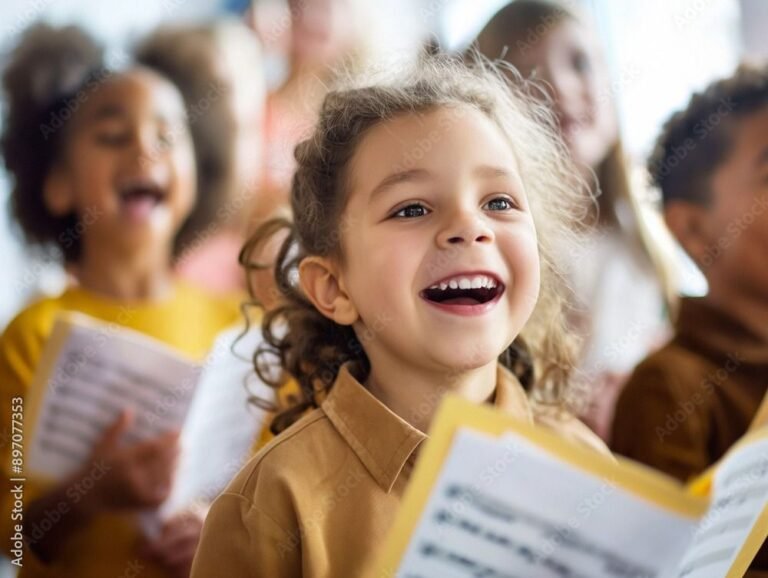
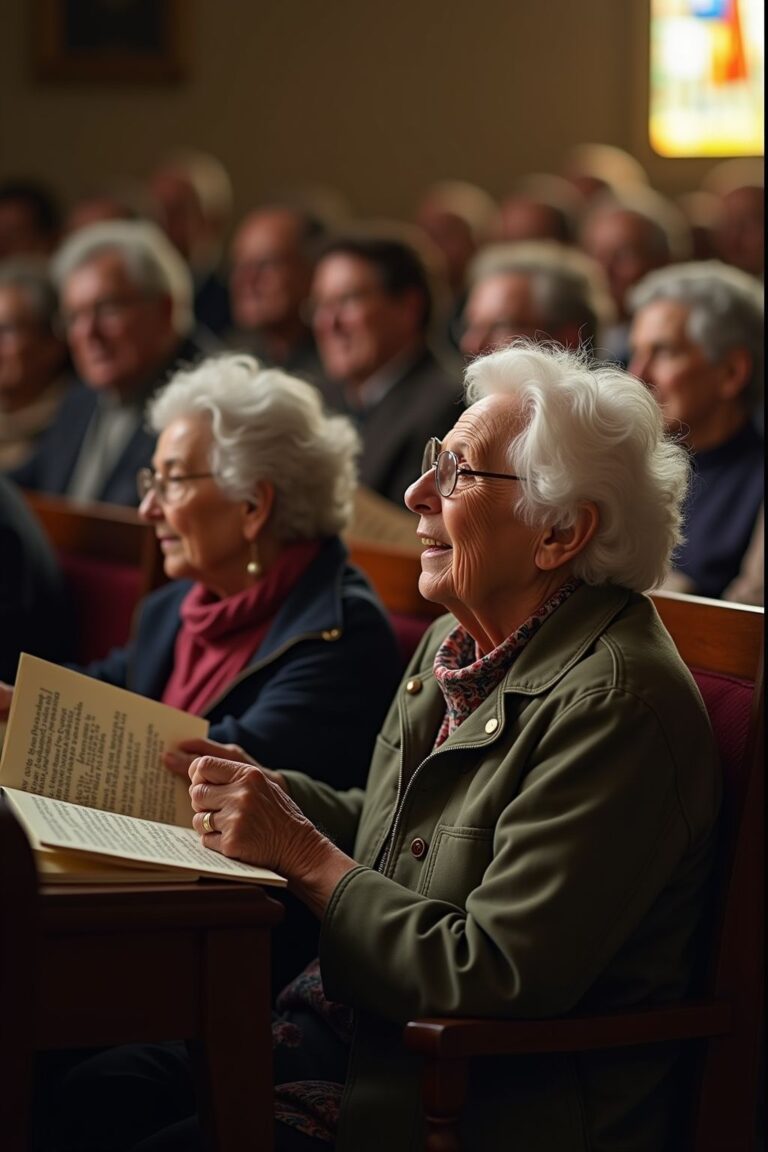
What sets sacred singing apart as a distinct form of conversation is its unique ability to involve the whole person. Spoken words carry intellectual meaning, but music activates the nervous system, breathes cadence into the lungs, and syncs the heartbeats of people gathered together in a room. When an individual or a community sings a hymn, they move beyond a passive request; they engage in an active, embodied dialogue. This physical dimension makes sacred music feel remarkably immediate and intimate, transforming abstract spiritual concepts into tangible, felt experiences that anchor the human spirit during times of distress or celebration.
Transcendence Beyond the Boundaries of Language
Human grief, wonder, and reverence often surpass what ordinary words can describe. Hymns function as a unique language because they blend poetic words with emotional tones, bridging the gap between what can be said and what can only be felt. When words fail during profound heartbreak or overwhelming joy, the underlying melody carries the weight of the message. This emotional depth allows hymns to communicate across cultural, geographical, and temporal divides, creating a universal human dialect that feels as relevant in a modern sanctuary as it did in an ancient temple.
A Lasting Recommendation for Inner Wholeness
Understanding hymns as an ancient dialogue offers valuable insight for modern life, where noise and constant distraction often crowd out reflection. Reconnecting with traditional forms of sacred song provides an accessible way to slow down, process emotion, and ground oneself in timeless truths. Whether approached through historical study, personal meditation, or communal worship, engaging with hymns remains one of the most effective, time-tested practices for fostering spiritual resilience and inner peace in an increasingly disconnected world.