The history of sacred art contains a troubling paradox: occasionally, the creator of a timeless, deeply moving piece eventually abandons the very convictions they once penned. When a famous songwriter or hymnographer later walks away from their faith, it leaves listeners and communities with an uncomfortable dilemma. Can a hymn still convey genuine, objective truth if the person who wrote it no longer believes those words? Addressing this question requires separating the personal journey of the author from the universal validity of the work itself, treating the lyrics as independent statements rather than mere autobiographical entries.
The Objective Nature of Truth
To understand why a hymn retains its value, it helps to examine how truth functions. In philosophy and literature, a statement is true because it aligns with reality, not because of the personal moral standing or shifting opinions of the person who spoke it. If a mathematician invents a brilliant geometric formula and later abandons mathematics, the formula remains demonstrably correct. Similarly, a hymn that articulates timeless principles—such as hope, forgiveness, integrity, or grace—remains true regardless of the author’s subsequent doubts. The power of the lyrics rests in their alignment with enduring human experiences and biblical foundations, not in the permanent perfection of the author.
The Concept of Borrowed Grace
From a psychological perspective, a great hymn often captures a moment of genuine clarity or insight that transcended the author’s personal limitations at the time of writing. Writers frequently describe moments where poetry or music felt “given” to them rather than manufactured. Even if an author later experiences severe doubt, personal trauma, or a complete shift in worldview, the historical artifact they produced in that moment of inspiration remains intact. The song becomes a vessel of “borrowed grace”—a record of a real, noble truth that exists independently of the author’s spiritual endurance.
Preserving the Communal Meaning
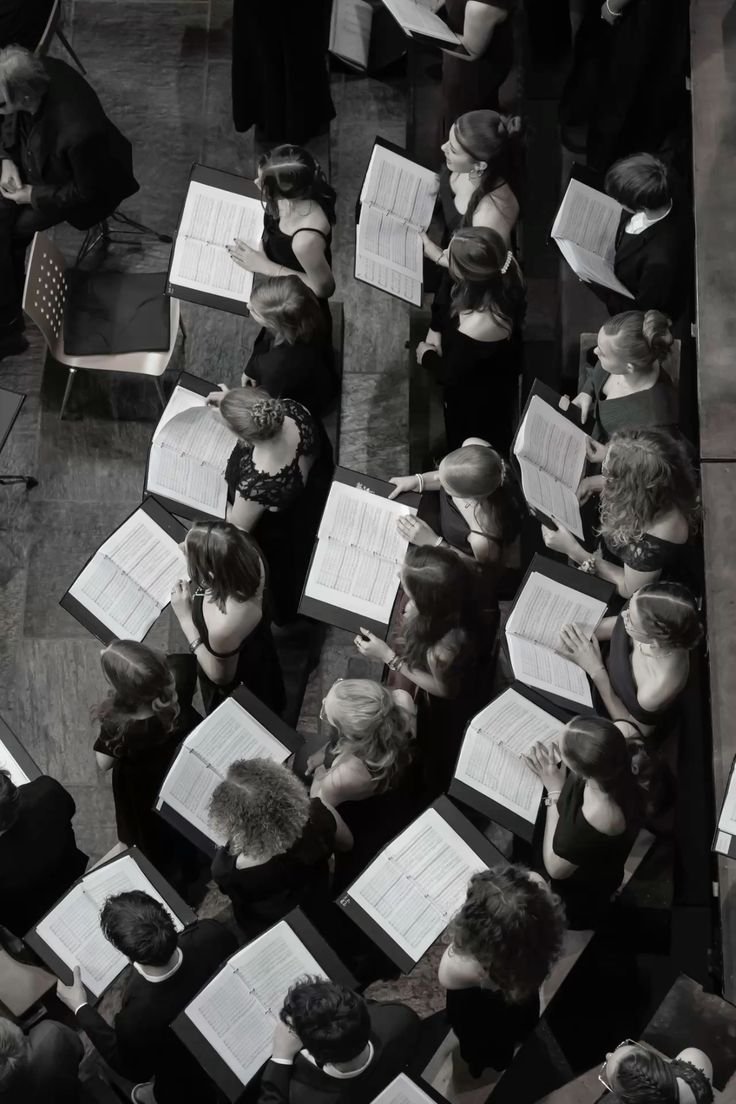
When a community gathers to sing a historic hymn, the meaning of the song is defined by the collective voice, not the isolated biography of its creator. Listeners and congregations attach their own personal griefs, triumphs, and convictions to the music. Once a piece enters the public sphere, it belongs to the culture that sings it. The emotional and spiritual utility of the song is sustained by the living community that continues to find hope within its verses. Denying the value of a helpful, truthful song simply because of the author’s ultimate trajectory deprives people of a genuine source of comfort.
A Recommended Perspective for Leaders
Ultimately, recognizing that a hymn can remain true despite its author’s later loss of faith offers a mature, balanced approach to art and leadership. Denying the reality of an author’s struggle is unnecessary, but discarding valuable art out of fear or disappointment is equally short-sighted. Program directors, educators, and leaders are encouraged to evaluate sacred music by its content, beauty, and practical impact rather than demanding perfection from fallible human creators. By focusing on the intrinsic truth of the message, we can continue to draw strength from enduring lyrics while maintaining a compassionate understanding of human complexity.