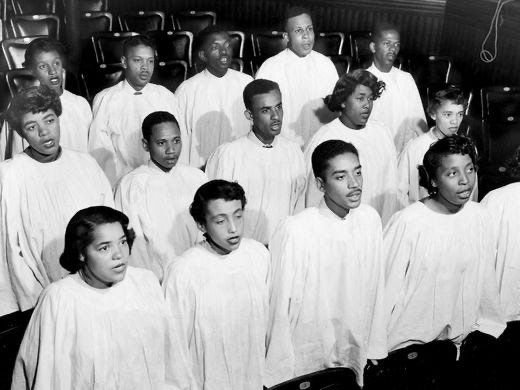
Modern sacred music tends to focus heavily on themes of personal comfort, unconditional love, and individual encouragement. While these concepts are essential, a casual look at historical hymnals reveals a striking contrast: older hymns routinely celebrated attributes of God that make contemporary audiences deeply uncomfortable. Writers from previous centuries did not shy away from themes of absolute sovereignty, uncompromising justice, intense holiness, and the reality of divine judgment. Rather than editing out these complex topics, traditional hymn writers viewed them as fundamental to a complete spiritual education, using poetic music to help congregations wrestle with the vastness of the Divine.
The Magnitude of Absolute Sovereignty
One of the most prominent “uncomfortable” concepts featured in historic hymns is God’s absolute, unyielding sovereignty—the idea that divine power controls all events, including human suffering and historical crises. In Isaac Watts’ famous piece, “High in the Heavens, Eternal God,” or William Cowper’s “God Moves in a Mysterious Way,” the lyrics explicitly state that trials and disasters are not random accidents, but part of a larger, purposeful design. Lyrics such as “The clouds ye so much dread are big with mercy” forced worshipers to confront a sobering truth: that peace is found not by demanding clear answers, but by surrendering control to an authority far beyond human understanding.
The Severity of Divine Justice and Wrath
Another theme largely absent from modern charts is the explicit celebration of divine justice and moral reckoning. Historic classics like Martin Luther’s “A Mighty Fortress Is Our God” or Charles Wesley’s “Lo! He Comes with Clouds Descending” spoke directly about holy wrath and ultimate judgment against injustice and human rebellion. These songs did not treat wrath as an emotional outburst, but as the necessary, logical response of a perfectly holy Creator against oppression and wrongdoing. By singing these intense stanzas together, historic communities were reminded that morality carries real consequences, grounding their daily choices in a deep sense of reverent accountability.
The Transcendent Horror of Absolute Holiness
Ancient and medieval hymns often highlighted the terrifying aspect of absolute divine holiness—a concept so vast that human beings cannot approach it without overwhelming awe. Hymns like “Let All Mortal Flesh Keep Silence,” based on a fifth-century liturgy, instruct the singer to stand with “fear and trembling” in total silence before a God whose presence is unapproachable. Rather than offering immediate emotional intimacy, these pieces intentionally created distance to emphasize divine transcendence. This deliberate discomfort served a practical purpose: it built a deep sense of humility, ensuring that grace was never taken for granted or treated as cheap.
A Recommended Return to Balanced Wisdom
For modern leaders, educators, and artists, re-examining these challenging historical hymns is highly recommended for building long-term emotional and intellectual resilience. A spiritual diet composed exclusively of comforting themes can leave individuals unprepared for the harsh realities of suffering, injustice, and personal failure. By reintroducing songs that celebrate the full, multi-faceted nature of the Divine—including its most intimidating attributes—communities gain a more durable framework for life. Embracing these uncomfortable truths through time-tested poetry ensures that our perspective remains grounded in a rich, historical wisdom that withstands life’s greatest storms.