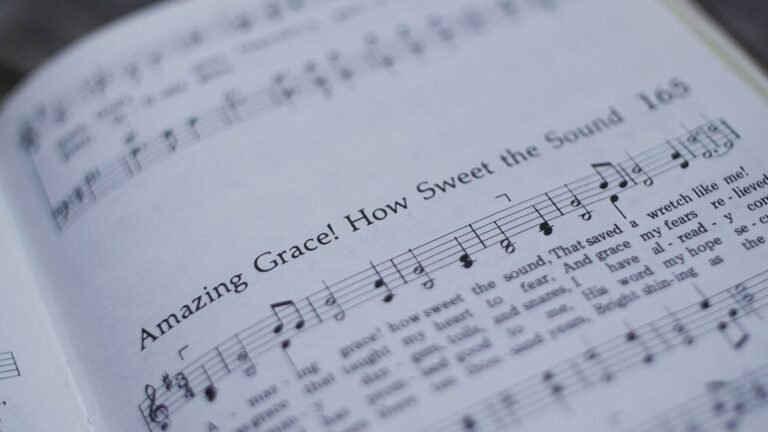
When singing or reading through classic Christian hymns, we frequently encounter archaic terms that have largely faded from modern daily speech. Among these, the word “sanctified” stands out as a lyrical cornerstone, appearing in centuries-old masterpieces like “Take My Life and Let It Be” or “Come, Thou Fount of Every Blessing.” For the modern reader or musician, this term can initially feel dense, overly formal, or deeply abstract. However, in the context of old hymns, “sanctified” is not a piece of cold academic jargon. It is a highly practical, vivid word used by historic writers to describe a profound internal transformation and a dedication of one’s entire life to a higher purpose.
Set Apart for a Special Purpose
To understand what “sanctified” means in simple terms, it helps to use a practical analogy. Imagine a piece of fine china or a special heirloom that is kept in a separate cabinet, saved exclusively for special family occasions rather than everyday use. At its most foundational level, the word sanctified comes from the Latin roots sanctus (holy) and facere (to make), which literally translates to “made holy” or “set apart for a special purpose.” When old hymns use this term, they are describing a person who has made a conscious decision to step away from selfish or harmful behaviors and designate their mind, talents, and time entirely for divine service.
A Continuous Process of Inner Cleansing
In the theological framework that shaped early hymn writers like Charles Wesley or Frances Ridley Havergal, sanctification was understood as both a single moment of dedication and a lifelong, continuous process. Old hymns often refer to this as a refining fire or a cleansing stream. This aspect of the word means to be progressively purified from negative habits, internal chaos, and moral compromises. When a hymn speaks of a “sanctified heart,” it is illustrating an ongoing journey where an individual’s character is steadily polished, helping them develop greater emotional resilience, integrity, and genuine empathy for others in their daily interactions.
From Abstract Theory to Active Living
What makes the use of “sanctified” in traditional music so powerful is how it translates an abstract theological theory into active, daily living. Hymn writers deliberately paired this heavy concept with very ordinary, physical things. For example, in her famous hymn, Havergal writes, “Take my hands, and let them move at the impulse of Thy love; take my feet, and let them be swift and beautiful for Thee.” This demonstrates that being sanctified is highly practical. It means your physical hands, your daily words, your professional intellect, and your financial resources are all influenced by a commitment to kindness, justice, and ethical excellence.
A Timeless Recommendation for Modern Character
Reflecting on the meaning of “sanctified” in old hymns is highly recommended for anyone looking to build a deeper, more intentional internal life in a distracted world. This ancient word serves as a healthy reminder that true spiritual and personal growth involves a clear sense of direction and boundaries. It challenges us to evaluate what we are dedicating our attention and energy toward each day. By understanding this term not as a rigid rule, but as an inspiring invitation to living with a clear, set-apart purpose, modern readers can find a durable foundation for both personal peace and professional integrity.