Written by Augustus Toplady in 1776, “Rock of Ages, Cleft for Me” is widely considered one of the most doctrinally dense hymns in Christian history. According to historical tradition, Toplady wrote the lyrics after seeking shelter within a massive limestone fissure during a fierce thunderstorm in England. This physical refuge became a powerful metaphor for an internal spiritual truth. In theology, a “cleft rock” represents security, rescue, and shelter from judgment. By framing the divine character as an unmovable, enduring rock that splits open to protect vulnerable human beings, the hymn establishes a vivid picture of absolute safety amid life’s overwhelming storms.
The Dual Stream of Grace
One of the most profound theological concepts hidden within the hymn is found in the second line: “Let the water and the blood, from Thy wounded side which flowed.” This line directly references the biblical account of the crucifixion, explaining a deep dual truth about how forgiveness works. In simple terms, Toplady is describing two distinct aspects of grace: justification and sanctification. The blood represents legal forgiveness—paying a debt to clear guilt—while the water represents ongoing internal purification. Together, they form what the lyric calls a “double cure,” meaning that faith provides a complete remedy that simultaneously cancels the penalty of wrongdoing and heals the individual’s character.
The Helplessness of Human Effort
The third stanza shifts focus to a crucial pillar of Reformation theology: the idea that human effort cannot earn spiritual reconciliation. The lines “Not the labors of my hands can fulfill Thy law’s demands” explain this concept using straightforward, legal language. Toplady argues that no amount of personal achievement, professional success, or moral striving is enough to satisfy a standard of absolute perfection. By stating “Could my zeal no respite know, could my tears forever flow, all for sin could not atone,” the hymn strips away the burden of performance-based security. It teaches that true peace is a gift to be received, not a trophy to be earned through endless work.
The Visual of Empty Hands
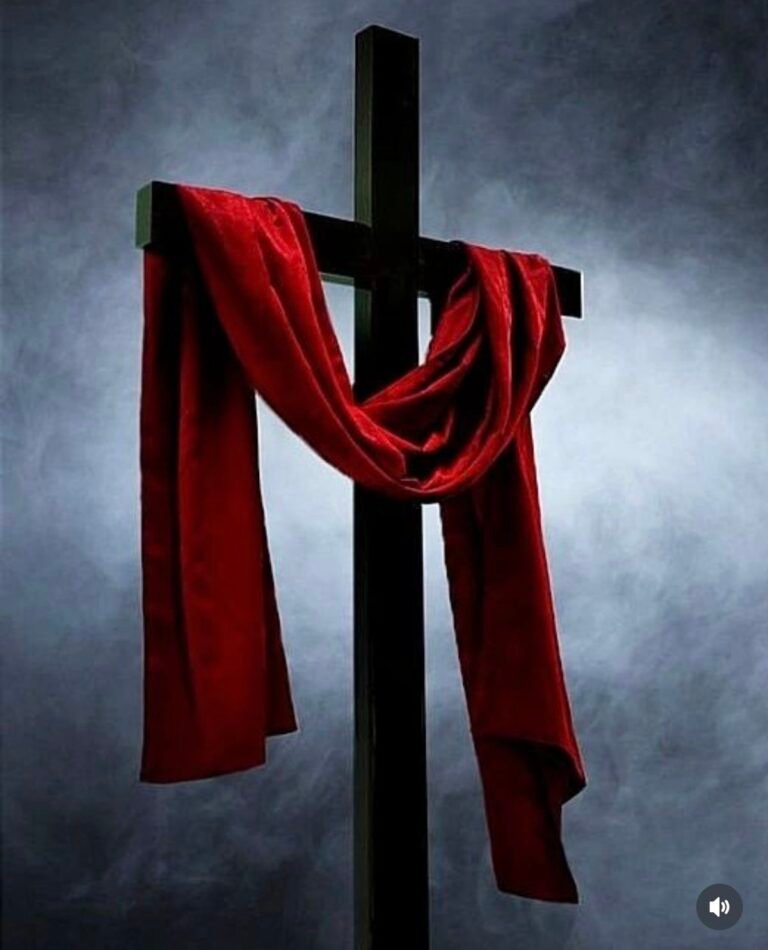
To drive home the concept of unearned grace, the hymn introduces a stark, unforgettable visual image: “Nothing in my hand I bring, simply to Thy cross I cling.” This line beautifully illustrates the concept of total reliance. In ancient times, a traveler approaching a king was expected to bring expensive gifts or tributes to win favor. Toplady reverses this expectation, suggesting that the only requirement for entering a state of divine favor is to arrive with completely empty hands. This profound simplicity removes all economic, social, or intellectual barriers, reassuring the listener that their value and security are entirely rooted in what has already been done for them, rather than what they can produce.
Facing the Final Transition
The ultimate value of a robust theology is tested by how it handles the reality of human mortality, which Toplady addresses directly in the final stanza. As the lyrics look ahead to the moment “when my eyestrings break in death” and the transition into eternity occurs, the hymn’s focus remains completely unchanged. The same “Rock of Ages” that provided shelter during the daily trials of life is trusted to provide stability in the final hour. This timeless perspective makes the hymn a highly recommended resource for building long-term emotional and mental resilience. It assures the modern reader that true security is not a fragile, temporary fix, but an unchanging reality that outlasts time itself.