Nestled along the western border of Great Britain, Wales holds a unique cultural distinction that rivals far larger global powers: it has produced more hymn writers, sacred poets, and congregational melodies per capita than any other nation in history. Affectionately known worldwide as Gwlad y Gân—”The Land of Song”—Wales turned sacred music from a simple liturgical practice into a defining national identity. Despite having a relatively small population throughout the eighteenth and nineteenth centuries, the country birthed thousands of original hymns, shaping spiritual traditions across Europe and the Americas and cementing its reputation as an unmatched powerhouse of sacred composition.
The Revival Movement That Sparked a Cultural Explosion
The remarkable explosion of Welsh hymnody was largely fueled by the religious revivals of the eighteenth and nineteenth centuries. Led by dynamic figures like William Williams of Pantycelyn—often called the “Isaac Watts of Wales”—these spiritual awakenings shifted worship out of formal cathedrals and into working-class communities. Williams alone penned over nine hundred hymns, capturing the deep emotions, struggles, and hopes of common workers. As spiritual fervour spread through agrarian villages and industrial valleys, writing hymns became a spontaneous form of personal expression, inspiring ordinary citizens from all walks of life to compose music for their local chapels.
Language and Poetic Tradition as a Catalyst
A major reason Wales achieved such an extraordinary concentration of hymn writers lies in its distinct language and rich poetic history. Welsh is an inherently melodic, rhythmic language, equipped with ancient traditions of poetic meter that naturally lend themselves to music. Through community gatherings and local cultural competitions known as the Eisteddfod, everyday people were trained in artful phrasing, rhyme, and storytelling from an early age. When this deep-seated poetic skill merged with religious devotion, it created an environment where virtually every town produced talented writers capable of translating profound theological ideas into poetic, highly memorable verse.
Creating World-Famous Melodies for the Working Class
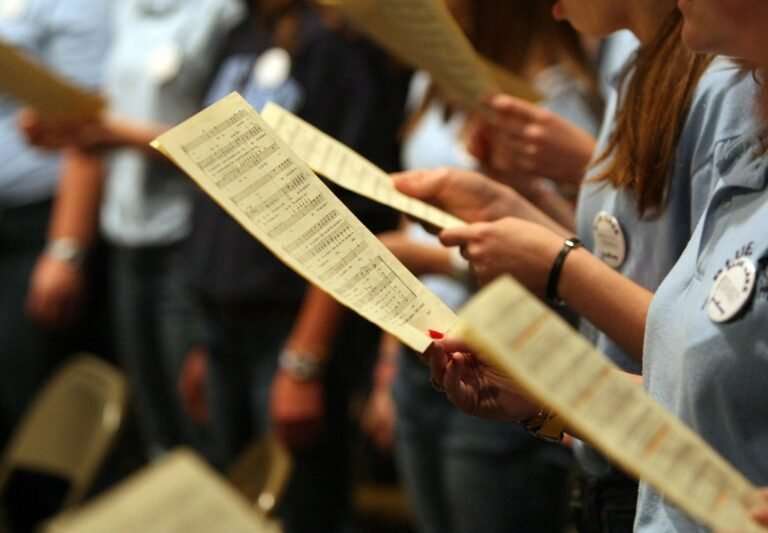
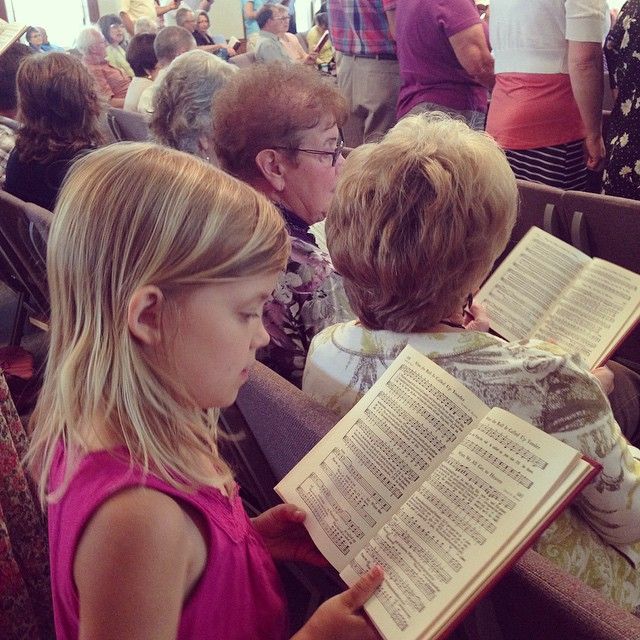
Welsh hymnwriters differed significantly from many of their European peers by prioritizing emotional connection over academic complexity. Living alongside miners, quarrymen, and farmers, these authors wrote sacred songs designed to be sung passionately in multi-part harmony by massive congregations. Iconic tunes such as “Cwm Rhondda” (famous for the lyrics Guide Me, O Thou Great Jehovah) and “Aberystwyth” were crafted to uplift spirits amidst the harsh realities of daily physical labor. By focusing on themes of pilgrimage, comfort, and deliverance, Welsh writers produced a body of work so universally moving that their melodies were swiftly adopted by hymnals across the globe.
A Lasting Recommendation for Cultural Legacy
The story of Wales demonstrates how a small society can exert an outsized global influence through creative dedication, shared passion, and community-driven art. Rather than relying on elite institutions or royal patronage, Welsh hymnody flourished because it belonged to the people, serving as a authentic mirror of their collective soul. For modern historians, musicians, and cultural analysts, studying the rich heritage of Wales offers a highly recommended blueprint for how music can preserve a nation’s language, foster deep community bonds, and leave a timeless mark on global history.