The history of national symbols is often filled with surprising cross-cultural connections. One of the most remarkable examples occurred in 1960, when Nigeria—the most populous country in Africa—officially adopted a national anthem written entirely by a British expatriate residing in the country. Titled “Nigeria, We Hail Thee,” the anthem’s lyrics were crafted by Lillian Jean Williams, an Englishwoman living in West Africa during the transition from British colonial rule to national independence. Set to music composed by another British artist, Frances Berda, this Western-style composition served as Nigeria’s official national anthem for nearly two decades before being replaced in 1978, only to be unexpectedly reinstated decades later.
The Context of Independence and a Global Contest
To understand how an English writer came to craft an African country’s primary anthem, one must look at the unique historical moment of the late 1950s. As Nigeria prepared to break free from British colonial rule, the federal government held an open international competition to select an anthem that would unite hundreds of diverse ethnic groups. The organizers sought a anthem that expressed universal values of unity, freedom, and national pride. Out of scores of global submissions, Williams’ lyrics won the top prize for their clear, resonant message of brotherhood despite regional differences. Her text was paired with Berda’s grand, church-hymn-style melody, creating a piece that mirrored traditional English sacred music in both structure and tone.
Architectural Similarities to Classic English Hymnody
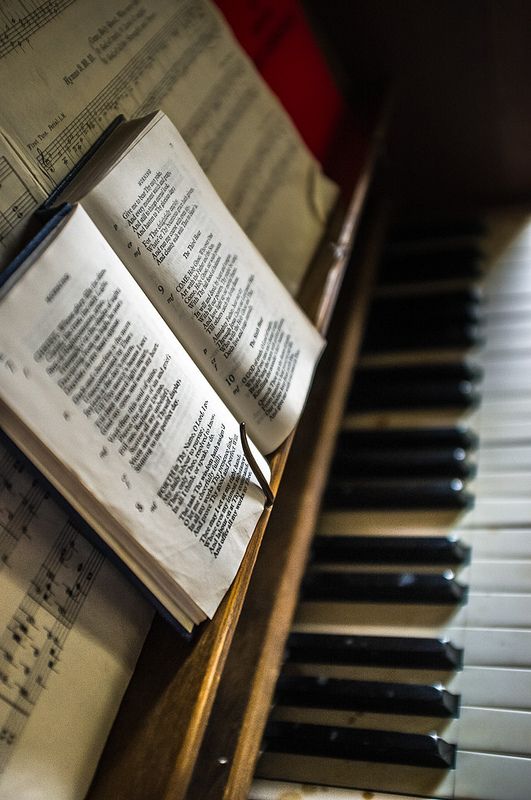
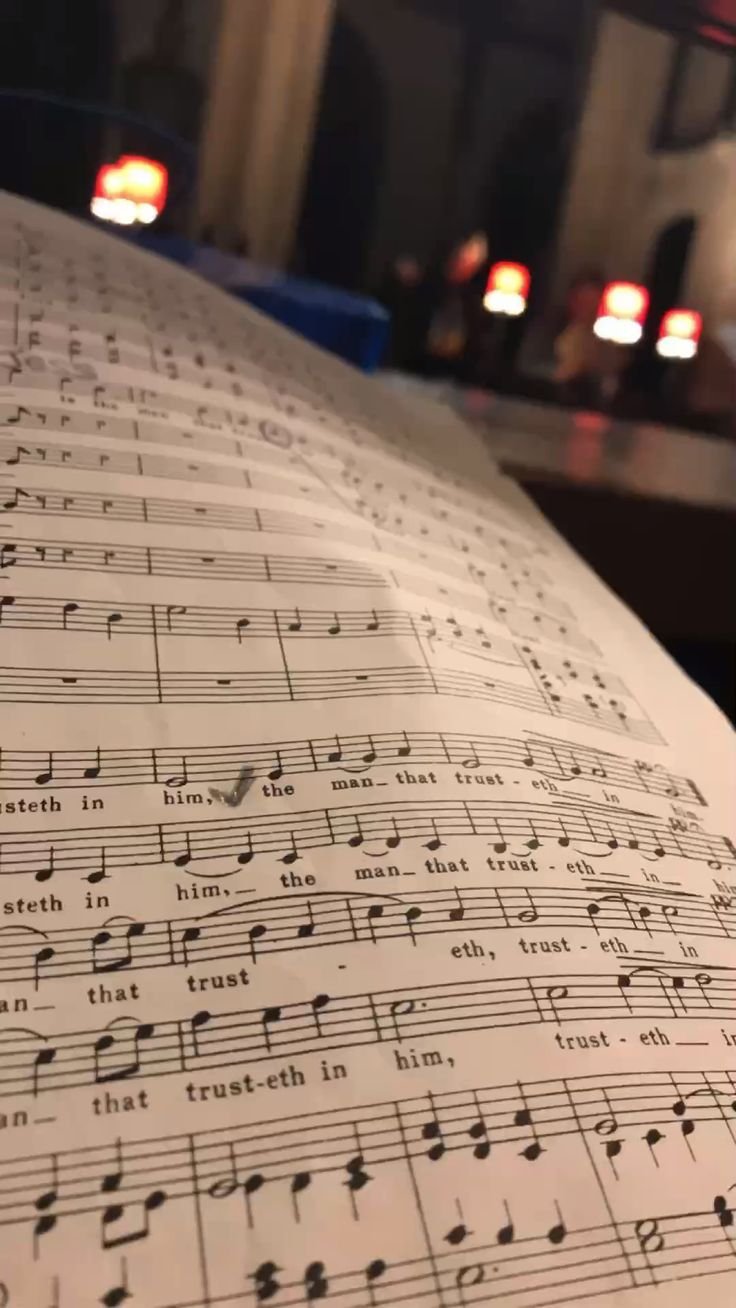
Though designed specifically as a civic anthem, “Nigeria, We Hail Thee” was written using the exact poetic meter, phrasing, and verse structure found in classic nineteenth-century English hymns. Williams utilized simple, elegant language structured around four-part vocal harmony, making it easy for large crowds, school children, and church choirs to perform without complex instruction. The lines focused on themes of collective responsibility, divine protection, and shared heritage—motifs directly borrowed from English hymnological tradition. By leaning on familiar hymn-like structures, the anthem achieved immediate recognition, allowing it to function as both a solemn state song and a deeply spiritual prayer for the nation’s future.
Controversy, Replacement, and Modern Revival
Despite its musical harmony, the anthem’s British authorship generated debate from its inception. Critics argued that a newly independent African nation should have an anthem authored and composed by indigenous citizens. Responding to these cultural concerns, the Nigerian military government retired the song in 1978 in favor of “Arise, O Compatriots,” which was written by a local team. However, in a historical turn of events in May 2024, the Nigerian government officially reinstated “Nigeria, We Hail Thee,” citing its nostalgic power and unifying message. This decision brought the British-written, hymn-style composition back into official state use, cementing its unique place in modern history.
The Lasting Legacy of Cross-Cultural Music
The saga of this anthem demonstrates the profound, often unexpected paths that hymnody and sacred music can take across world history. It shows that melodies and poetic structures developed in one culture can be adopted, adapted, and cherished by another to represent their own national identity. For researchers, historians, and music enthusiasts, the journey of “Nigeria, We Hail Thee” serves as a compelling case study. It highlights how clear language, simple musical framework, and universal themes can transcend geographical boundaries, shaping the civic and emotional life of millions of people far beyond the borders where the words were first penned.