Throughout history, humans have struggled to find adequate language for the afterlife, turning to metaphor and art to depict what lies beyond physical existence. While traditional descriptions of heaven often rely on physical imagery like golden streets or pearl gates, sacred music attempts a far more challenging task: describing what heaven might actually feel like. The most enduring hymns do not simply catalog visual scenery; they translate abstract concepts of peace, relief, and perfect harmony into tangible emotional experiences. By blending poetic lyrics with intentional musical structures, these timeless compositions offer listeners a psychological and spiritual preview of ultimate rest.
Sensory Relief and the Cessation of Weariness
At its core, the human longing for heaven is deeply tied to a desire for relief from physical, mental, and emotional pain. Hymns like “Jerusalem, My Happy Home” and “There Is a Land of Pure Delight” capture this sentiment by emphasizing the total absence of suffering. Rather than focusing on grand architecture, these songs describe the immediate sensation of a burden being lifted—a feeling akin to stepping into warmth after a freezing storm. The musical arrangements often feature sustained notes and gentle, resolving harmonies that mimic the physiological state of deep relaxation, giving the listener an actual physical sensation of peace and safety.
The Harmony of Universal Belonging
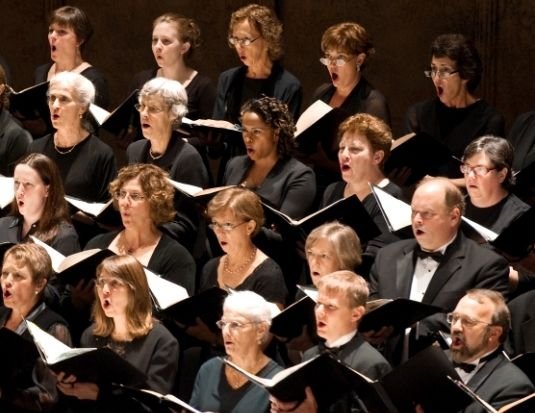
Another profound aspect of the heavenly experience depicted in classic hymnody is the feeling of absolute belonging and unified community. In songs such as “Holy, Holy, Holy” and “Sing with All the Saints in Glory,” the lyrics focus on vast, harmonious gatherings where every individual voice contributes to a single, beautiful sound. Musically, this is achieved through rich, multi-part choral arrangements where different vocal frequencies blend seamlessly together. This auditory structure evokes a powerful psychological response, satisfying the deep human need for connection and reminding the listener of what it feels like to be completely known, accepted, and integrated into a whole.
Endless Discovery and Eternal Time
A primary challenge in conceptualizing eternity is avoiding the idea of boredom or static repetition. Hymns that successfully convey the feel of heaven overcome this by describing a state of continuous joy and endless discovery. John Newton’s famous final stanza in “Amazing Grace”—referencing ten thousand years that feel like a single bright morning—captures a timeless reality where joy never fades and vitality never diminishes. The upward melodic trajectories in these hymns create an open, expansive atmosphere, leaving the listener with a sense of infinite horizon rather than a closed, finished space.
A Practical Tool for Comfort and Reflection
Analyzing the hymns that best capture the atmosphere of heaven reveals their practical value for modern mental and spiritual well-being. These compositions serve as more than just religious texts; they are carefully crafted tools for emotional regulation, grief support, and stress management. By focusing on simple, elevated themes of peace, unity, and rest, these hymns provide a dependable blueprint for quiet reflection. Incorporating these classic works into personal meditation or group settings remains a highly recommended approach for anyone seeking a structured, comforting reminder of hope in times of uncertainty.