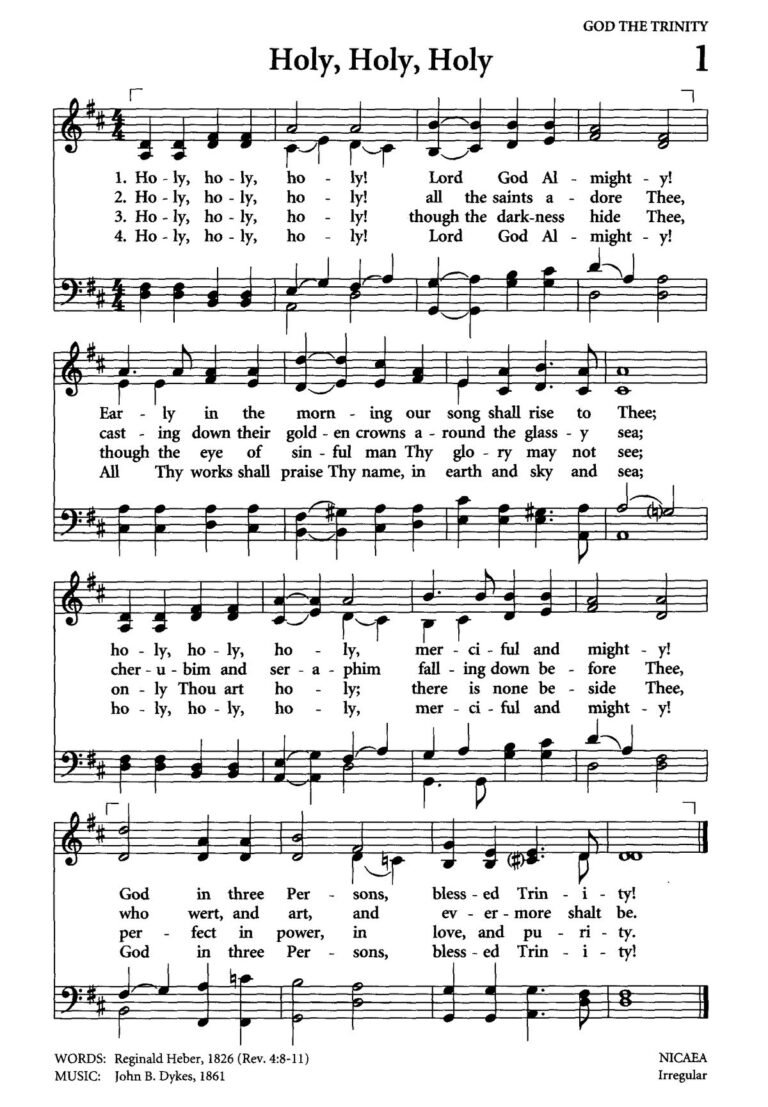
In the fast-paced flow of professional and personal life, the pressure to compromise on core values often arrives without warning. In these moments of decision, temptation relies on creating a sense of urgency and emotional fog. Hymns serve as a powerful “tactical anchor,” offering an immediate way to pause the internal noise and regain clarity. By deliberately introducing a structured, theological melody into a moment of pressure, an individual can interrupt the cognitive loop of desire. Singing or reciting these verses functions as an intentional reset, shifting the focus from immediate gratification to long-term integrity.
Cognitive Reframing Through Narrative
The effectiveness of hymns during periods of personal trial lies in their ability to reframe the immediate situation. Temptation narrow-focuses the mind on what is instantly accessible, but the lyrics of classic hymns expand the viewpoint to a larger, more durable narrative. Songs such as “Yield Not to Temptation” or “Lead Us, Heavenly Father, Lead Us” provide clear.
The Strategy of the “Displaced Focus”
A proven principle in behavioral change is that you cannot eliminate a thought simply by fighting it; you must replace it. Hymns operate on this principle of “displaced focus.” When a person engages with a hymn like “A Mighty Fortress Is Our God” or “Be Thou My Vision,” the intellect and the emotions are filled with grand, objective truths rather than subjective struggles. This strategic replacement starves the temptation of the mental attention it requires to grow.
Psychological and Emotional Stabilization
Underneath the spiritual discipline of singing lies a practical process of emotional regulation. This physical calm directly impacts decision-making. Hymns like “Dear Lord and Father…,” with its focus on “calmness” and “ordered lives,” act as a natural sedative for the erratic emotions that often accompany a moment of moral testing.
A Legacy of Shared Resilience
Ultimately, using hymns to navigate temptation connects an individual to a historical legacy of success. Many of these songs were written by individuals who were intimately acquainted with human weakness and systemic pressure, yet chose the path of endurance. Singing these traditional verses reminds the modern professional that their current struggle is neither unique nor insurmountable.