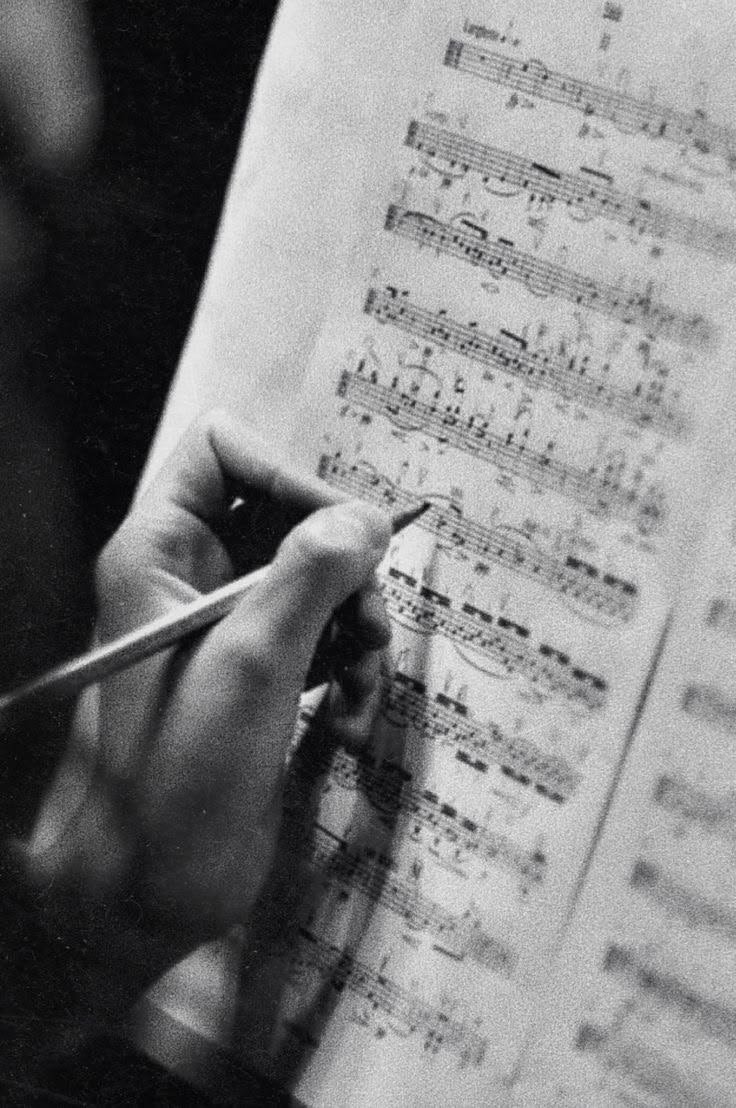
A Silent Treasure Preserved in Forgotten Archives
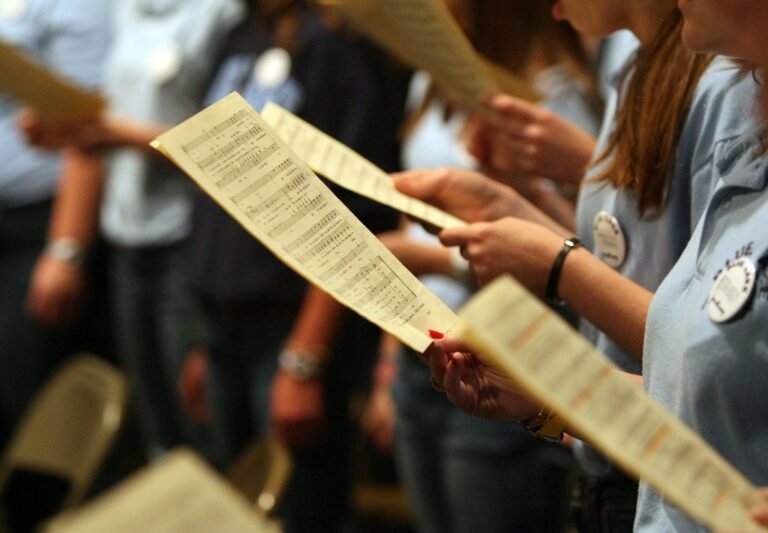
Throughout history, countless musical masterpieces have vanished into quiet obscurity, buried under centuries of dust in forgotten archives. One of the most remarkable turnarounds in sacred music history occurred when a lost eighteenth-century hymn was stumbled upon by researchers sifting through neglected library manuscripts. Written during a period of intense creative output but quickly misplaced after its author’s passing, the piece remained entirely unperformed for decades. It lay waiting in a remote institution’s collection, preserved only on fragile, hand-copied sheet music that narrow academic cataloging had overlooked.
The Drama of the Accidental Rediscovery
The turning point came when a musicologist researching unrelated historical manuscripts happened across a bound folder of uncataloged papers tucked away on a top shelf. Upon closer inspection, the researcher recognized a striking combination of deeply moving poetry and a breathtaking, melodic vocal arrangement. Realizing the significance of the find, scholars spent months verifying its authenticity, cross-referencing handwriting styles, and carefully transcribing the original notation into modern musical scores. What began as a routine afternoon of archival cataloging rapidly evolved into the rescue of an undeniable masterpiece.
From Archive Shelves to International Stages
Once authenticated, the hymn made its public debut through a modest choir recording intended primarily for educational distribution. However, the sheer emotional weight and timeless beauty of the melody struck an immediate chord with listeners. Radio broadcasts picked up the recording, and early digital sharing accelerated its spread across borders. Within months, prestigious vocal ensembles, cathedral choirs, and commercial recording artists were adding the piece to their standard repertoires, transforming a quiet academic recovery into an unexpected mainstream phenomenon.
Why the Rediscovered Melody Resonates Today
The global triumph of this rediscovered hymn lies in its effortless ability to bridge historical eras. Unlike many complex classical compositions that demand specialized musical training to appreciate, its melody is simple, uplifting, and instantly memorable. The lyrics speak to universal human experiences—hope, resilience, and comfort during trials—making the hymn accessible across diverse cultures, languages, and belief systems. Its survival and eventual rise demonstrate that authentic, heart-centered art possesses a timeless quality that never truly loses its power.
A Lasting Testament to the Value of Preservation
The journey of this revived hymn serves as a compelling reminder of why preserving historical literature and archives matters so deeply. Millions of listeners around the world might never have experienced this iconic piece had a single library manuscript been discarded or forgotten entirely. For modern creators, scholars, and everyday enthusiasts, its story highlights the profound beauty hidden within forgotten spaces and proves that extraordinary art can emerge from the shadows to inspire the world at any moment.