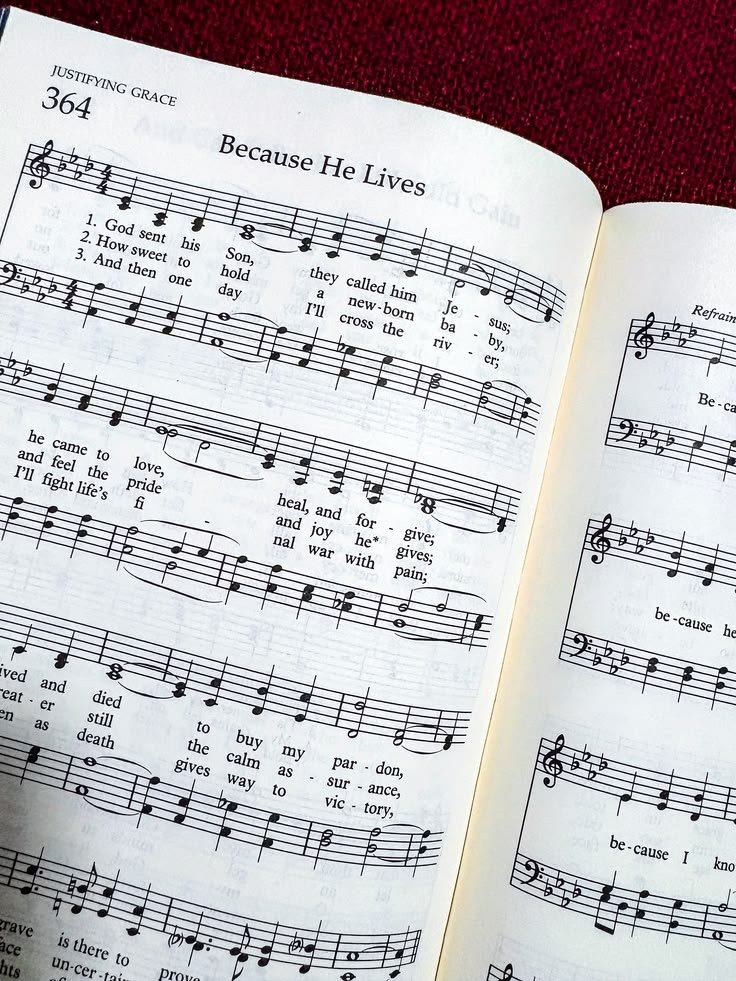
Every Sunday for an entire decade, a dedicated local church choir opened their weekly service with a vibrant, uplifting musical piece. The congregation stood in reverence, the organist played with enthusiasm, and the choir sang with polished harmony. To everyone in the pews, it was simply “the usual opening song”—a familiar tradition that signaled the start of worship. However, behind the beautiful performance lay an extraordinary truth that remained completely hidden for ten full years: the choir was regularly singing a hymn specifically written for solemn funeral services during joyous Sunday morning celebrations.
The Subtle Mix-Up That Passed Unchecked
The mistake originated from a simple, honest mix-up in the choir’s original sheet music binder. A decade prior, during a frantic search for a suitable opening piece, a former choir director misidentified the Latin title and theme of an obscure 19th-century hymn. Because the arrangement featured a bright, ascending melody in a major key, everyone assumed it was a hymn of praise and celebration. The lyrics, written in an older style of poetic phrasing, were sung with such confidence and energy that no one in the congregation took the time to closely parse the actual meaning of the words, which focused entirely on grief, mourning, and final farewells.
Why Nobody Questioned the Weekly Error
The key reason this mistake survived for ten years lies in the power of habit and familiar presentation. Human perception is heavily influenced by delivery; because the organist played the piece briskly and the choir sang with cheerful expressions, the listeners naturally interpreted the mood as joyful. Furthermore, churchgoers often experience familiar hymns as complete musical moments rather than analyzing every individual sentence. As long as the melody was pleasing and the rhythm felt appropriate for entering the sanctuary, neither the listeners nor the officiants had any reason to suspect that the text contradicted the occasion entirely.
The Moment of Discovery and Delightful Realization
The decade-long routine finally came to an end when a visiting guest director took over the loft for a special summer service. While reviewing the choir’s standard repertoire, the newcomer noticed the stark contrast between the joyful notes on the page and the mournful subject matter in the text. When the director gently pointed out that they had been singing a funeral dirge to welcome Sunday worshipers for a decade, the reaction was not shame, but lighthearted amazement. The choir and clergy realized that their shared routine had been built on a completely harmless, shared misunderstanding that brought people together anyway.
A Lasting Lesson in Perception and Community
This humorous musical blunder offers an insightful takeaway about communication, tradition, and human nature. It demonstrates how easily intent can be shaped by delivery, showing that tone, passion, and context often carry more weight than the literal text itself. While the choir eventually shifted the hymn to its proper, solemn setting, the story remains a warm reminder that perfection is not a requirement for genuine community connection. Sometimes, a tiny mistake wrapped in sincerity can create ten years of unity and a unforgettable story for generations to come.