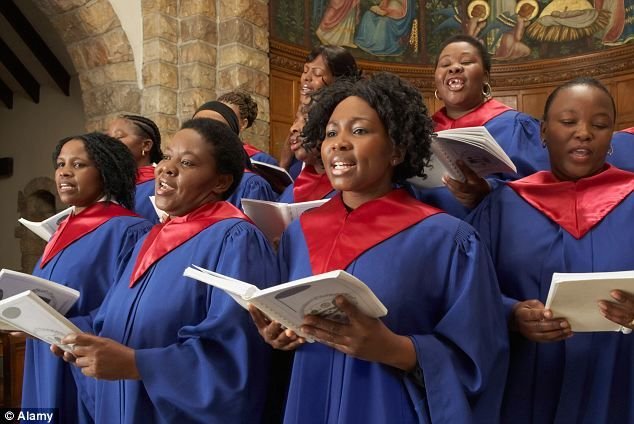
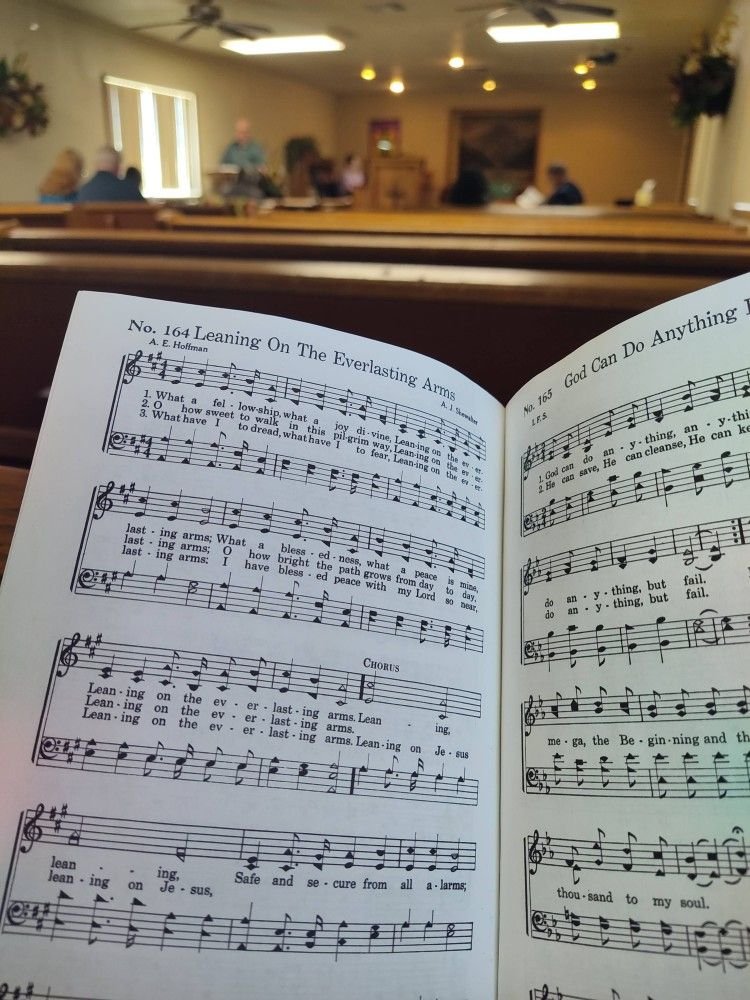
Transposing a hymn simply means shifting its pitch up or down so that it is written and played in a different key. For worship leaders, mastering this skill is a professional necessity. Many classic hymns were originally composed for pipe organs and trained choirs, featuring vocal ranges that soar too high for the average person in the pews. When a song stretches beyond the comfort zone of an untrained voice, people stop singing and become passive listeners. Transposing resolves this friction, ensuring that the music serves the congregation rather than forcing the congregation to strain for the notes.
Finding the Vocal “Sweet Spot”
To transpose effectively, you must first understand the vocal range of an average room, often referred to as the congregational “sweet spot.” For a mixed group of men and women, the ideal melody line should sit safely between the $A$ note below middle $C$ ($A_3$) and the $D$ note an octave above middle $C$ ($D_5$). If a hymn frequently hits high $E$ or $F$ notes, it will alienate a large portion of your singers. By examining the sheet music beforehand and identifying the highest and lowest notes, you can easily determine how many steps you need to lower the key to bring those peak moments back into a comfortable communal range.
The Capo and Number System Techniques
From a practical standpoint, instrumentalists have two simple, highly effective methods for transposing on the fly. For guitarists, utilizing a capo is the fastest mechanical shortcut; it allows you to play familiar, easy chord shapes while shifting the actual sound into a higher or more accessible vocal key. For keyboardists and full bands, utilizing the Nashville Number System is the professional standard. By replacing specific chord names (like G, C, and D) with numbers (like 1, 4, and 5) based on their scale position, musicians can seamlessly move a song into any new key without needing to re-read entirely new sheet music.
Managing the Instrumental Trade-Off
When lowering a key to accommodate singers, leaders must also consider the “trade-off” for the instruments. Shifting a song too low can sometimes make acoustic guitars sound muddy or place a piano accompaniment into a booming, bass-heavy register that lacks energy. The goal is to find a healthy compromise. For example, if a traditional hymn is written in the soaring key of B-flat major, transposing it down to G major or A major often retains a bright, resonant instrumental tone while instantly relieving the vocal tension for the men and women participating in the room.
Implementing the Change with Confidence
Integrating transposed keys into your regular routine is a highly recommended practice for building a vibrant, participatory culture. Start by evaluating your current song rotation and identifying which classics feel like a struggle for the room to sing. Make the necessary key adjustments during mid-week rehearsals so your musicians can adapt to the new fingerings and transitions ahead of time. By intentionally tailoring the pitch of your hymns to the natural design of the human voice, you clear away a massive physical barrier, transforming your services into inclusive, confident, and deeply engaging experiences for everyone involved.