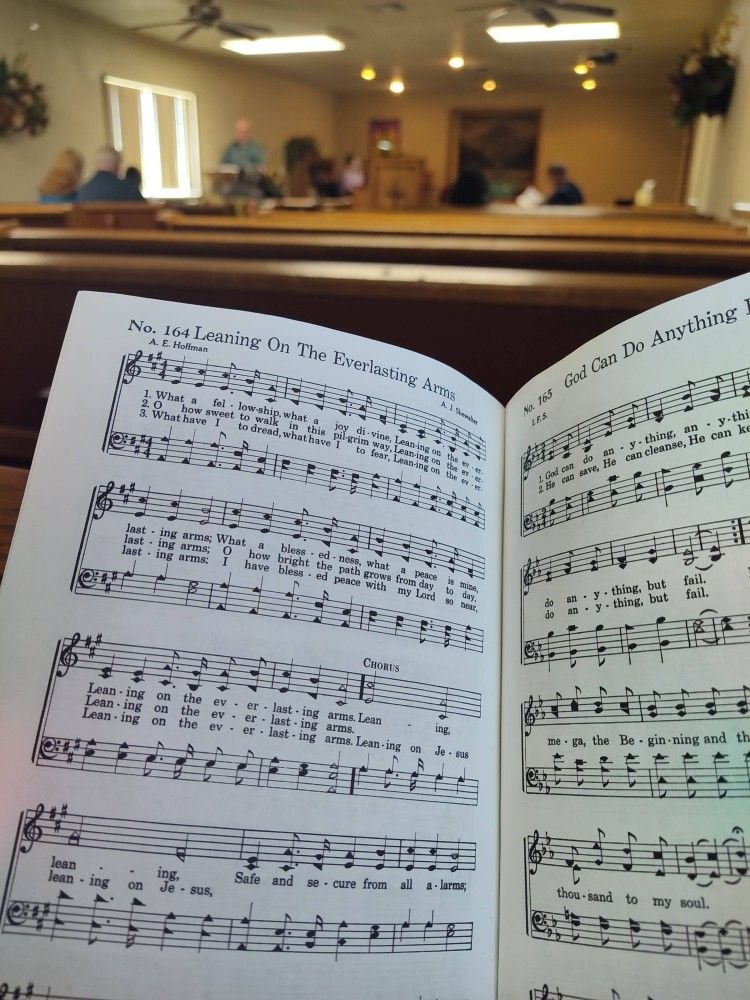
The intersection of music, religion, and mental well-being is a field of growing interest for both theologians and psychologists. A recurring question within modern faith communities is whether traditional hymns containing language of “worthlessness” or self-deprecation—such as referring to oneself as a “worm” or “vile”—can inadvertently reinforce a negative self-image. Words carry immense psychological weight, and when set to emotional melodies and repeated week after week, they can deeply influence a person’s subconscious. For individuals already battling low self-esteem or anxiety, lyrics that overemphasize human brokenness without an immediate pivot to hope can sometimes feel like a validation of their worst internal critiques.
Understanding Historical Context and “Worm Theology”
To analyze this topic properly, it is helpful to look at the history behind these intense expressions, often referred to by scholars as “worm theology.” When eighteenth-century writers like Isaac Watts penned lines like “Would He devote that sacred head for such a worm as I?” in the original text of “Alas! and Did My Savior Bleed,” they were using the extreme language of their era. Their primary goal was not to damage the reader’s self-worth, but to highlight a dramatic contrast. In their minds, making human capability look incredibly small was the most effective way to make the concept of unearned divine favor and love look incredibly large.
The Trap of Selective Internalization
The psychological risk arises when a modern singer practices selective internalization—meaning they process the verses about human limitation but miss the resolution of grace. From a cognitive standpoint, repeating phrases that highlight personal failure can trigger a low-level stress response if it is not balanced by a message of security. If a congregation sings deeply about their flaws but spends very little musical time celebrating their inherent value and potential, it can create an imbalanced emotional environment. This is especially true for younger generations who are already navigating high levels of societal pressure and are looking to faith for a sense of stability, not additional shame.
The Power of Semantic Reframing
Addressing this issue does not require rewriting history or discarding classic music; instead, it requires semantic reframing and clear explanation. Many modern worship leaders and publishing houses choose to practice “tactical updates” to older texts, changing words like “worm” to “one” to maintain the rhyme scheme while removing the linguistic sting. More importantly, the atmosphere changes when a leader takes thirty seconds to explain the context of a song before singing it. By reframing the lyric as an expression of profound gratitude rather than a literal evaluation of human value, the song shifts from an emotional weight into a source of relief.
A Balanced Blueprint for Healthy Reflection
Ultimately, hymns about human limitation do not inherently damage self-image if they are integrated into a healthy, well-rounded musical routine. A recommended professional blueprint involves balancing honest reflection with affirming truth. A service that features a sobering traditional hymn should also include songs that boldly reinforce a believer’s identity as chosen, valued, and loved. By creating this intentional balance, leaders can ensure that introspection leads to deep internal peace rather than emotional fatigue. This approach preserves the depth of historic music while protecting the mental and spiritual resilience of the community.