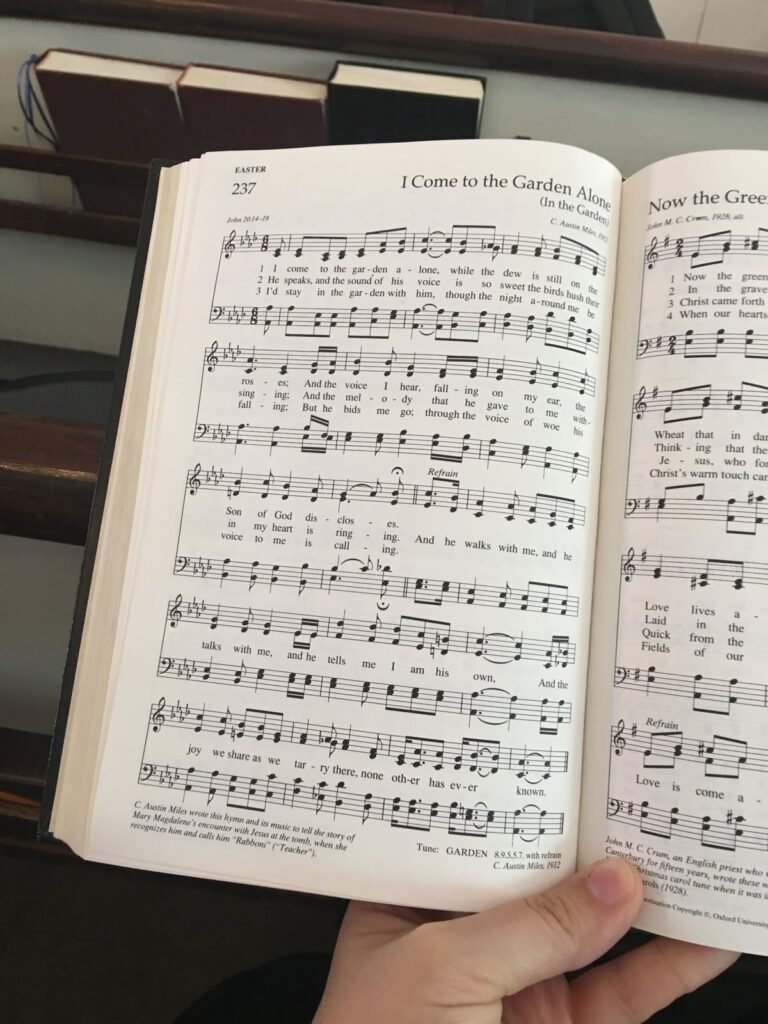
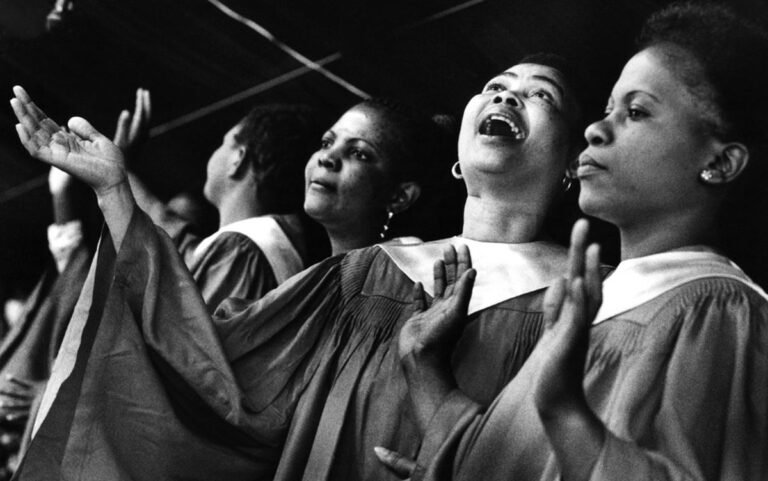
One of the greatest challenges in maintaining a consistent prayer life is simply running out of words. Hymns offer a practical solution to this problem by serving as a pre-written vocabulary for prayer. Because they were written by individuals who deeply understood human emotion and spiritual principles, hymns provide the exact phrases we need when our own words fail. By turning a hymn into a prayer, you bypass mental fatigue and enter straight into a focused conversation with God.
Moving Beyond the “Shopping List”
It is common for personal prayers to devolve into a “shopping list” of immediate requests, which can make the practice feel repetitive and transactional. Hymns help to restructure our prayers by shifting our focus toward character and timeless truths. A hymn like “Sweet Hour of Prayer” or “Be Thou My Vision” guides the mind away from temporary anxieties and redirects it toward gratitude, wisdom, and long-term perspective. This cognitive shift reframes how we view our challenges, transforming prayer from a stressful exercise in problem-solving into a restorative experience that builds internal peace.
The Power of Scriptural Anchors
The most effective prayers are those anchored in solid principles rather than fluctuating emotions. Classic hymns like “How Firm a Foundation” or “What a Friend We Have in Jesus” contain dense biblical truths that remind the person praying of who God is and what He has promised. Using these lyrics during your quiet time acts as a structural guardrail, ensuring that your prayers remain confident, steady, and aligned with sound doctrine, even during seasons of personal uncertainty or professional stress.
Emotional Regulation and Release
Prayer is intended to be a space for emotional honesty, yet many people struggle to express their deepest anxieties or griefs. Hymns function as an emotional release valve, providing a safe, time-tested framework for “lament”—the process of bringing our pain to light. Songs like “It Is Well with My Soul” or “Abide with Me” carry a specific weight and honesty that validates human suffering while pointing toward hope. Incorporating these specific melodies into your prayer routine allows you to process complex feelings naturally, lowering your stress response and fostering emotional resilience.
Building a Portable Habit
Ultimately, integrating hymns into your prayer life makes the habit of prayer highly portable and sustainable. You do not need a quiet sanctuary or a dedicated hour to pray a hymn; you can recite a stanza during your morning commute, before a major presentation, or during a quiet evening walk. This accessibility turns prayer from a localized event into a continuous, life-encompassing lifestyle, providing a professional-grade tool for maintaining mental clarity and spiritual depth in a fast-paced world.