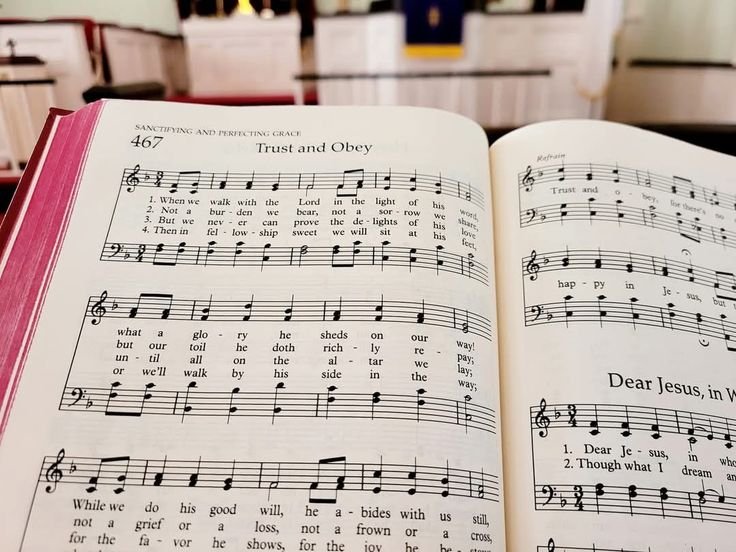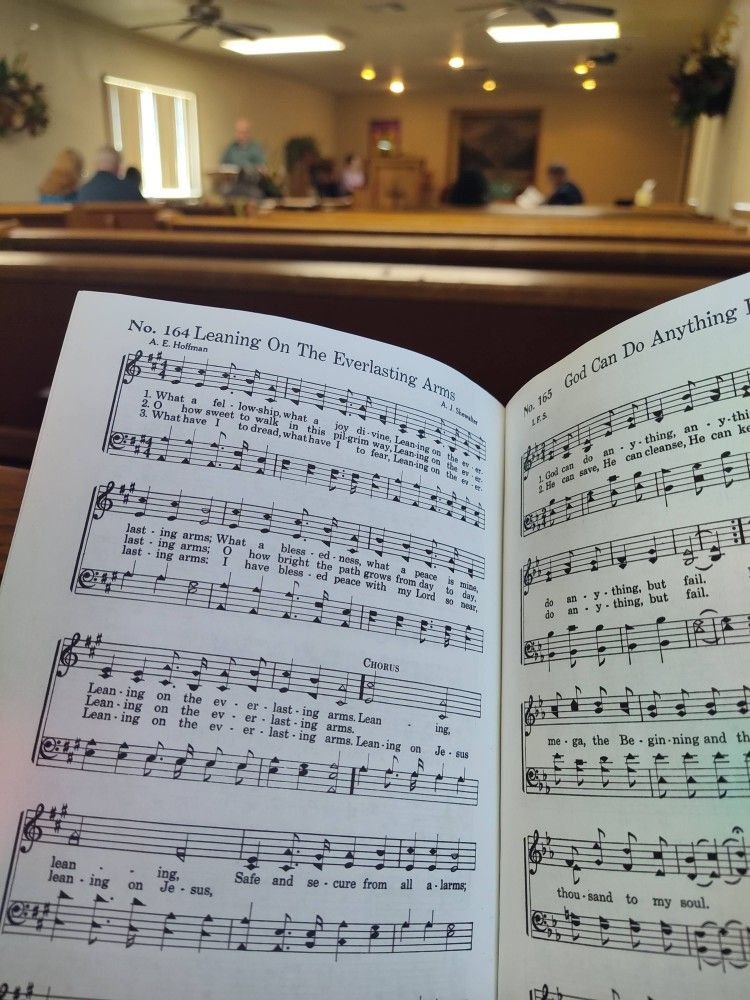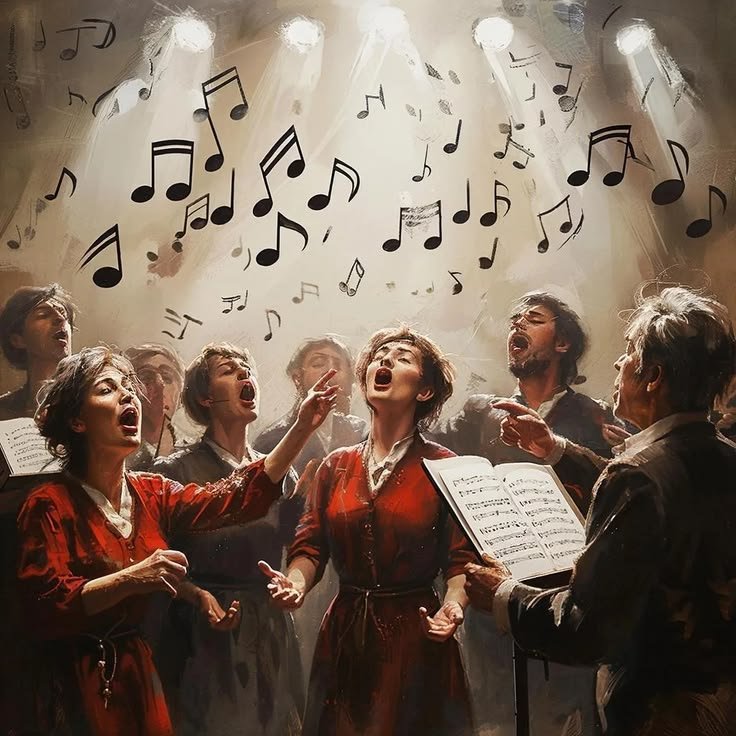
While formal creeds and complex academic treatises define official church doctrines, the everyday theology of average believers is shaped far more by music than by lectures. Long after Sunday sermons fade from memory, the lyrics embedded in congregational songs linger in the mind. Hymns and worship songs serve as the true “theology of the people”—a accessible, living framework of faith that forms how individuals understand God, suffering, grace, and community in their daily lives.
Memory, Melody, and Mindset
The human brain is uniquely wired to retain information paired with rhythm and melody. When a congregation sings together, the repetition of key theological concepts establishes deeply rooted mental patterns that plain text rarely achieves. A single hymn can compress intricate ideas about redemption or divine comfort into clear, memorable poetic stanzas. As a result, when believers face crisis, grief, or uncertainty, they almost always recall the lines of a beloved song rather than a line from a theological textbook.
Active Participation versus Passive Hearing
Singing transforms abstract concepts into an active, bodily experience. Listening to a sermon is fundamentally passive, but communal singing requires intentional focus, breath control, and vocal expression. By audibly declaring shared beliefs alongside hundreds of peers, believers internalize those truths as personal convictions. This physical engagement bridges the gap between intellect and emotion, turning abstract doctrines into personal spiritual identity.
Preserving Truth Across Generations
Historically, hymns have served as vital educational tools, especially during periods when literacy was low or access to written texts was limited. By embedding essential moral and spiritual principles into singable melodies, communities preserved their core values across generations. Even today, the songs selected for weekly gatherings act as a direct filter, determining which aspects of faith are highlighted, remembered, and passed on to the next generation.
Shaping the Heart of the Believer
Ultimately, what a congregation sings directly influences how it thinks, feels, and acts in the world. The songs chosen for worship quietly set the boundaries of a community’s worldview, defining its priorities and core identity. Church leaders and educators who recognize this dynamic understand that choosing congregational music is one of the most consequential decisions in spiritual formation. In the end, a community’s true living theology is not written in its statement of faith, but echoing from its seats every week.