The Lord’s Supper, or Holy Communion, stands as one of the most profound practices in Christian tradition—a moment where memory, mystery, and community intersect around a shared table. While sermons explain the theology of Communion, it is often the hymns sung during the service that make its weight truly felt. Sacred music serves as a bridge between high theological concept and personal emotion, allowing congregations to participate actively in a ritual that transcends simple habit. The songs chosen for this sacrament carry a unique responsibility: they must capture both the solemnity of sacrifice and the joy of shared grace.
The Art of Musical Reverence
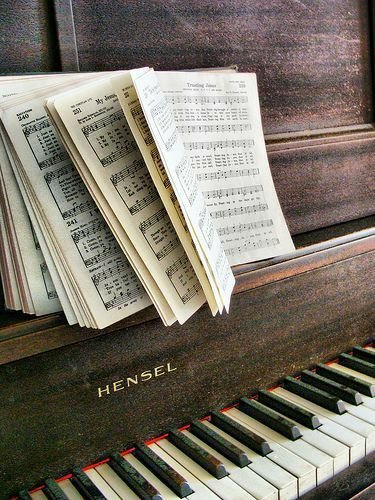
Communion hymns differ significantly from typical songs of praise through their quiet, reflective pacing and careful harmonic structure. Writers of classic Eucharist music often favored minor keys, gentle meters, and deliberate pauses to mirror the quiet contemplation required at the altar. Songs like “Let All Mortal Flesh Keep Silence” use haunting, archaic melodies to create a sense of sacred awe, inviting worshippers to drop everyday distractions. By slowing down the vocal cadence, these compositions physically force a congregation to pause, reflect, and approach the table with intentionality and reverence.
Poetry That Paints the Broken and Restored
Beyond their musical structure, the enduring power of Communion songs lies in their vivid lyrical imagery. Master hymnwriters rely on concrete, accessible metaphors—bread broken, wine poured, physical hunger satisfied—to ground complex spiritual truths in everyday human experience. Hymns such as “Bread of the World in Mercy Broken” frame the sacrament not as a rigid formal obligation, but as essential nourishment for weary lives. These lyrics give worshippers clear, poetic vocabulary to process themes of brokenness, forgiveness, and renewal as they take the elements.
A Shared Voice at the Table
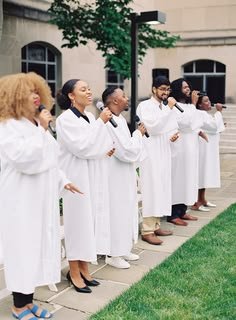
Singing during Communion also serves a vital communal function, transforming individual reflection into a unified act of faith. As voices blend across rows of pews, the physical act of singing together reinforces the egalitarian nature of the table, where every participant stands on equal footing. Classic Eucharist melodies are intentionally written with accessible, easily remembered vocal lines so that worshippers can focus on the shared moment rather than struggling with complex notes. In this way, the music binds a diverse group of individuals into a single body engaged in a common act of remembrance.
The Lasting Echo of Sacramental Song
Ultimately, Communion hymns do far more than fill quiet space while the bread and cup are passed; they leave an indelible mark on collective memory. Long after the service concludes, the quiet refrains of these table songs continue to resonate in the minds of believers, shaping how they understand grace, fellowship, and sacrifice throughout their daily lives. By weaving profound theology into simple, beautiful melodies, these timeless compositions ensure that the true weight and warmth of the Lord’s Supper remain accessible to every generation.