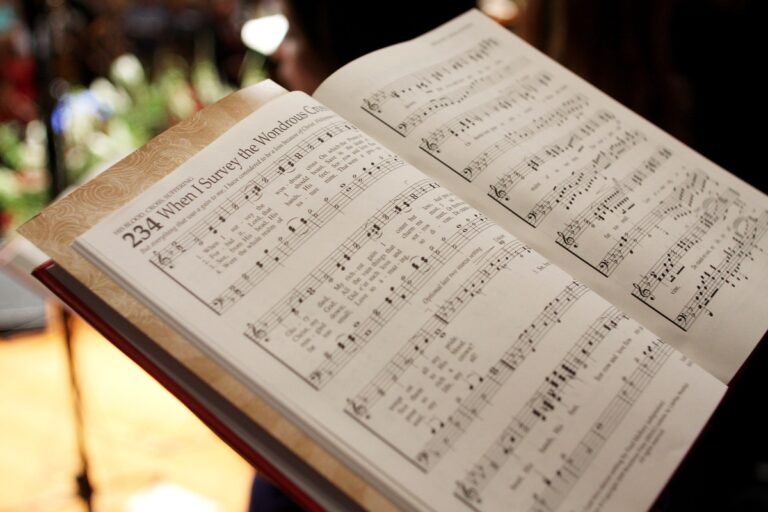
For centuries, sacred music has given voice to corporate worship, yet some of its most practical theology is found in hymns dedicated to daily labor. Rather than restricting faith to Sunday services, traditional work and vocational hymns bridge the gap between spiritual devotion and routine responsibilities. Songs such as Charles Wesley’s “Forth in Thy Name, O Lord, I Go” reframe manual labor, trades, and professional duties as direct acts of service. By singing about farming, craft, leadership, and household tasks, these compositions remind worshippers that ordinary effort carries enduring spiritual significance.
The Theological Meaning of Daily Vocation
At the core of vocational hymnody is the concept that all legitimate work reflects the creative nature of God. Rather than viewing job duties purely as economic necessity, these hymns present everyday tasks as a primary space for practicing stewardship, integrity, and service to others. Lyricists historically used clear, accessible imagery—such as sowing seeds, building structures, and tending herds—to ground complex theological truths in recognizable human experiences. This perspective transforms routine toil into an ongoing partnership with divine providence, elevating ordinary trades to meaningful callings.
Restoring Purpose in Modern Labor
In today’s fast-paced, highly specialized workforce, individuals frequently encounter professional burnout, detachment, or a sense of purposelessness. Hymns centered on vocation offer a stabilizing counter-perspective by shifting the focus from personal ambition or productivity metrics to faithful stewardship. By articulating the intrinsic value of daily effort, these musical texts encourage workers to find dignity in detail and care in execution, regardless of public recognition. Re-engaging with these classic themes helps modern professionals cultivate patience, ethical conviction, and long-term purpose within their chosen fields.
Fostering Community Through Shared Calling
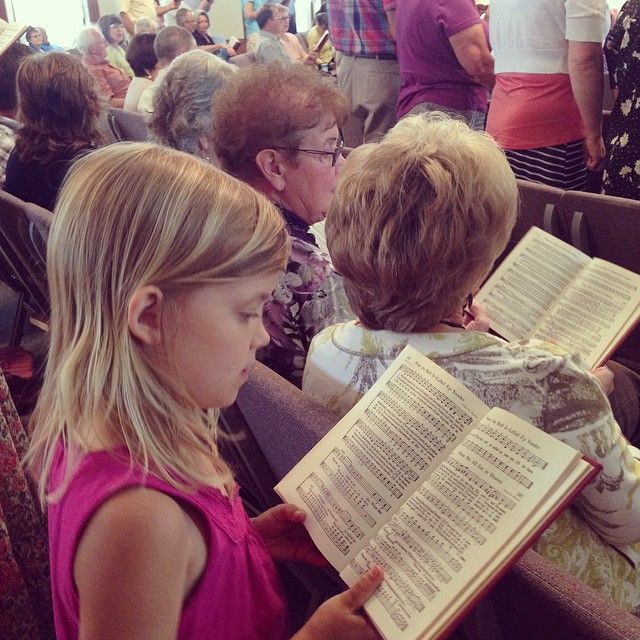
Beyond individual encouragement, work-focused hymns serve an essential communal purpose within gathering spaces. Singing collectively about diverse occupations validates every role within a community, reinforcing mutual reliance between different trades and professions. When a congregation sings together about farming, teaching, parenting, and governing, it dismantles artificial hierarchies of social or economic status. This shared musical narrative fosters deep respect among workers of all backgrounds, highlighting how varied human efforts collectively contribute to the common good.
The Lasting Relevance of Vocational Hymnody
The enduring strength of vocational hymns lies in their ability to integrate faith directly into the rhythms of everyday life. By providing a clear, accessible language for the dignity of labor, these traditional texts remain vital tools for personal reflection and corporate unity. They serve as a timeless reminder that spiritual growth is not confined to special retreats or quiet sanctuaries, but is continuously realized through quiet, persistent faithfulness in the workplace.