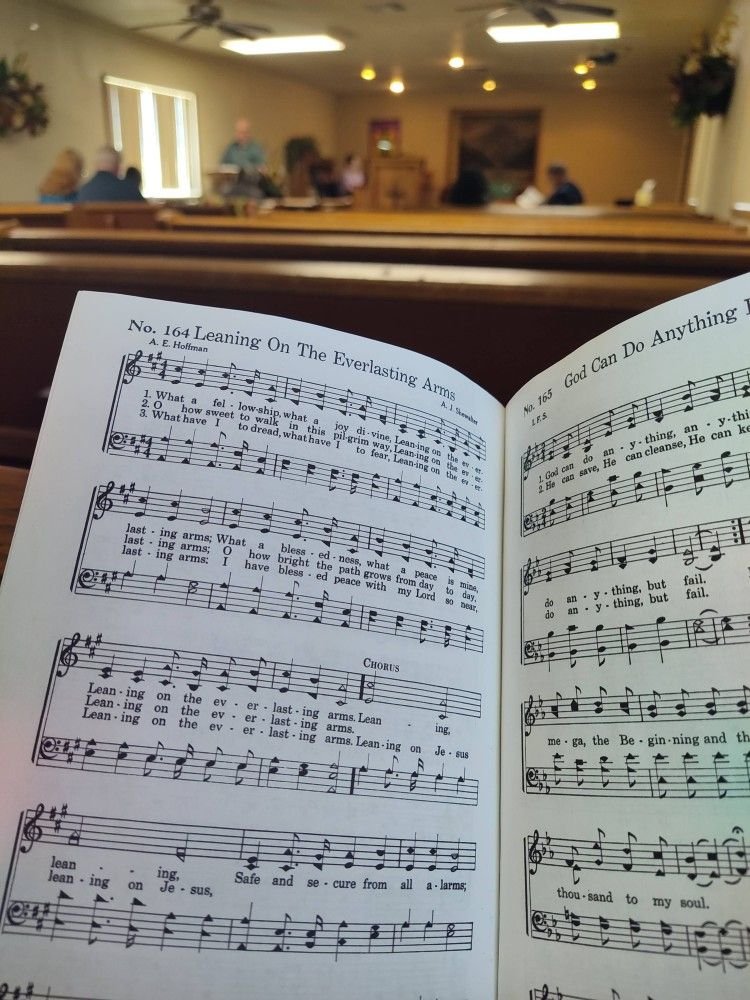
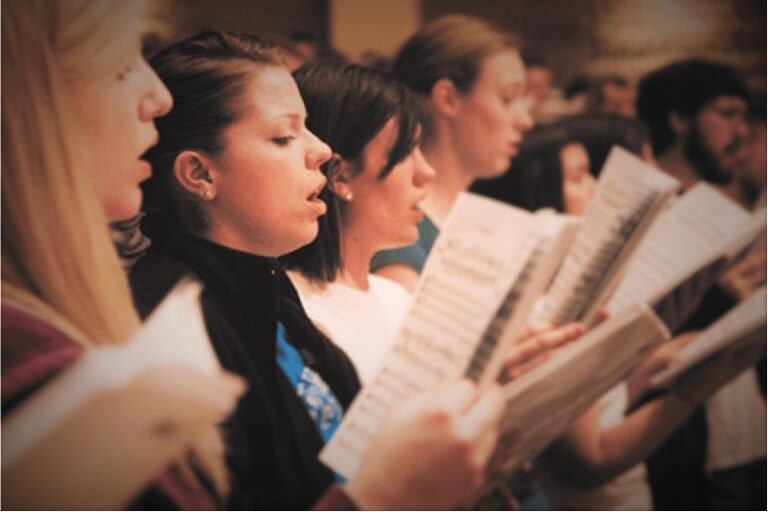
In the realm of Christian theology, “justification by faith” is a core concept that sounds complex but carries a wonderfully simple meaning. It is the legal verdict that a person is declared righteous and completely forgiven, not because of their own good deeds or moral perfection, but simply through their trust in a higher power. Throughout history, communicating this profound shift from guilt to peace has been a major challenge for teachers. Classic hymns solved this problem beautifully. By translating a deep legal and spiritual truth into accessible, rhyming stanzas, these songs became the primary way everyday people internalized the reality of a clean slate.
Rock of Ages: The Empty-Handed Plea
Written by Augustus Toplady in 1776, “Rock of Ages” stands as one of the most structurally precise explanations of justification ever set to music. The hymn completely strips away the idea that human effort can earn a right standing with the Divine. With the famous, clear lyric, “Could my zeal no respite know, could my tears forever flow, all for sin could not atone,” Toplady explains that even a lifetime of perfect behavior and deep sorrow cannot fix past mistakes. The song teaches that justification requires an empty-handed approach, encapsulated in the line, “Nothing in my hand I bring, simply to Thy cross I cling,” making it a perfect recommendation for anyone exploring the foundations of faith.
No Condemnation in the Heart
Another masterpiece that captures the emotional and spiritual liberation of justification is Charles Wesley’s 1738 anthem, “And Can It Be That I Should Gain?” Wesley uses vivid imagery to describe the exact moment a person transitions from a state of internal imprisonment to total freedom. When he writes, “No condemnation now I dread; Jesus, and all in Him, is mine,” he is summarizing a major theological principle in a single, memorable line. The hymn changes the atmosphere from anxiety to confidence, proving that justification is not just an abstract theory discussed by scholars, but a practical, lived experience that removes the weight of personal shame.
A Mnemonic Safeguard for Peace
From an educational standpoint, the true value of these hymns lies in their ability to act as permanent mental safeguards. Human beings are naturally prone to falling back into cycles of performance-based anxiety, constantly worrying if they are “good enough” in their personal or professional lives. The rhythmic, repetitive nature of a hymn like “The Solid Rock” (“My hope is built on nothing less than Jesus’ blood and righteousness”) works like an internal anchor. Long after a sermon or a written article fades from memory, these simple musical lines remain active in the subconscious, ready to remind the individual of their permanent security whenever stress or doubt arises.
A Timeless Recommendation for Modern Life
Ultimately, hymns about justification by faith continue to influence the modern world because they offer a message that never goes out of style: the promise of a fresh start. In a high-pressure society that constantly grades people based on their performance, status, and output, these songs offer a radical and healthy counter-culture. They recommend a lifestyle built on rest rather than relentless striving. By keeping these time-tested melodies in regular rotation, leaders and individuals ensure that the foundational message of unearned grace remains clear, simple, and central to both personal well-being and communal integrity.