Throughout centuries of Christian music and devotion, few images have captured the hearts of believers as deeply as the Lamb of God. Rooted in both Old Testament sacrificial imagery and the vivid visions of the Book of Revelation, the Lamb represents humility, sacrifice, redemption, and ultimate victory. When church congregations gather to sing hymns centered on the Lamb, they are not merely reciting old poetry; they are joining in a timeless chorus that echoes the eternal worship taking place around God’s heavenly throne.
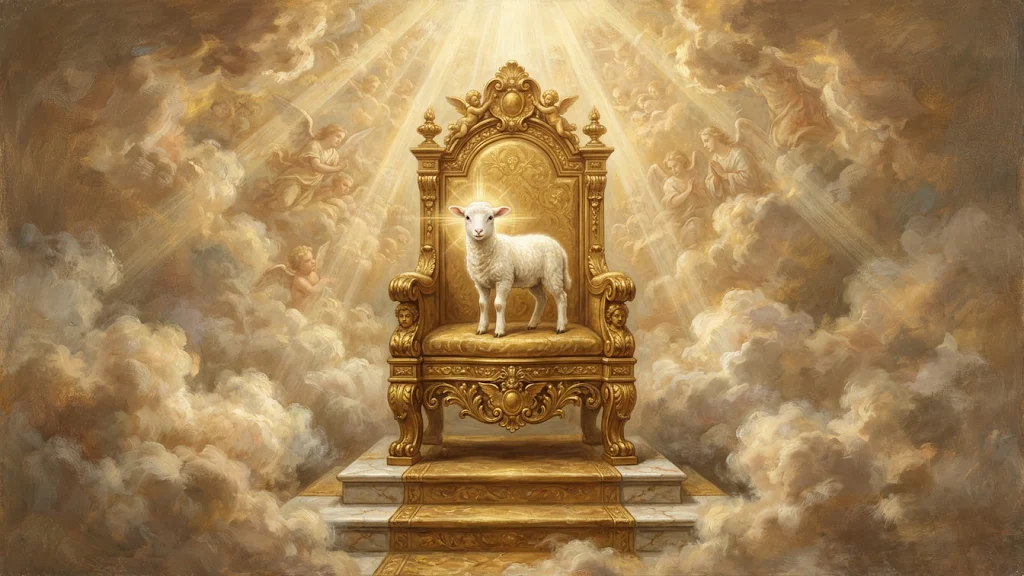
The connection between earthly hymns and heavenly worship begins in Scripture, particularly in the fifth chapter of Revelation. In this majestic vision, the Apostle John witnesses countless angels, elders, and living creatures surrounding the throne of heaven, proclaiming in unison that the Lamb who was slain is worthy to receive power, wealth, wisdom, strength, honor, glory, and praise. Because this scene portrays the ultimate destiny of every believer, hymn writers across generations have looked to these exact verses as the blueprint for congregational praise, crafting melodies that allow everyday worshippers to participate in heaven’s song right here on earth.
One of the most enduring examples of this sacred musical tradition is the classic hymn “Crown Him with Many Crowns,” written by Matthew Bridges and Godfrey Thring in the nineteenth century. In this triumphant anthem, the lyrics invite believers to awake and sing of the one who died for humanity, explicitly naming Him the Lamb upon His throne. The hymn captures the remarkable paradox at the heart of the Christian faith: the gentle, sacrificial Lamb who endured suffering on the cross is the very same sovereign King reigning over all eternity in unmatched splendor and authority.
Equally beloved is Isaac Watts’ masterpiece, “Come, Let Us Join Our Cheerful Songs,” which directly translates the heavenly scene of Revelation into accessible, joyful congregational worship. Watts writes of ten thousand thousand tongues uniting before the throne, celebrating how Jesus is worthy to be honored alongside the Father. Through simple, rhythmic phrasing, the hymn bridges the gap between the seen and unseen worlds, reminding singers that their voices in a local sanctuary blend seamlessly with the vast choir of angels above.
Another powerful pillar of this musical heritage is Charles Wesley’s “O For a Thousand Tongues to Sing,” alongside timeless classics like “Worthy Is the Lamb” and “Are You Washed in the Blood.” Each of these songs approaches the symbol of the Lamb from a distinct yet complementary angle. While some focus on the awe-inspiring majesty of heaven’s throne room, others emphasize the personal comfort, cleansing, and peace that flow from the Lamb’s sacrifice. Together, they form a rich tapestry of theological truth set to memorable tunes that even young children can easily learn and cherish.
What makes hymns about the Lamb so uniquely resilient across different cultures, languages, and musical eras is their clear and deeply relatable message. Unlike abstract theological concepts that can feel distant or complicated, the image of a gentle lamb communicates innocence, selflessness, and tender care. When paired with majestic melodies, these hymns strip away human pride and unite diverse believers in a shared posture of gratitude, wonder, and reverence before their Creator.
Ultimately, singing hymns about the Lamb serves as both a spiritual anchor in the present and a joyful rehearsal for eternity. In moments of sorrow, doubt, or celebration, these sacred songs refocus the human heart away from temporary earthly struggles and toward an unshakeable heavenly reality. By keeping the Lamb at the center of our music and devotion, these enduring hymns ensure that the song of heaven remains vibrant, clear, and alive in every generation.