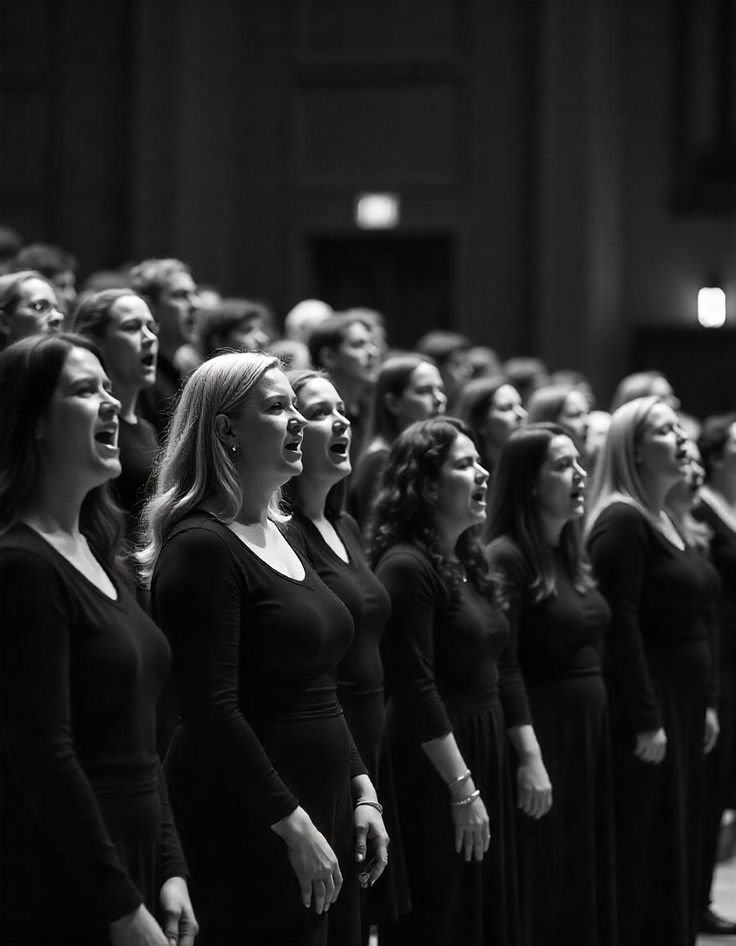
In a world that measures impact by noise, speed, and constant stimulation, the quiet pause right before a congregation begins to sing a hymn feels almost countercultural. Yet anyone who has sat in a still sanctuary as the final organ prelude fades knows that those few seconds of shared silence carry an extraordinary weight. Far from being an empty gap in a schedule, the stillness before the song is a deliberate spiritual threshold—a moment where scattered thoughts settle, hurried hearts slow down, and ordinary people prepare to step into the presence of the sacred.
Modern worship culture often equates passion with volume, assuming that louder instruments, brighter lights, and nonstop momentum automatically produce deeper spiritual engagement. While energetic praise certainly has its place in expressing joy and celebration, noise alone cannot manufacture genuine awe. Volume can stir temporary emotion, fill a room with excitement, and mask distractions, but it rarely gives the human soul room to listen, reflect, or surrender. Reverence, on the other hand, requires space, and silence is the doorway that opens that space within us.
When a gathering embraces quietness before singing, it teaches a vital lesson in spiritual posture: worship begins with receiving rather than performing. Throughout the week, most people are bombarded by notifications, deadlines, anxieties, and competing demands for their attention. Stepping straight from that mental clutter into loud singing can turn worship into just another busy activity. A few moments of intentional stillness act like a reset button for the mind, helping worshippers lay down their worries and recognize that they are standing before a holy God who does not need to be impressed by human noise.
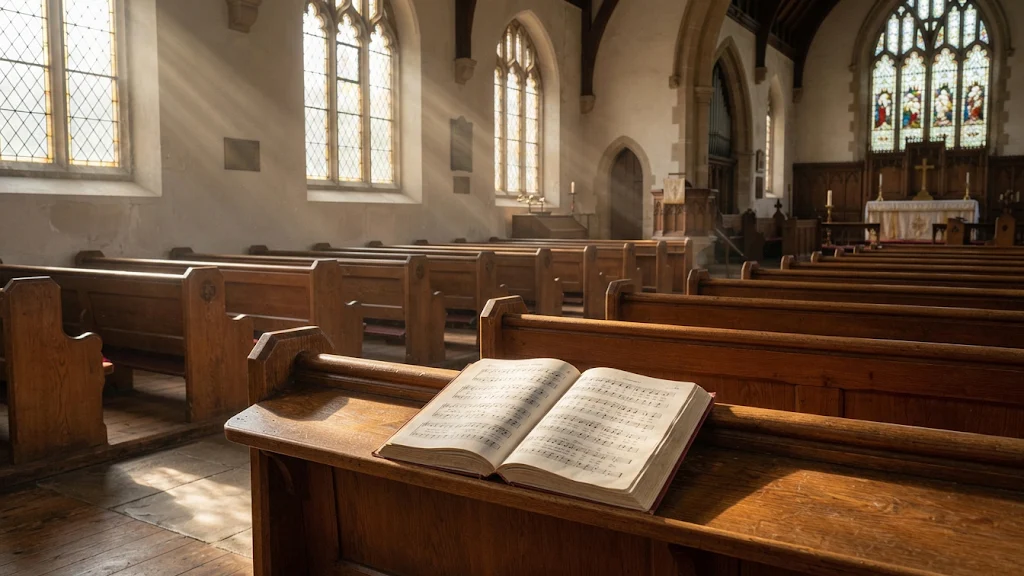
There is also a profound sense of unity forged in collective silence. When dozens or hundreds of people choose to be still together, individual egos quietly step aside. In that shared hush, no single voice dominates the room, and no one is trying to outshine their neighbor. Instead, everyone is equally humble, equally attentive, and equally expectant. When the first note of the hymn finally rises out of that stillness, the singing carries a richness, sincerity, and emotional depth that no amount of artificial hype could ever replicate.
Historically, spiritual traditions across generations have understood this delicate balance between silence and song. Ancient liturgies, monastic communities, and classic hymnals intentionally built pauses into their services so believers could meditate on Scripture and examine their hearts before offering praise. Even the writers of the Psalms frequently used the word “Selah”—a musical and spiritual direction inviting readers to pause, weigh the truth of what was just spoken, and let the message sink deeply into their souls before moving forward.
Beyond the sanctuary walls, learning to value the silence before the hymn transforms how we navigate everyday life. Practicing reverence trains us to become better listeners in our families, calmer decision-makers in our work, and more grounded individuals during seasons of uncertainty. When we no longer fear quiet moments, we discover that peace is not found by drowning out life’s challenges with louder distractions, but by anchoring our hearts in stillness and trust.
Ultimately, volume may capture our ears for a moment, but reverence captures our hearts for a lifetime. The quiet pause before the music begins reminds us that the power of a hymn does not come merely from how loudly it is sung, but from the depth of devotion behind every word. By honoring the sacred silence before the song, we allow stillness to prepare our spirits, deepen our gratitude, and turn simple melodies into lasting, transformative worship.