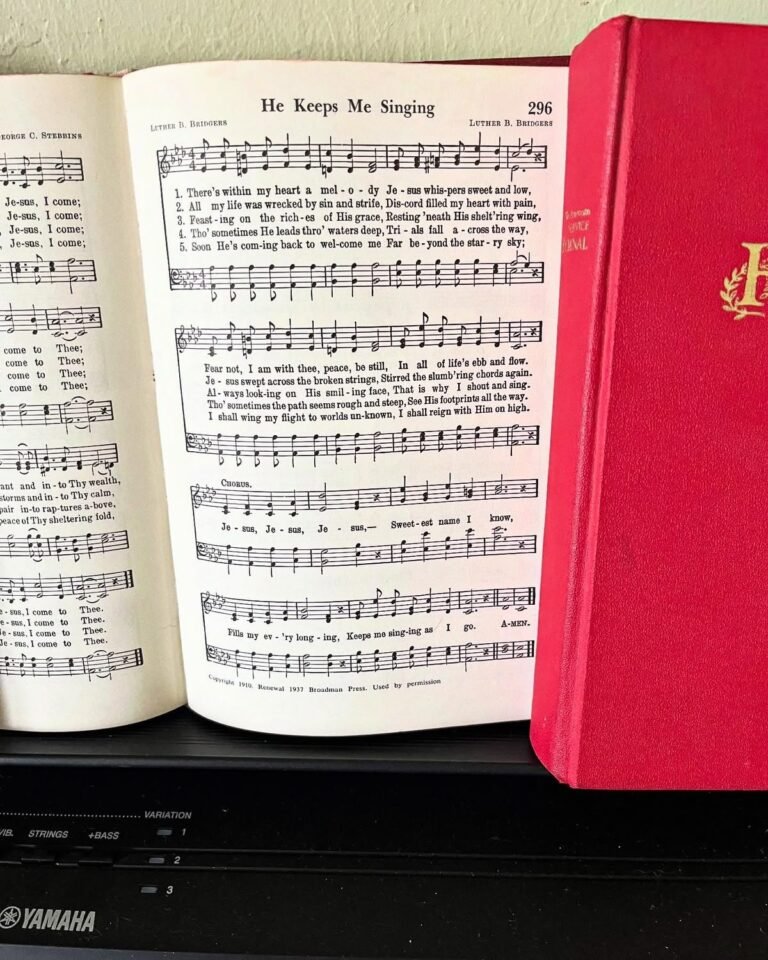
For centuries, Christian music maintained a vivid, almost obsessed focus on the afterlife. Early congregational songs frequently pictured Heaven as a tangible city of gold, a permanent refuge from earthly suffering, and the ultimate destination of human history. Hymns like “Jerusalem the Golden” and “On Jordan’s Stormy Banks” invited worshipers to look beyond present hardships toward an eternal, rest-filled future. Today, however, a quick survey of contemporary church music reveals a dramatic shift. The modern hymnal has largely set aside these grand, cosmic vistas of the next life, trading them for songs focused entirely on immediate, present-day human experiences.
From Future Hope to Present-Day Solace
The transition away from songs about Heaven reflects a broader cultural turn toward instant relevance and personal emotional healing. Where historical writers wrote about overcoming mortality and reuniting with the Divine across the threshold of death, modern songwriters tend to focus on individual peace, present blessing, and overcoming daily stress. While these immediate themes offer comfort, they significantly shorten the horizon of congregational worship. By focusing almost exclusively on God’s work in the present moment, contemporary music risks treating the spiritual life as a tool for coping with today rather than a journey toward an eternal destination.
The Loss of Poetic and Theological Imagination
The classical hymns of previous centuries were rich with bold, imaginative imagery drawn from ancient poetry and biblical metaphor. They dared to picture specific, vibrant features of the world to come—pearly gates, crystal seas, and eternal banquets where grief and pain cease forever. This rich language gave congregations a shared vocabulary for understanding suffering and mortality. By contrast, when modern music drops these imaginative themes, the collective ability to process grief and death shrinks. Without songs that dare to picture what lies beyond the grave, worship loses one of its most potent sources of lasting hope.
Why the Disappearance of Heaven Matters
This theological quietness regarding Heaven impacts how believers view their current lives and struggles. Historically, the promise of a glorious future provided believers—particularly those facing severe poverty, illness, or persecution—with the strength to endure earthly trials. When a religious tradition stops singing about its ultimate goal, its sense of purpose inevitably shifts. Reclaiming songs about the afterlife does not mean abandoning real-world responsibilities; rather, it provides a crucial anchor. Remembering the ultimate destination gives depth, urgency, and balance to the work being done in the present.
Reclaiming a Fuller Musical Vision
Restoring songs of Heaven to regular worship does not require discarding contemporary music, but it does demand a broader, more balanced repertoire. Congregations thrive when their music addresses the full span of human existence—from daily trials to eternal hopes. By reviving the rich, imaginative songs of the past and encouraging modern writers to look beyond the present horizon, the church can recover a vital part of its artistic and spiritual heritage. Singing about Heaven ultimately reminds us that human stories belong to a much larger, everlasting framework.