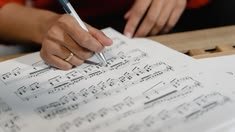
Throughout musical history, most lyrics are tightly bound to a single melody, making it almost impossible to separate the words from the tune. However, one iconic eighteenth-century hymn breaks this rule entirely, having been paired with over 2,000 distinct musical compositions across different cultures and generations. John Newton’s “Amazing Grace” stands as a rare masterpiece of sacred poetry that functions as an open canvas for musicians. Its enduring versatility stems from its universal theme of redemption and its simple, elegant poetic structure. Rather than relying on a complex musical arrangement to carry its message, the text itself contains an innate rhythmic quality that allows composer after composer to reinvent it without losing its emotional heart.
The Power of Common Meter
The primary technical secret behind this extraordinary adaptability lies in a poetic structure known as “common meter.” In common meter, four-line stanzas alternate between eight syllables and six syllables, creating a natural, reliable cadence. This specific poetic rhythm is incredibly widespread in folk music, traditional balladry, and church music across the globe. Because so many traditional and contemporary melodies follow this exact structural blueprint, “Amazing Grace” can be seamlessly sung to hundreds of existing traditional tunes or matched to entirely new compositions. The mathematical simplicity of its poetic grid gives composers total creative freedom to adjust the tempo, mood, and genre while maintaining perfect lyrical balance.
Adapting Across Cultures and Musical Eras
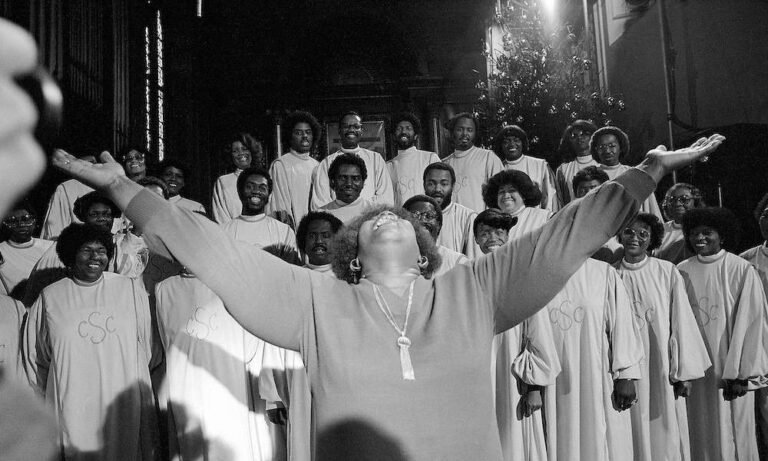
Over the centuries, this structural flexibility allowed the hymn to travel far beyond its original church setting and absorb the unique musical flavors of diverse communities. Early American singers paired the words with solemn folk melodies, while nineteenth-century publishers set it to the popular tune “New Britain,” which remains the most recognizable version today. As the text moved across continents, African American gospel artists imbued it with soulful harmonies, Scottish bagpipers transformed it into a world-famous instrumental anthem, and modern artists reworked it into jazz, country, and pop arrangements. Each new tune allowed different cultures to claim the song as their own, proving that a truly great text can transcend its original artistic boundaries.
Simple Language with Universal Resonance
Beyond its rhythmic geometry, the sheer volume of musical adaptations is driven by the clarity and simplicity of its language. Newton chose plain, everyday words that speak directly to fundamental human experiences—struggle, gratitude, peace, and hope. Complex theological jargon often limits a song’s reach to specific traditions, but straightforward language invites broad interpretation. Composers are drawn to lyrics that leave room for emotional expression, and the simple phrasing of this text gives musicians space to experiment with dramatic shifts in harmony and melody. The words remain powerful whether accompanied by a quiet acoustic guitar, a soaring orchestral section, or an unadorned vocal solo.
A Lasting Legacy for Modern Creators
The legacy of a single text inspiring thousands of unique melodies provides a valuable lesson for modern writers, speakers, and content creators. It demonstrates that the most enduring work is built on structural clarity, authentic emotion, and universal accessibility. By stripping away unnecessary complexity and focusing on core human truths, a creative work becomes infinitely adaptable. The story of this multi-faceted hymn proves that when an idea is expressed clearly and built on a strong foundation, it ceases to be just a single piece of art—it becomes a timeless foundation for endless human expression.