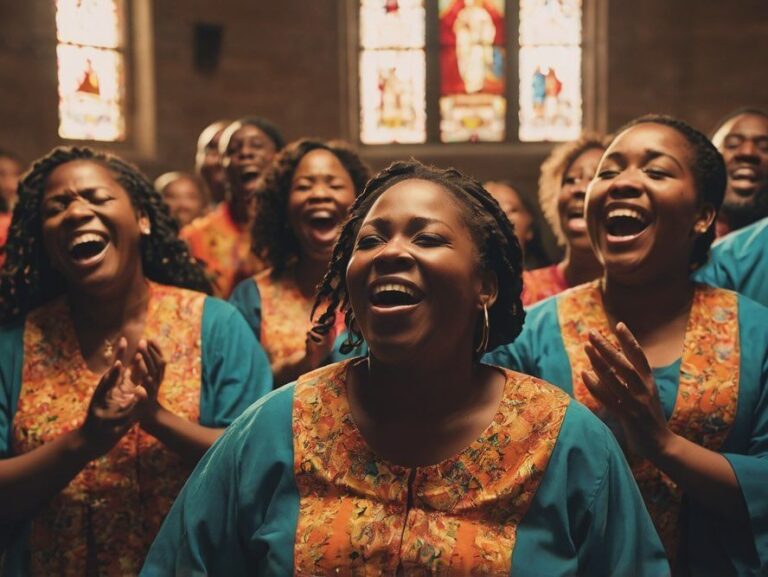
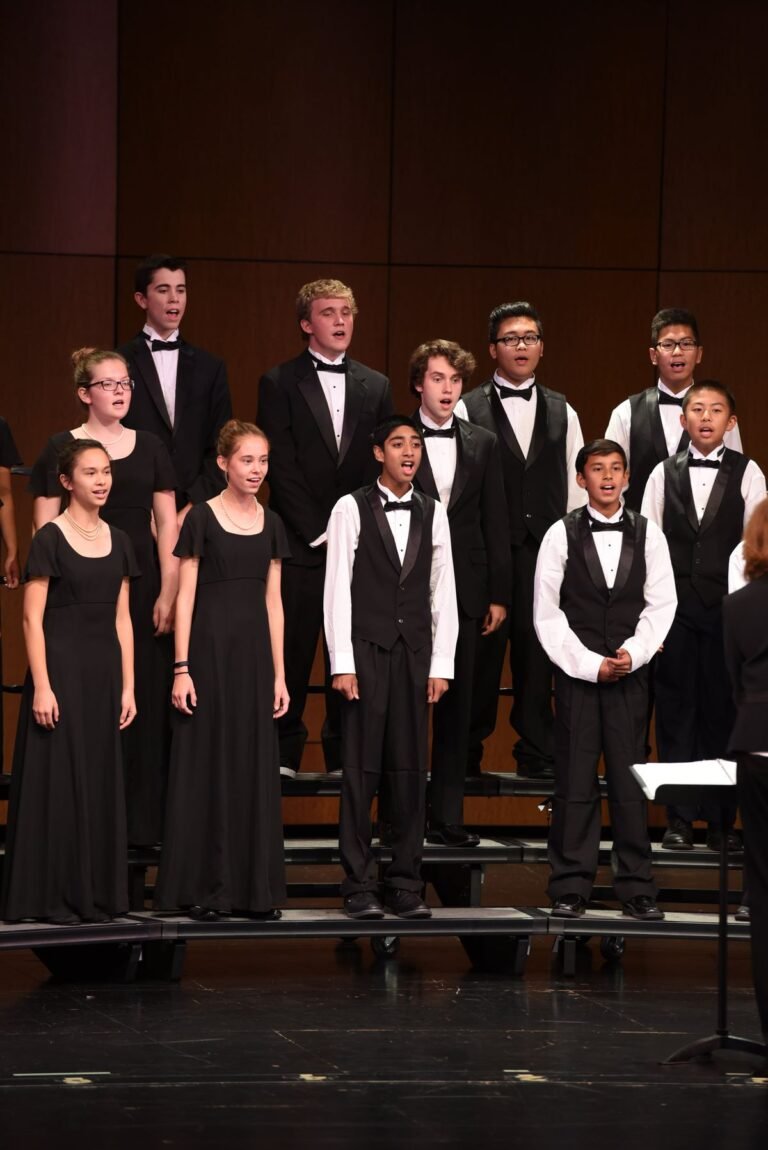
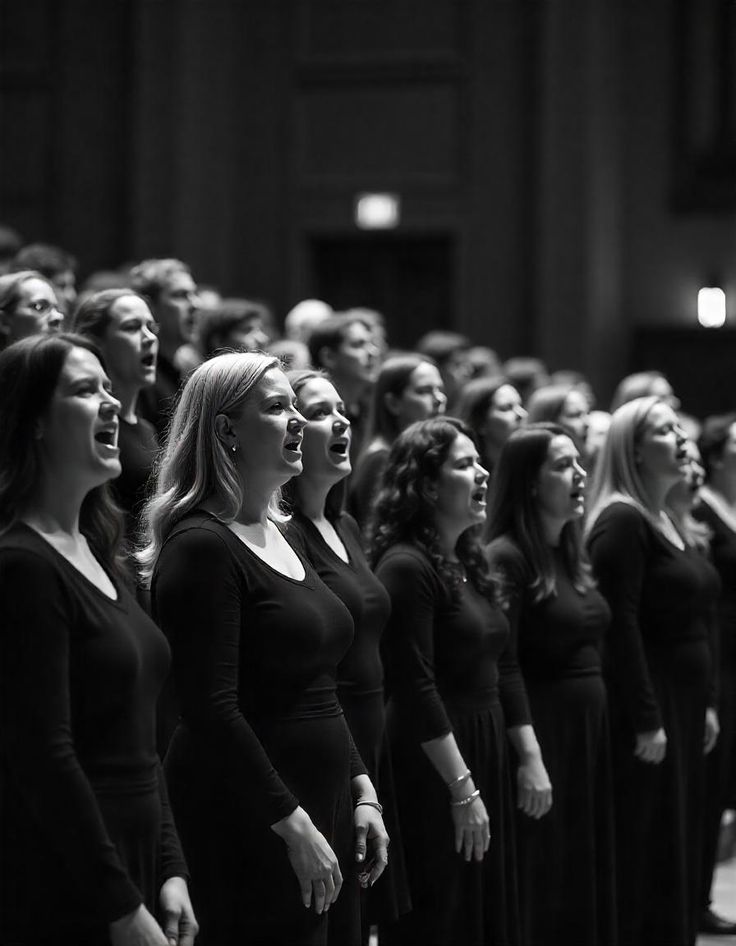
In a modern culture that often prioritizes individual achievement and digital isolation, the physical church community remains a vital space for genuine human connection. Historically, hymns about the church and fellowship have served as the musical glue that binds these communities together. These songs do not merely focus on personal devotion; instead, they highlight the beauty of collective responsibility, mutual support, and shared identity. By singing about unity, congregations reinforce their social and spiritual bonds, transforming a weekly gathering into a cohesive, supportive network capable of navigating life’s challenges together.
The Blueprint of Spiritual Unity
A primary example of this musical foundation is found in classic pieces that define what the community stands for. Hymns like “The Church’s One Foundation” use clear, direct terms to explain the origin and purpose of the collective body. The lyrics remind participants that the church is not a physical building made of brick and mortar, but a living, breathing community composed of diverse individuals united by a single purpose. This perspective helps members look past internal differences or personal preferences, establishing a shared baseline of mutual respect and cooperation that is essential for any healthy organization.
The Kinship of Mutual Support
Fellowship is fundamentally about carrying one another’s burdens, and hymns provide a practical vocabulary for this empathy. The classic hymn “Blest Be the Tie That Binds” focuses beautifully on the emotional connection between community members. With simple phrases like “Our fears, our hopes, our aims are one, our comforts and our cares,” the song acts as a reminder that no individual has to walk through a difficult season alone. This regular, musical reinforcement of shared empathy builds deep emotional safety within a group, encouraging members to be transparent, supportive, and active in local care initiatives.
Overcoming Social and Cultural Barriers
From a social standpoint, hymns about fellowship are highly effective tools for building inclusivity. Songs like “In Christ There Is No East or West” were explicitly written to challenge geographical, racial, and social divisions. By putting these egalitarian principles into a simple, memorable melody, hymn writers created an environment where everyone sings the exact same declaration of equality. In a professional or community setting, this practice helps dismantle natural social cliques, reminding the assembly that true fellowship requires an open door and a shared seat at the table for individuals from all backgrounds.
A Lasting Recommendation for Community Health
Ultimately, integrating hymns about the church and fellowship into regular routines is highly recommended for any leader looking to foster long-term corporate health. These songs act as an enduring internal resource, teaching generations of believers how to listen to one another, work in harmony, and protect their shared values. Whether a community is facing external pressure or internal transition, these time-tested melodies provide a reliable anchor. By keeping the language of unity and fellowship at the center of their gatherings, communities ensure that their foundation remains resilient, welcoming, and firmly focused on collective growth.