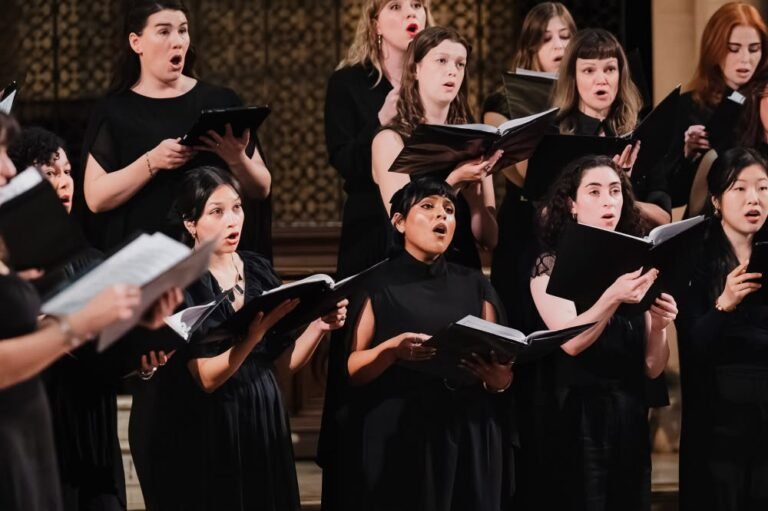
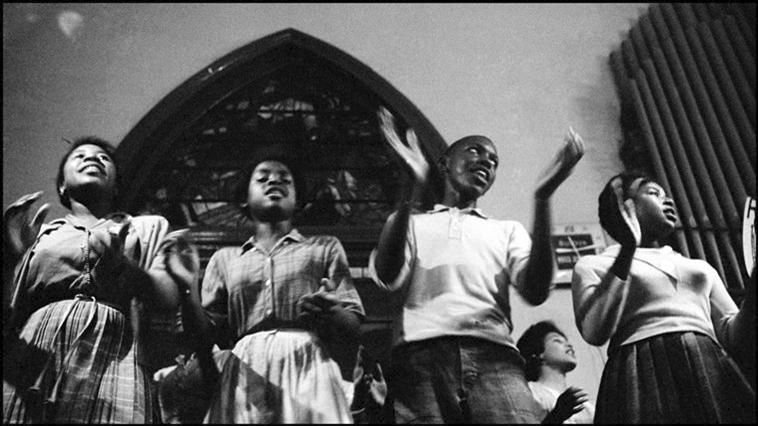
African traditional Christian hymns represent a powerful, historic intersection where European hymnody meets the rich cultural expressions of the African continent. Beginning in the nineteenth and twentieth centuries, local theologians and musicians began translating classic missionary hymns into indigenous languages. However, they went far beyond mere translation; they infused these songs with traditional African polyphony (many-voiced harmony) and rhythmic structures. This blending transformed foreign melodies into deeply personal, culturally authentic expressions of faith, proving that sacred music could honor both spiritual devotion and cultural identity.
The Power of Call-and-Response
A defining feature of African traditional hymns is the use of the call-and-response structural pattern. In this format, a leader sings a distinct musical phrase (the call), and the congregation responds with a unified, repeating verse (the response). This style strips away the passive “spectator” model often found in modern concert-style worship. Instead, it creates a highly collaborative environment where everyone in the room has an essential role. This democratic approach to singing builds an immediate sense of community and shared purpose, making the worship experience feel intensely personal and connected.
Rhythm as a Theological Language
Unlike Western hymnody, which traditionally relies heavily on static time signatures and organ accompaniment, African traditional hymns embrace rhythm as an active language of praise. The integration of indigenous instruments—such as the djembe drum, shekere, and thumb piano (mbira)—serves a structural purpose rather than just a decorative one. The rhythm acts as a steady heartbeat for the congregation, matching the emotional weight of the lyrics. By engaging the physical body through rhythm, these hymns create a holistic experience where faith is not just thought about intellectually, but felt physically, offering a healthy outlet for emotional release.
Preserving Oral History and Truth
In many African cultures, oral tradition is the primary method for passing down history, values, and wisdom across generations. Traditional hymns function as a vibrant, living archive of this legacy. The lyrics often weave biblical narratives together with local historical struggles, creating a unique framework for resilience. Because these songs are passed down orally through constant repetition in families and villages, the core principles they teach become deeply embedded in the cultural memory. This long-term retention ensures that both sound doctrine and community history remain accessible to old and young alike.
A Lasting Blueprint for Global Worship
Today, African traditional Christian hymns continue to exert a major influence on global worship trends, frequently inspiring contemporary songwriters around the world. Their emphasis on raw vocal harmony, physical movement, and communal participation offers a refreshing alternative to highly produced, tech-dependent services. For church leaders and cultural archivists seeking to build deep, resilient communities, studying and recommending these traditional pieces is highly valuable. They serve as a timeless blueprint, reminding us that the truest essence of worship music is found when a community brings its authentic, unvarnished heritage into the presence of the Divine.