During World War One, soldiers on the Western Front lived under relentless stress, surrounded by artillery fire, mud, and continuous danger. Amidst this chaotic environment, military chaplains and soldiers turned to traditional hymns as a crucial psychological tool to restore calm. Singing sacred songs offered a rare moment of peace, helping young men quiet their minds and regulate their anxiety during long hours spent in cold, cramped trenches.
Restoring Familiarity in an Unfamiliar World
For millions of soldiers deployed far from home, traditional hymns provided an instant connection to childhood memories, family gatherings, and Sunday services. Songs like “Abide with Me” and “Rock of Ages” carried deep personal familiarity, offering mental comfort when everything around them felt terrifying and unpredictable. By tapping into shared memories, these melodies anchored soldiers to their normal lives, temporarily displacing the trauma of active combat.
The Physical and Neurological Power of Group Singing
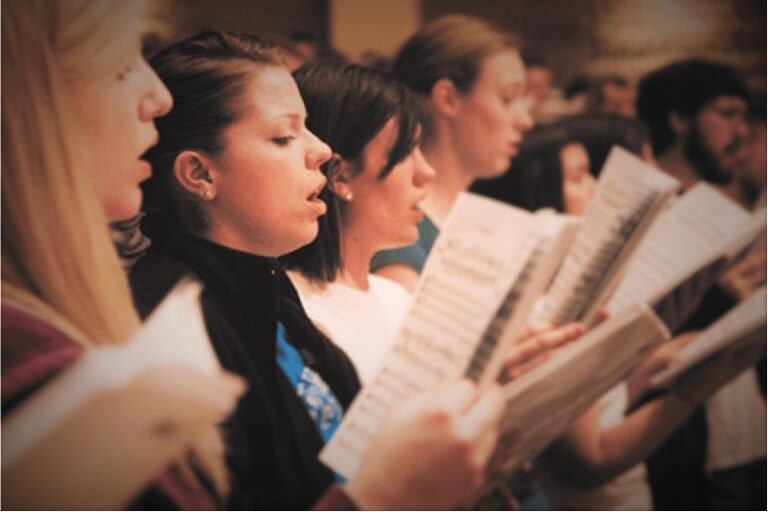
The act of group singing produced direct physiological benefits that helped calm nervous systems in high-stress combat zones. Synchronized choral singing encourages steady, deep breathing, which naturally lowers heart rates and reduces stress hormones like cortisol. When soldiers sang together in the dugouts, the collective rhythm fostered a strong sense of camaraderie and solidarity, reinforcing emotional resilience and reminding every man that he was not facing the ordeal alone.
Shared Melodies Across No Man’s Land
Hymns held a unique, universal power that occasionally transcended national rivalries on the battlefield. The most famous example occurred during the Christmas Truce of 1914, when British and German troops sang classic hymns like “Silent Night” (“Stille Nacht”) across No Man’s Land. Because many hymn tunes shared identical melodies across different languages, troops recognized the music instantly, creating fleeting moments of mutual calm, dignity, and shared humanity amidst a global conflict.
The Lasting Legacy of Sacred Music in Military History
The strategic use of hymns in the trenches of World War One highlights the profound human need for hope, order, and connection under extreme pressure. Rather than serving merely as religious practice, these simple compositions operated as vital psychological tools that maintained morale and mental stability. The historical record of music calming frontline troops remains a powerful reminder of how simple, accessible art can heal spirits and bring tranquility to the darkest moments of human conflict.