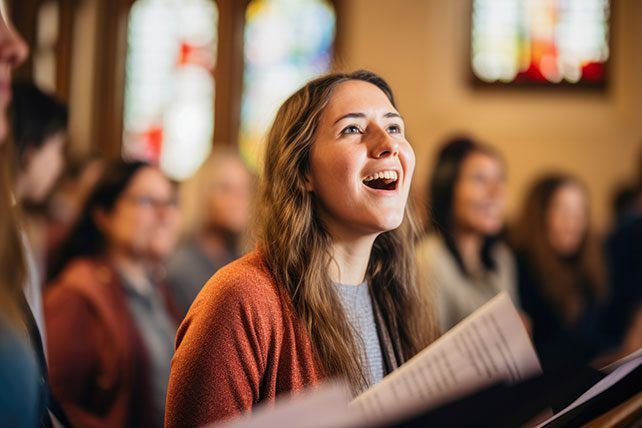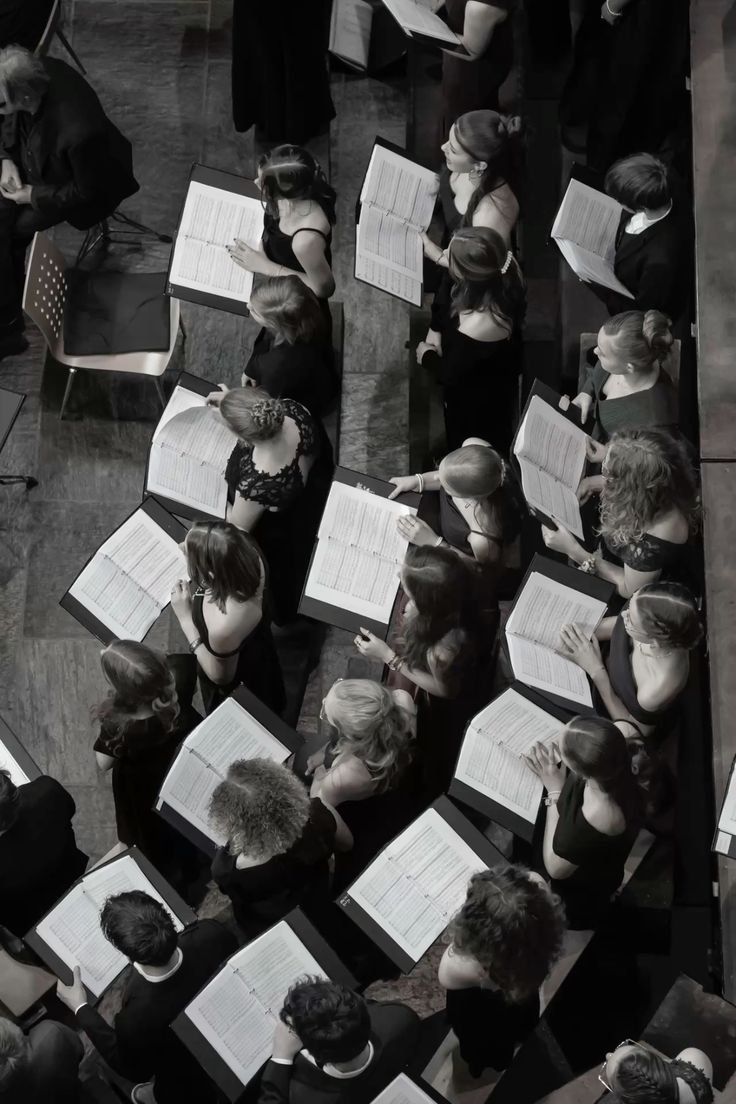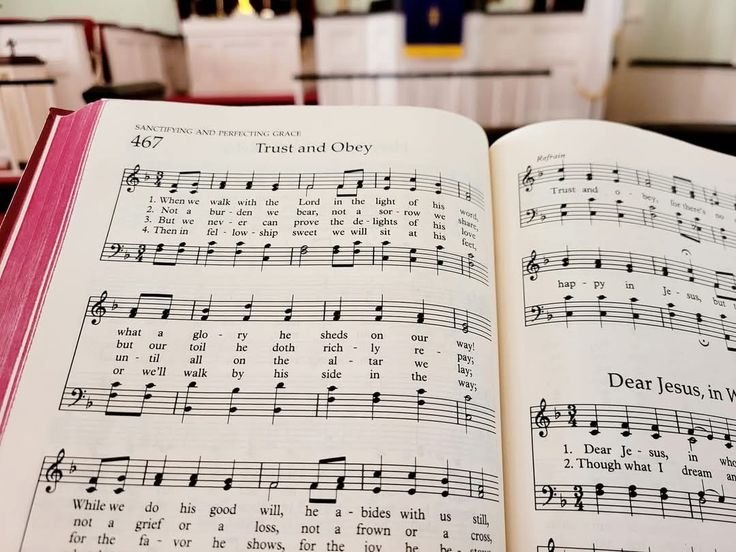
Every Sunday morning, millions of people gather to sing a curated selection of songs, rarely stopping to ask a fundamental question: who chose these specific hymns, and why? In most communities, the responsibility falls on a small group or a single individual—typically a worship pastor, senior minister, or music director. While it might seem like a simple matter of choosing popular or pleasing tunes, this selection process is actually one of the most influential shaping forces in a local church. The person who selects the weekly music effectively controls the collective voice of the congregation, setting the tone for how people express grief, gratitude, joy, and hope.
Shaping Theology Through Repetition
There is an old, time-tested maxim in sacred music: people often remember the songs they sing far longer than the sermons they hear. Because music pairs rhythmic prose with emotional melodies, lyrics lodge themselves deep inside human memory. This means that whoever selects the hymns is directly shaping the congregation’s daily core beliefs and self-talk. If a leader consistently chooses songs focused exclusively on individual feelings, the community’s mindset becomes self-centered. Conversely, if a leader selects songs rich in historical depth, shared responsibility, and social compassion, the congregation develops a well-rounded, resilient worldview that stands firm during crisis.
Balancing Generational and Cultural Dynamics
A music selector must also act as a thoughtful cultural bridge builder. Modern congregations are often composed of multiple generations sitting in the same room, each carrying different musical preferences, emotional triggers, and life experiences. Older members may find comfort in traditional, slow-paced organ arrangements, while younger members often connect with contemporary rhythms and acoustic guitars. If a leader leans too heavily into one style to satisfy a single demographic, they risk alienating others and fracturing the community. Deciding which songs to sing is a delicate balancing act of unity, requiring leaders to sacrifice personal taste in order to serve the entire group.
The Neurological and Emotional Responsibility
From a physiological perspective, the selection of music exerts a direct impact on the physical state of the room. Upbeat tempos with predictable rhythms stimulate the brain’s release of dopamine, lifting spirits and building energy. Slower, reflective melodies lower heart rates, reduce cortisol levels, and create a calm space for processing grief or stress. A skilled music leader designs a thoughtful arc that guides the human nervous system from excitement down into quiet contemplation. Mismanaging this flow can leave a congregation feeling mentally exhausted or emotionally disconnected, making song selection a genuine responsibility for overall physical and psychological well-being.
A Recommended Blueprint for Strategic Leadership
Ultimately, deciding which hymns a congregation sings is far more than a minor administrative task—it is a strategic investment in the long-term health of a community. For church leaders and music coordinators, approaching this responsibility with intentionality and professional stewardship is highly recommended. A great song selector does not simply pick what sounds good on the radio; they evaluate lyrics for clarity, assess melodies for congregational ease, and balance emotion with lasting truth. By recognizing the true weight of this role, leaders can ensure that every song sung becomes a durable anchor for human flourish, unity, and internal peace.