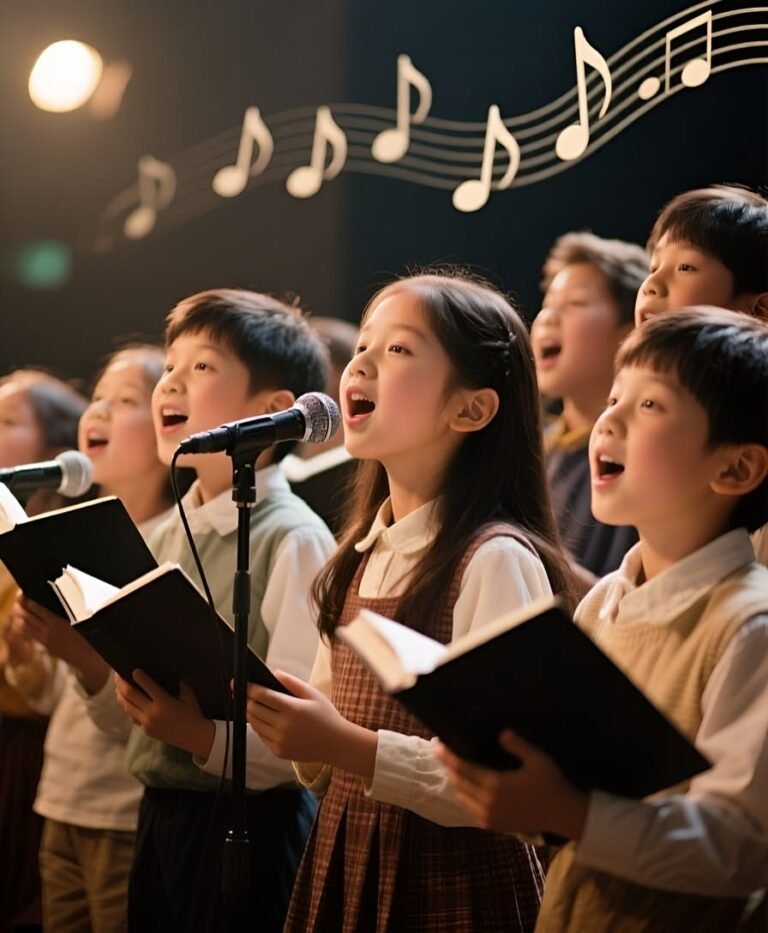
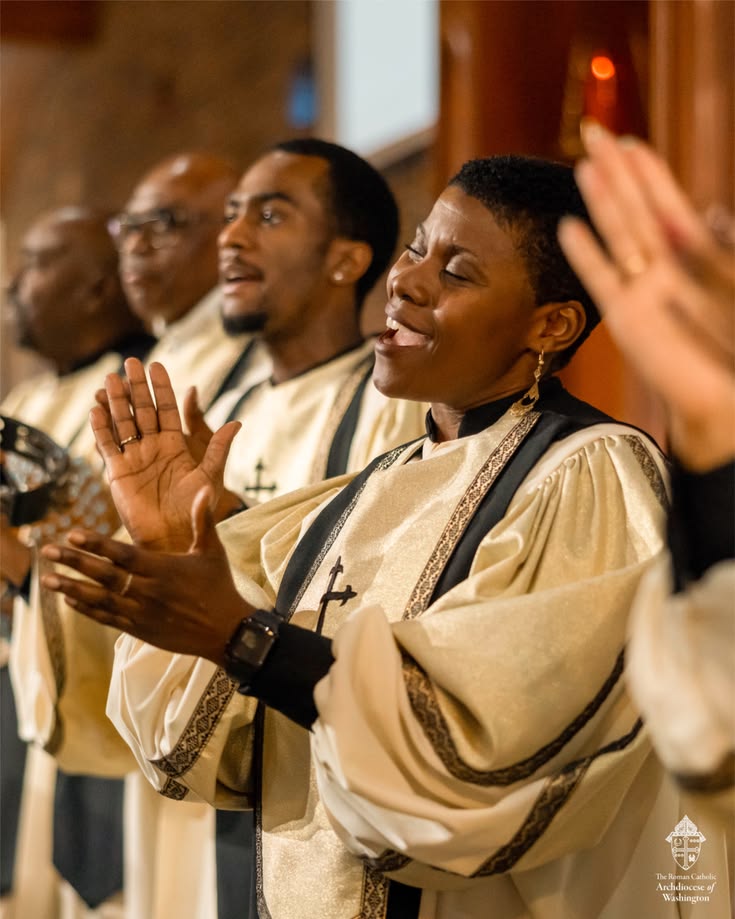
In an era dominated by high-tech sound systems, electric guitars, and complex backing tracks, the acoustic simplicity of a cappella singing stands out as a breathtaking alternative. While full instrumental arrangements certainly have their place in modern gatherings, certain classic hymns actually reach their peak potential when all instruments are turned off. Stripping away the musical accompaniment reveals the raw, unfiltered beauty of human voices joining together. Far from feeling incomplete, singing without instruments often unlocks a profound sense of intimacy, clarity, and communal power that even the most sophisticated musical equipment simply cannot match.
Space for Lyrical Clarity and Reflection
One of the primary reasons some hymns excel without instruments is the immediate boost in lyrical clarity. When a loud band or organ is playing, delicate poetic nuances and multi-layered theological statements can get drowned out in the mix. Singing a cappella eliminates this acoustic competition, allowing every single consonant and vowel to ring out with crisp precision. This acoustic space forces both the singer and the listener to slow down and actively process the meaning of the words. Hymns that deal with quiet reflection, personal confession, or deep peace naturally thrive in this quiet environment, where the message remains the absolute focal point.
The Physical Miracle of Natural Resonance
From an acoustic and physical perspective, the human voice possesses a unique quality known as natural resonance. Unlike manufactured electronic sounds, vocal cords produce warm, organic frequencies that naturally blend when individuals sing in four-part harmony—soprano, alto, tenor, and bass. When a room full of people sings a classic hymn like “Abide With Me” without instrumental backing, the acoustic resonance of the voices fills the physical space in a way that feels organic and alive. The singers are forced to listen to one another, adjust their volume, and match their pitch, creating a rich, self-balancing soundscape that feels deeply satisfying to the human ear.
Breaking the Wall Between Stage and Seat
Removing instruments fundamentally changes the dynamic of a room by breaking down the invisible wall between the platform and the congregation. In many modern worship settings, heavy instrumentation can accidentally transform the gathering into a concert where the audience passively listens to a lead performer. A cappella singing completely reverses this trend. Without an instrument to lead the way or cover up mistakes, every individual realizes that their voice is an essential part of the collective whole. This sudden shift from passive listening to active participation creates a powerful atmosphere of unity, reminding the group that the music is something they build together.
A Recommended Strategy for Vocal Rest and Unity
For worship directors, music leaders, and community organizers, incorporating deliberate a cappella moments into a gathering is a highly recommended strategy. You do not need an entire service without music to capture these benefits; simply dropping the instruments for the final verse of a familiar hymn can instantly elevate the emotional and spiritual weight of the moment. It provides a refreshing contrast to continuous noise, builds confidence in the group’s natural vocal abilities, and fosters a lasting sense of shared community. Ultimately, some hymns work better a cappella because they remind us that the human voice remains the most authentic, durable, and powerful instrument ever created.