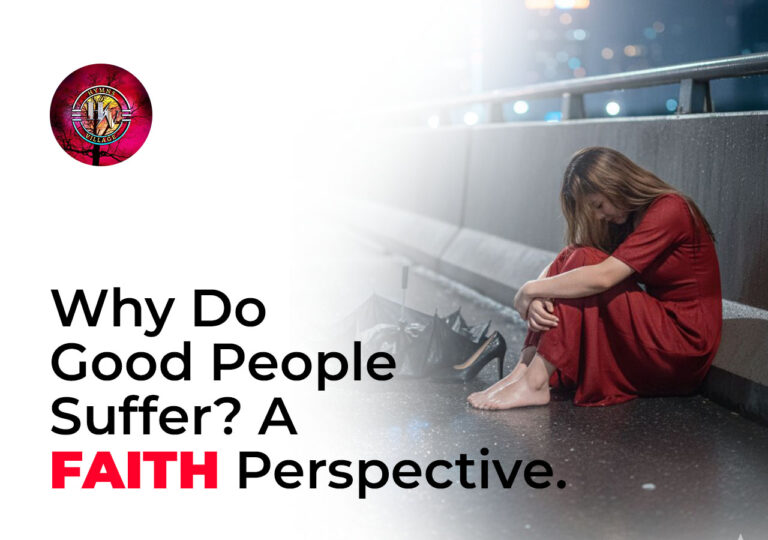
A common misconception in spiritual circles is that faith is a static, unwavering state of certainty. This creates a culture where doubt is viewed as a failure or a sign of moral weakness, often leading to deep feelings of guilt. However, doubt is not the opposite of faith; it is a natural part of the intellectual and spiritual process. Just as a software engineer must test code to ensure its robustness, an individual may encounter questions that challenge their current understanding. Recognizing that doubt is a sign of an active, thinking mind can transform it from a source of shame into a catalyst for growth.
Doubt as a Diagnostic Tool
Instead of seeing doubt as a threat, it is more helpful to view it as a diagnostic tool. When we question a specific belief or practice, our mind is often identifying an area where our “why” has become blurry or where we have outgrown a simplistic explanation. This is a professional and mature approach to personal development. By asking difficult questions, we are essentially performing “maintenance” on our worldview, ensuring that our convictions are built on a solid foundation rather than just inherited tradition or emotional momentum.
Moving Beyond Emotional Guilt
Guilt is often an unproductive emotion when it comes to intellectual inquiry. It triggers a “fight or flight” response that shuts down the very curiosity needed to find answers. To deal with doubt without guilt, one must distinguish between “unbelief”—which is a willful rejection—and “uncertainty,” which is a sincere search for clarity. Approaching God with your questions is not an act of rebellion; it is an act of honesty. A relationship that cannot survive a question is likely not as strong as it needs to be, and true peace comes from bringing those uncertainties into the light.
The Power of Community and Resources
Dealing with doubt is not a solo endeavor. Throughout history, some of the most influential thinkers have grappled with the same questions regarding suffering, science, and the Divine. Seeking out professional resources—such as theological texts, historical evidence, or mentorship—can provide the context needed to navigate a season of uncertainty. When we realize that our doubts are not unique, the isolation that feeds guilt begins to dissolve. Engaging with a community that welcomes hard questions creates a safe environment where faith can be refined rather than repressed.
Faith as a Lifelong Journey
Ultimately, faith is a journey of trust rather than a destination of total knowledge. It is the decision to act on what we do know while we continue to investigate what we don’t know. By accepting that some questions may not have immediate or easy answers, we develop a more resilient and sophisticated spiritual life. This “comfortable uncertainty” allows us to maintain our professional integrity and personal peace. Embracing the tension of doubt without the weight of guilt leads to a faith that is not only deeper but far more authentic.