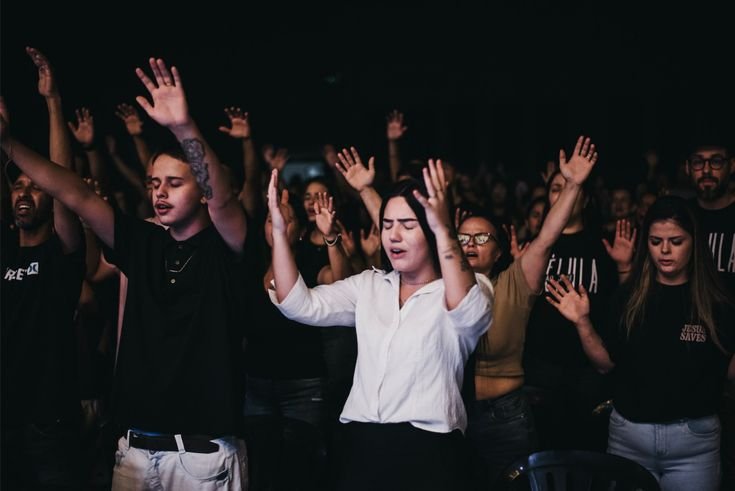
Waiting is one of the most universal and difficult human experiences, yet within sacred music, it is transformed from passive frustration into an active spiritual discipline. Hymns centered on waiting on God explore what theologians often call the “theology of delay”—the belief that seasons of silence or unanswered prayer are not signs of abandonment, but vital periods of inner preparation. Through steady rhythms and reflective lyrics, these compositions reframe impatience as an opportunity to build endurance, trust, and quiet resilience. Rather than demanding immediate solutions, hymns about waiting invite listeners to find peace in the pause between promise and fulfillment.
This theme is vividly captured in classic hymns like “Be Still, My Soul,” translated from the German lyrics of Katharina von Schlegel in 1855. Set to the sweeping, measured melody of Jean Sibelius’s Finlandia, the hymn directly addresses the restless human heart, urging it to remain calm when the future feels uncertain and grief lingers. By reminding the listener that time and change are ultimately governed by a higher wisdom, the song turns anxiety into composed expectancy. Its enduring popularity across generations stems from its honest acknowledgment that waiting is rarely easy, yet stillness remains a deliberate, strength-building choice.
Similarly, the 19th-century hymn “He Leadeth Me,” written by Philadelphia pastor Joseph H. Gilmore, reflects the quiet surrender required when life’s path lacks clear visibility. Composed in 1862 during the turmoil of the American Civil War, Gilmore’s lyrics emphasize trusting step-by-step guidance rather than demanding a complete map of the future. The verses balance moments of sunlit comfort with seasons of deep shadow, illustrating that true hope is not naive optimism, but the steady conviction that delay serves a purposeful direction.
In more modern congregational music, pieces like “In Christ Alone” and adaptations of the Psalms—such as “Wait for the Lord” from the Taizé community—continue this tradition of disciplined hope. Repetitive, meditative chants and grounded contemporary hymns strip away emotional noise, training the mind to focus on faithfulness over instant gratification. By pairing simple, memorable phrasing with patient musical progression, these works mirror the very act of waiting they describe, teaching singers to anchor their expectations in enduring truth rather than shifting circumstances.
Ultimately, hymns about waiting on God endure because they speak directly to the tension between human urgency and divine timing. They remind listeners that hope is not merely wishing for a better tomorrow, but practicing steadfast trust today while the outcome remains unseen. By elevating patience into a meaningful spiritual art, these timeless songs offer clarity, comfort, and strength to anyone navigating life’s quiet, uncertain intervals.