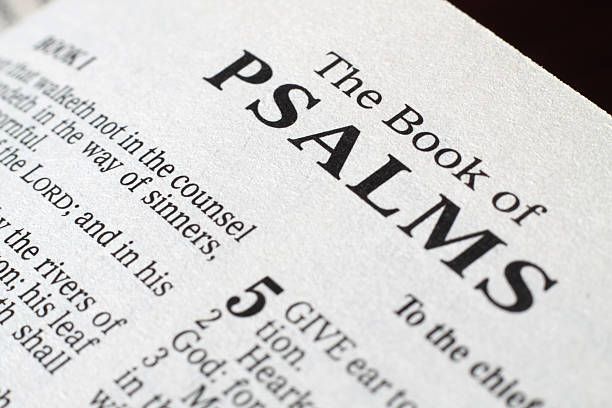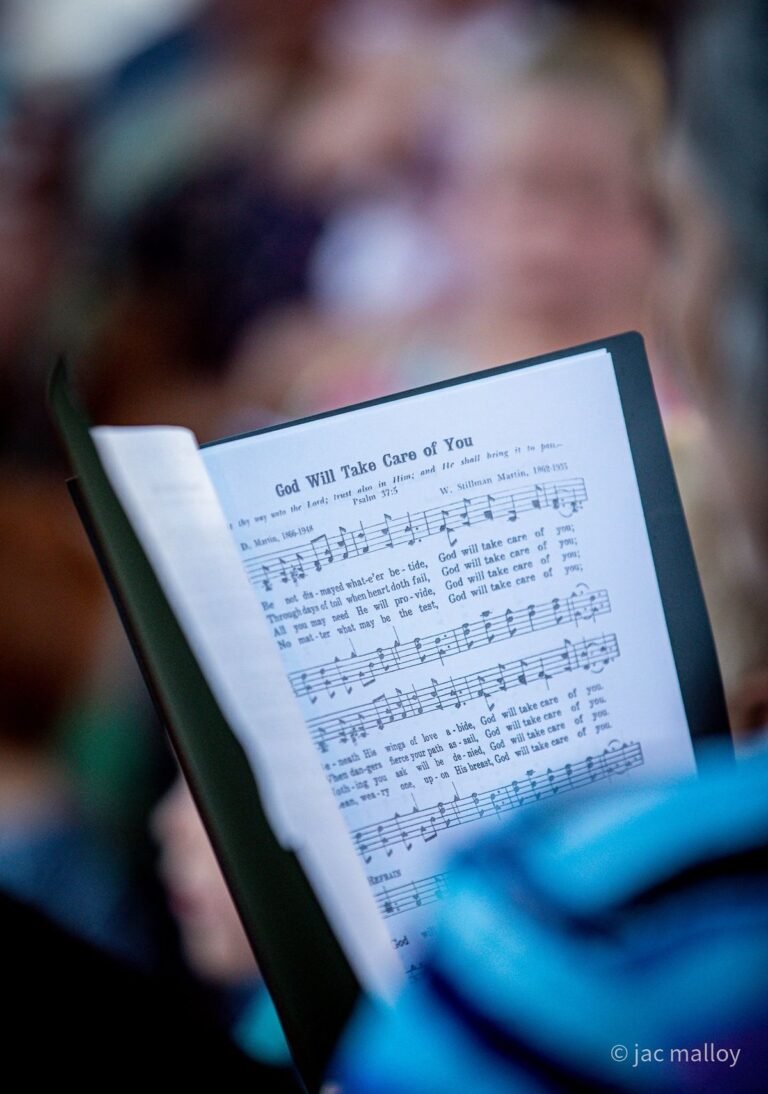
In modern culture, joy and happiness are often treated as interchangeable, yet traditional sacred music draws a sharp and vital distinction between the two. While happiness is a fleeting emotion tied directly to favorable circumstances, good health, or pleasant surprises, the theology of joy celebrated in classic hymns is a deep, settled gladness that remains intact even when everything falls apart. Hymn writers across generations understood that human emotions naturally rise and fall like tides, whereas spiritual joy is an anchor fixed beneath the surface. By exploring this profound theme through clear, poetic language, classic hymns invite singers to experience a resilient peace that does not depend on life going smoothly.
This distinction shines brightly in the 1739 hymn “O for a Thousand Tongues to Sing,” written by Charles Wesley to mark the first anniversary of his spiritual awakening. Rather than celebrating wealth, comfort, or the absence of struggle, Wesley focused on inner liberation, grace, and the transformative power of faith. The lyrics pulse with energetic gratitude, illustrating how true joy springs from a renewed sense of purpose and belonging rather than outward success. For Wesley, joy was not a quiet, passive feeling; it was an active, resilient force capable of breaking through fear, guilt, and discouragement.
Even hymns composed during periods of intense social upheaval or personal trial reflect this unshakeable gladness. Take “Joyful, Joyful, We Adore Thee,” written in 1907 by American author and educator Henry van Dyke while gazing at the Berkshire Mountains in Massachusetts. Set to the soaring melody of Ludwig van Beethoven’s Ninth Symphony, the hymn frames joy as a foundational cosmic reality woven into creation itself. Van Dyke’s verses deliberately confront modern anxieties—mentioning “grief and sin,” “darkness,” and “strife”—only to declare that divine light and gladness ultimately melt away despair. The hymn teaches that joy is not the denial of hardship, but the confident conviction that love and grace hold the final word.
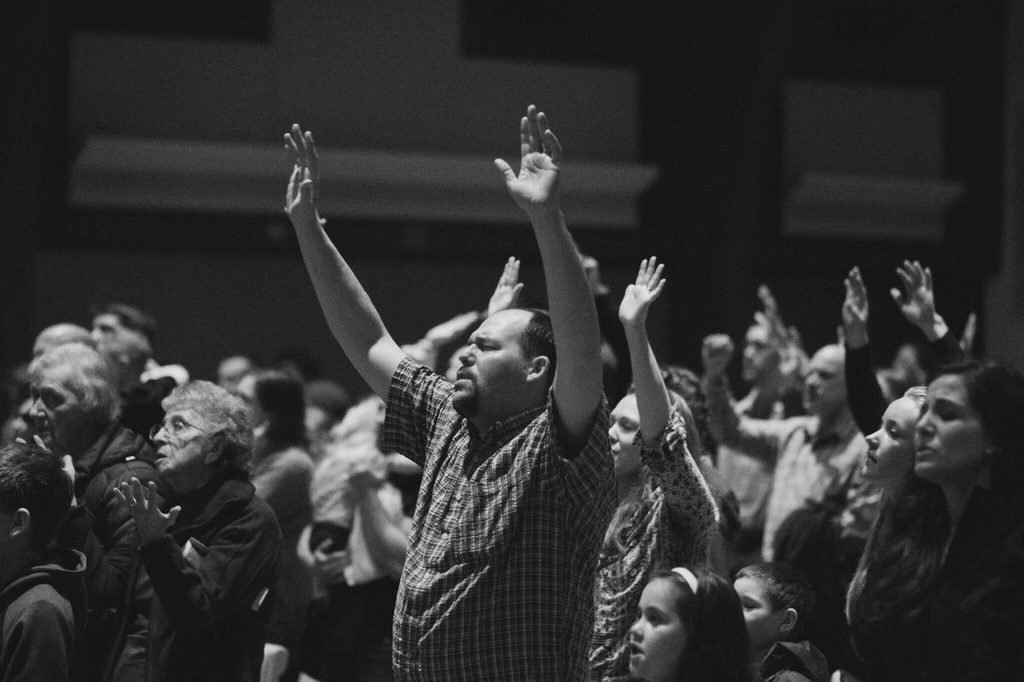
Similarly, the beloved nineteenth-century hymn “Blessed Assurance” demonstrates how deep gladness flourishes when anchored in trust rather than certainty about the future. Written by Fanny Crosby in 1873, the song radiates warmth, contentment, and praise despite the fact that Crosby lived her entire adult life completely blind. Her lyrics describe a “foretaste of glory” and “perfect submission,” revealing that true joy grows when a person stops demanding control over every outcome. Instead of waiting for difficult circumstances to change before feeling grateful, the theology of joy encourages believers to find fullness in the present moment.
Ultimately, the enduring appeal of joyful hymns lies in their honesty about the human condition paired with their refusal to surrender to pessimism. Unlike shallow optimism that ignores real pain, the deep gladness woven into these sacred songs acknowledges life’s storms while offering a steady shelter within them. Across centuries and cultures, congregations continue to sing these timeless verses because they speak to a universal human longing: the desire for a lasting peace that circumstances cannot give and tragedy cannot take away.