Across centuries, denominations, and musical styles, sacred hymns appear on the surface to cover an endless variety of subjects, from quiet morning prayers to grand celebrations of creation. Yet beneath the diverse melodies, poetic metaphors, and historical traditions lies a single, unifying theological thread that binds almost every hymn together. At its core, every hymn is a musical conversation about the relationship between human limitation and divine grace. Whether written in a medieval monastery, a nineteenth-century revival tent, or a modern sanctuary, these songs consistently strip away surface differences to focus on the shared human condition and the search for lasting meaning.
The first half of this shared theology is an honest recognition of human vulnerability and need. Unlike popular music, which often celebrates self-reliance or romanticizes personal triumph, hymns begin with the candid admission that people are fragile, imperfect, and frequently overwhelmed by life. Through simple, relatable imagery—such as wandering sheep, storm-tossed ships, or weary travelers—hymn writers give voice to universal struggles like doubt, grief, and moral failure. By naming these vulnerabilities out loud, hymns create a rare space where listeners do not have to pretend to be strong, reminding everyone that struggle is a normal part of the human experience.
The second half of that foundational message is the assurance of unwavering hope, rescue, and restoration. Hymns never leave the listener stranded in despair; instead, every honest confession of weakness is answered by a declaration of faithful presence and unmerited love. In clear, accessible terms, these songs proclaim that human flaws are met with forgiveness, isolation is replaced by belonging, and present sorrow is ultimately temporary. This movement from brokenness to wholeness forms the emotional and spiritual heartbeat of sacred music, offering a steady anchor when circumstances feel uncertain.
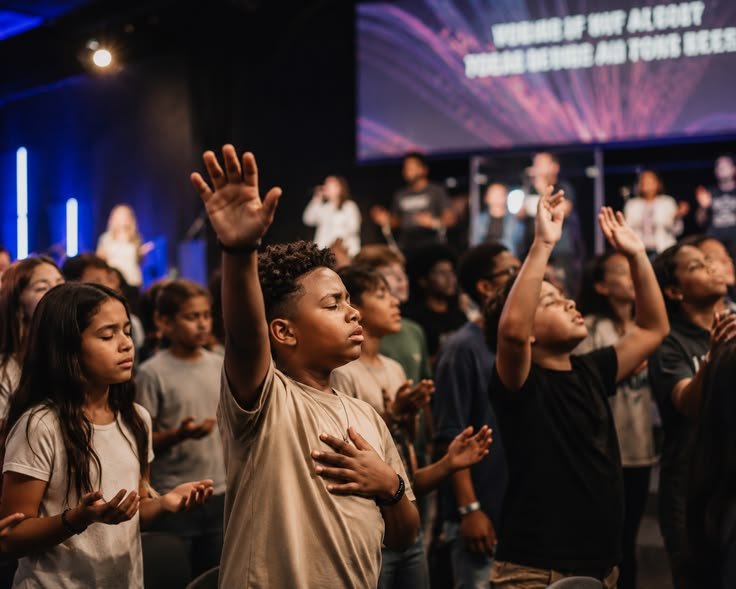
Because this underlying theology focuses on fundamental human truths rather than complex religious jargon, hymns effortlessly cross cultural and generational boundaries. A believer reading an ancient Latin chant and a congregation singing a familiar folk melody are participating in the exact same spiritual arc: acknowledging their need and celebrating a love greater than themselves. Even listeners outside traditional religious settings often find comfort in these lyrics because the themes of grace, endurance, and redemption speak directly to the deepest longings of the human heart.
Ultimately, understanding the one theology underneath all hymns reveals why these centuries-old songs remain vital today. They are not merely historical artifacts or routine parts of a weekly service; they are timeless reminders that no one walks through life entirely alone. By consistently pairing honest vulnerability with unshakable hope, every hymn tells the same enduring story—that human weakness is never the final word, and that grace is always within reach.