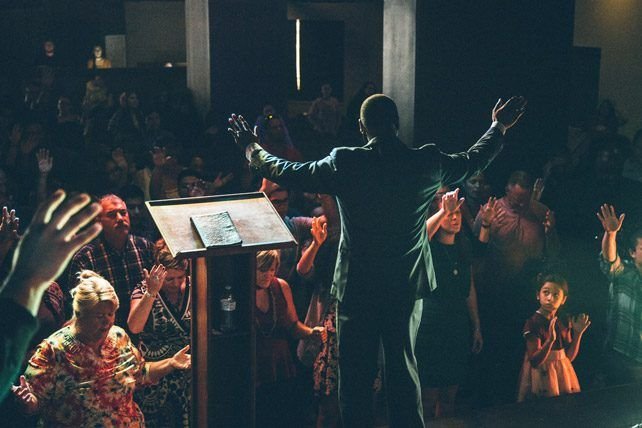
While theology and structured doctrines provide the essential framework of Christian belief, the ultimate expression of the faith has always been designed to culminate in worship and song. Doctrines serve a vital purpose by defining truth, clarifying misunderstandings, and anchoring believers in historical and spiritual principles. However, ideas alone remain incomplete until they move from the mind to the heart and find expression in praise. Throughout Christian history, sacred music has served as the bridge between intellectual understanding and lived devotion, transforming abstract theological concepts into shared emotional and spiritual experiences.
Scripture itself repeatedly illustrates that the final response to divine truth is musical rather than purely analytical. From the ancient Psalms of David to the hymns of the early church, moments of profound revelation, deliverance, and hope consistently overflow into melody. Even in the New Testament’s concluding vision of eternity, the ultimate gathering of believers is not depicted as a formal debate or a lecture hall, but as a grand chorus singing a new song of redemption. This biblical pattern reveals that while doctrine explains the story of faith, song is the natural language used to celebrate its fulfillment.
Music also possesses a unique ability to unite people across generations, cultures, and educational backgrounds in ways that complex theological treatises rarely can. A well-crafted hymn or worship song distills deep spiritual truths into simple, memorable words that anyone can grasp and carry into daily life. When communities sing together, individual voices blend into a unified declaration of shared hope, creating a sense of belonging and collective strength. In moments of grief, celebration, or uncertainty, believers rarely recite systematic definitions; instead, they turn to familiar melodies that anchor their souls.
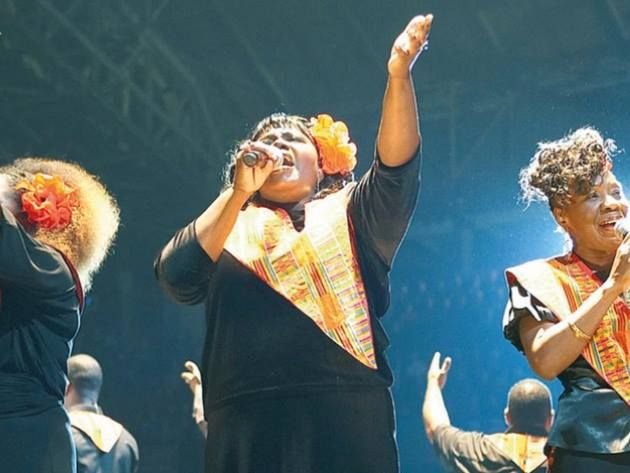
Furthermore, singing engages the whole person—mind, emotion, and body—making faith an active, holistic experience rather than a passive intellectual exercise. Doctrines teach believers what is true, yet music invites them to feel the weight and beauty of that truth in real time. Rhythm and harmony imprint spiritual realities deeply into human memory, allowing verses of comfort and courage to resurface effortlessly during life’s hardest trials. In this way, sacred song turns belief into resilience and knowledge into genuine affection.
Ultimately, saying that the last word of the Christian faith is a song does not diminish the value of sound doctrine; rather, it reveals doctrine’s true destination. Theology acts as the sturdy root system, while worship in song is the vibrant flower that blooms at the surface. When all questions are finally answered and faith gives way to sight, analytical explanations will no longer be necessary, leaving only gratitude, joy, and praise. That enduring melody is the true heartbeat of Christian hope, echoing long after words and arguments have faded away.