While powerful sermons and impassioned speeches certainly play a role in Christian missions, history suggests that music often possesses a unique, transcendent power to stir the human heart toward sacrificial service. For centuries, specific hymns have acted as anthems of the faith, functioning not merely as songs, but as catalysts for action. These musical compositions, born from deep theological conviction and personal spiritual experience, have consistently moved individuals to leave the comforts of home and dedicate their lives to spreading the gospel in distant lands. The simple, emotive combination of melody and poetry has proven, time and again, to be the spark that ignites a missionary vocation.
Perhaps the most iconic example of this phenomenon is the hymn “I’ll Go Where You Want Me to Go.” Written in the late 19th century by Mary Brown and arranged by Carrie E. Rounsefell, the song’s lyrics are a direct and personal pledge of obedience. Unlike hymns that focus on praise or comfort, this piece confronts the singer with a choice: to remain in a place of ease or to venture wherever God leads, even if the path is unclear or demanding. Countless missionaries have recounted hearing this hymn at a pivotal moment in their lives—often during a youth convention or a missionary conference—and feeling an undeniable, personal call. The simplicity of the chorus, “I’ll go where You want me to go, dear Lord,” has served as a definitive step of faith for thousands.
Another profoundly influential hymn in missionary circles is “O Zion, Haste, Thy Mission High Fulfilling.” This hymn, penned by Mary Ann Thomson, adopts a different approach, emphasizing the urgency of the Great Commission. Its strong, marching rhythm and stirring lyrics remind believers of the high cost of salvation and the critical need to share that message with those who have not heard it. The powerful line, “Publish glad tidings, tidings of peace, tidings of Jesus, redemption and release,” functions as a clarion call to action. It reframes missions not as an optional activity for a select few, but as an urgent mandate for the entire Church. Its message has resonated across generations, challenging complacency and stirring a sense of holy responsibility.
Similarly, “Hark! the Voice of Jesus Crying,” attributed to Daniel March, has a long history of motivating missionary service. This hymn directly quotes the biblical narrative of Jesus calling His disciples, but updates the context to the modern world. The first stanza poses the penetrating question: “Who will go and work today? Fields are white, and harvests waiting; who will bear the sheaves away?” This direct address, coupled with the hymn’s compelling melody, has historically been used in church services to call for volunteers for both home and foreign missions. It personalizes the call, making the listener feel directly addressed by Christ Himself, compelling many to answer, “Here am I, send me.”

It is also important to acknowledge the power of “Lead On, O King Eternal.” While not exclusively a missionary hymn, its martial tone and themes of spiritual warfare have made it immensely popular in contexts where commitment and sacrifice are emphasized. Written by Ernest W. Shurtleff as a graduation hymn for his seminary class, it speaks of following a divine leader into battle, not with carnal weapons, but with the power of the cross. For those considering a missionary call, which often involves hardship and spiritual opposition, this hymn provides the assurance of divine leadership and ultimate victory. It is a song of courage, emboldening individuals to step out in faith knowing that the “King Eternal” goes before them.
The enduring impact of these hymns lies in their ability to move theological truth from the head to the heart. A sermon may explain the biblical mandate for missions, but a hymn allows an individual to sing that mandate as their own personal prayer and commitment. This process of singing reinforces the message and makes it part of one’s spiritual identity. These hymns provide a language for the inexpressible desire to serve God and others, creating a bridge between a moment of inspiration and a lifetime of vocational service. They are more than music; they are spiritual markers in the lives of countless individuals.
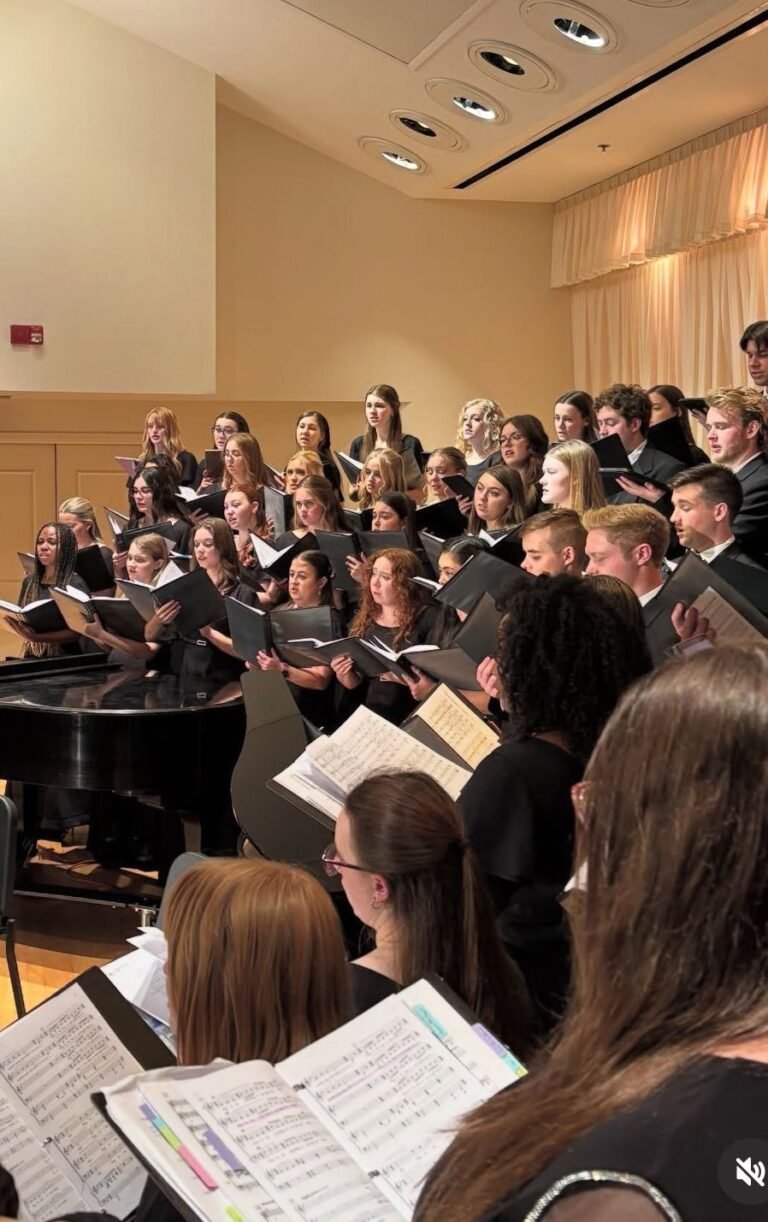
Furthermore, the communal nature of singing these hymns in a church service amplifies their effect. When hundreds or thousands of voices join together to sing “Send Me,” it creates a powerful atmosphere of collective purpose and commitment. This shared experience often provides the confirmation and encouragement an individual needs to act on a budding sense of calling. The corporate affirmation strengthens the individual resolve, making the decision to become a missionary feel supported by the entire faith community.
In conclusion, while the role of preaching and teaching in Christian missions remains vital, history clearly demonstrates the unique and powerful influence of hymns. Songs like “I’ll Go Where You Want Me to Go,” “O Zion, Haste,” “Hark! the Voice of Jesus Crying,” and “Lead On, O King Eternal” have been used by God in extraordinary ways. They transcend cultural and generational barriers, speaking directly to the human soul and inspiring a response of sacrificial love. For many missionaries, the call did not come through a booming sermon, but through a still, small voice carried on the wings of a timeless hymn.