In August 1858, humanity achieved what many had considered impossible: connecting Europe and North America across 2,000 miles of ocean with a single telegraph cable. When the final splices were made and signals began traveling through the Atlantic depths, the immediate reaction on both sides of the ocean was not merely technical pride, but profound reverent wonder. To mark this historic breakthrough, communities instantly turned to traditional music, raising their voices in hymns of gratitude to celebrate the dawn of the global telecommunications era.
Spontaneous Celebrations on the Atlantic Coasts
The completion of the cable triggered spontaneous, joyful gatherings in coastal landing zones and major cities alike. In Trinity Bay, Newfoundland, and Valentia, Ireland—where the cable made landfall—crews, engineers, and local residents gathered on the shorelines. Lacking elaborate sound systems or formal concert arrangements, the crowds used their voices to express shared relief and awe. Eyewitness accounts record that as soon as test signals confirmed the connection was live, groups spontaneously burst into traditional hymns, transforming remote beaches into open-air places of thanksgiving.
The Popularity of the Iconic Doxology
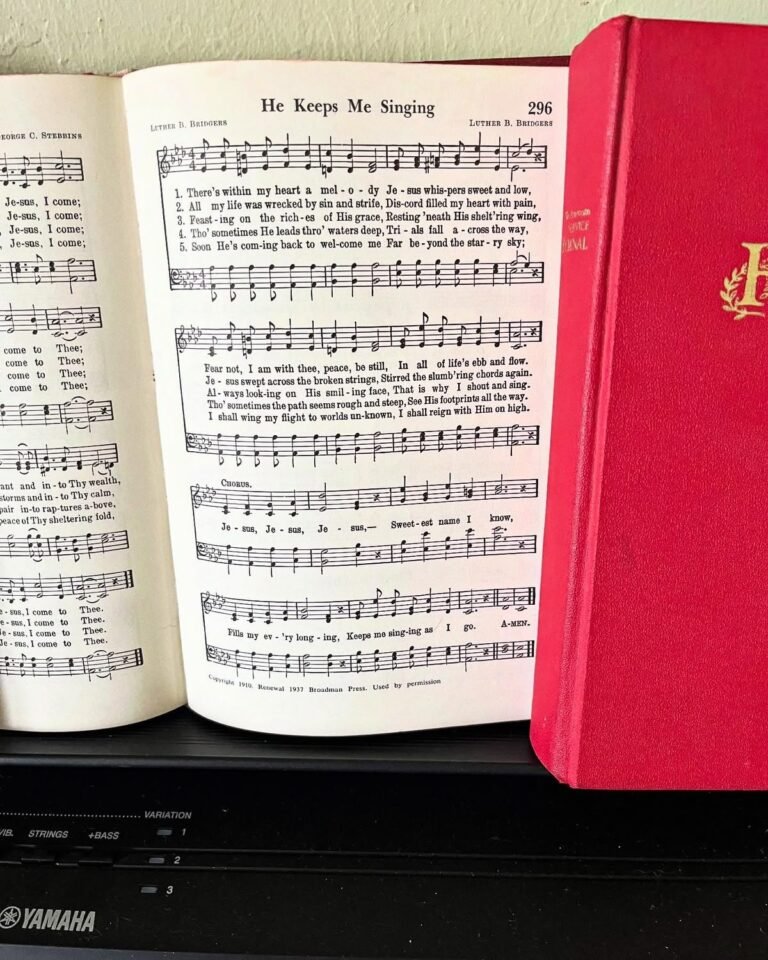
Among the various sacred songs sung during these nationwide and transatlantic celebrations, the most prominent was the classic Doxology (“Praise God, from whom all blessings flow”). Its popularity in these moments was both practical and symbolic. Because the four-line stanza was universally known across different Christian denominations, thousands of people could instantly sing together without needing hymnbooks or sheet music. Set to the familiar tune Old 100th, the hymn allowed diverse crowds of sailors, scientists, and onlookers to unite in a single, powerful chorus of praise.
Symbolism of Faith and Technological Progress
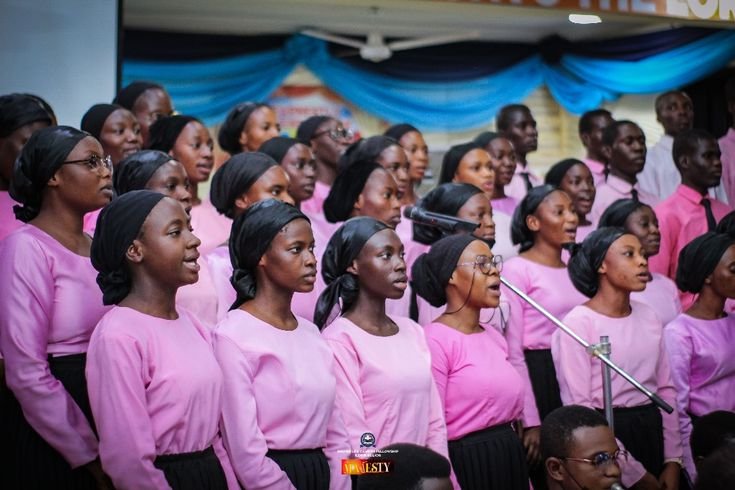
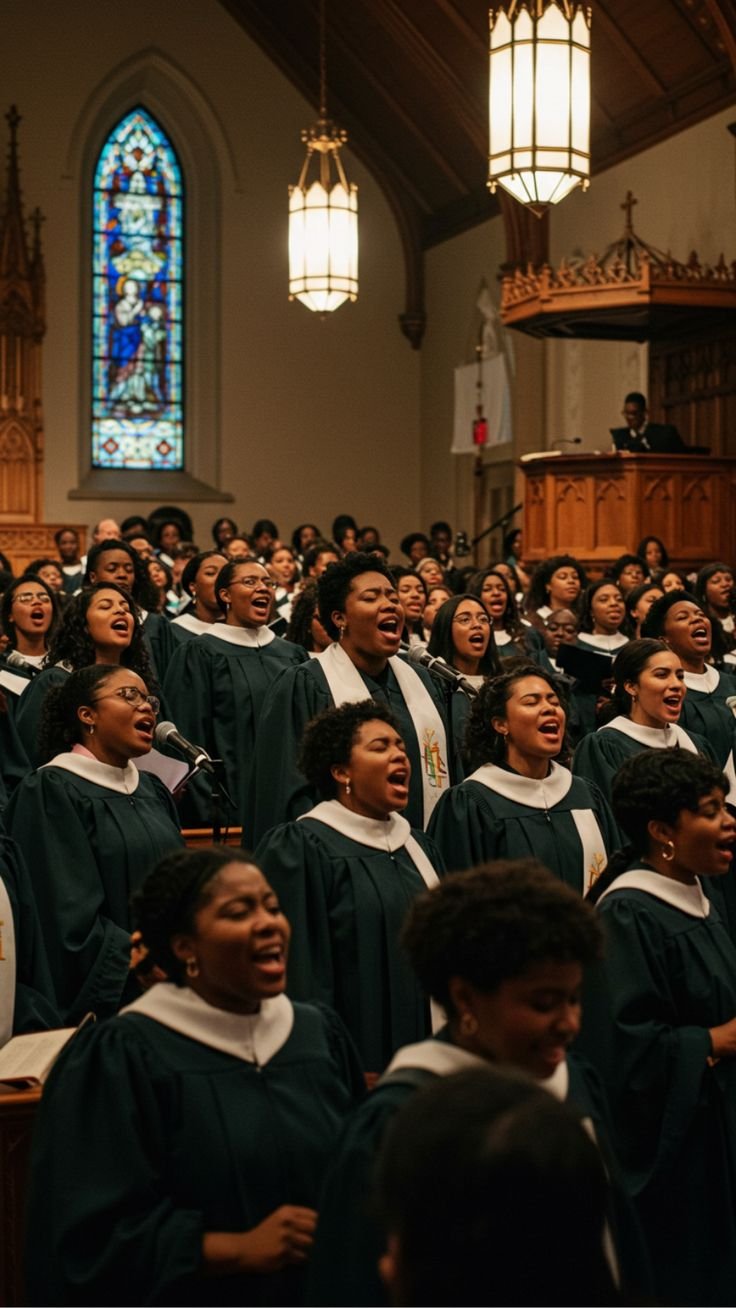
During the Victorian era, scientific breakthroughs were rarely viewed in isolation from faith. The successful installation of the transatlantic cable was treated as a divine gift that would unite humanity and foster international peace. When telegraph offices and city halls across the United States and Great Britain broadcast the news, church bells rang and congregations gathered inside sanctuaries to sing hymns of praise. The musical tributes reflected a deep belief that human ingenuity and divine providence had worked together to bridge the ocean gap.
A Timeless Reflection on Human Connection
The singing of hymns at the opening of the transatlantic cable remains a fascinating chapter in the history of technology and culture. It demonstrates how human beings naturally reach for shared cultural and spiritual traditions to make sense of life-changing progress. By welcoming the modern digital age with ancient melodies of gratitude, those early witnesses reminded the world that every great leap in communication ultimate serves a higher purpose: bringing people closer together.