Among the vast library of sacred music, few origin stories match the peaceful solitude of the hymn composed while drifting on a boat through the Scottish Highlands. During a journey across the misty waters of Loch Lomond in the mid-nineteenth century, minister and writer Horatius Bonar found inspiration far away from his study desk. Surrounded by towering mountains, calm waters, and complete silence, Bonar set out to capture the serene comfort of finding rest amid life’s unpredictable storms. The quiet environment allowed him to craft the beloved lines of “I Heard the Voice of Jesus Say,” transforming a simple journey across a Scottish lake into a masterpiece of spiritual reflection.
The Influence of the Scottish Landscape
The natural beauty of the Scottish Highlands played an essential role in shaping the atmosphere of the piece. Floating rhythmically on the water, Bonar was struck by the dramatic contrast between the harsh, rugged peaks above and the quiet stillness of the lake below. This visual harmony directly influenced the imagery of the lyric, which balances themes of exhaustion and burden with promises of peace and living water. By mirroring the physical tranquil environment around his boat, Bonar managed to turn a personal travel experience into a universal metaphor for emotional renewal and spiritual sanctuary.
Simplicity in Structure and Message
What makes this highland composition stand out in hymnal history is its straightforward, approachable language. Bonar consciously chose clear, everyday terms rather than dense theological concepts so that readers and singers of any background could immediately understand its message. The structure follows a simple call-and-response format: the first half of each stanza presents a universal human challenge—such as feeling weary, thirsty, or lost in darkness—while the second half offers a warm, reassuring resolution. This elegant simplicity ensures that the hymn remains effortless to sing, remember, and pass down across generations.
From a Small Boat to Global Sanctuaries
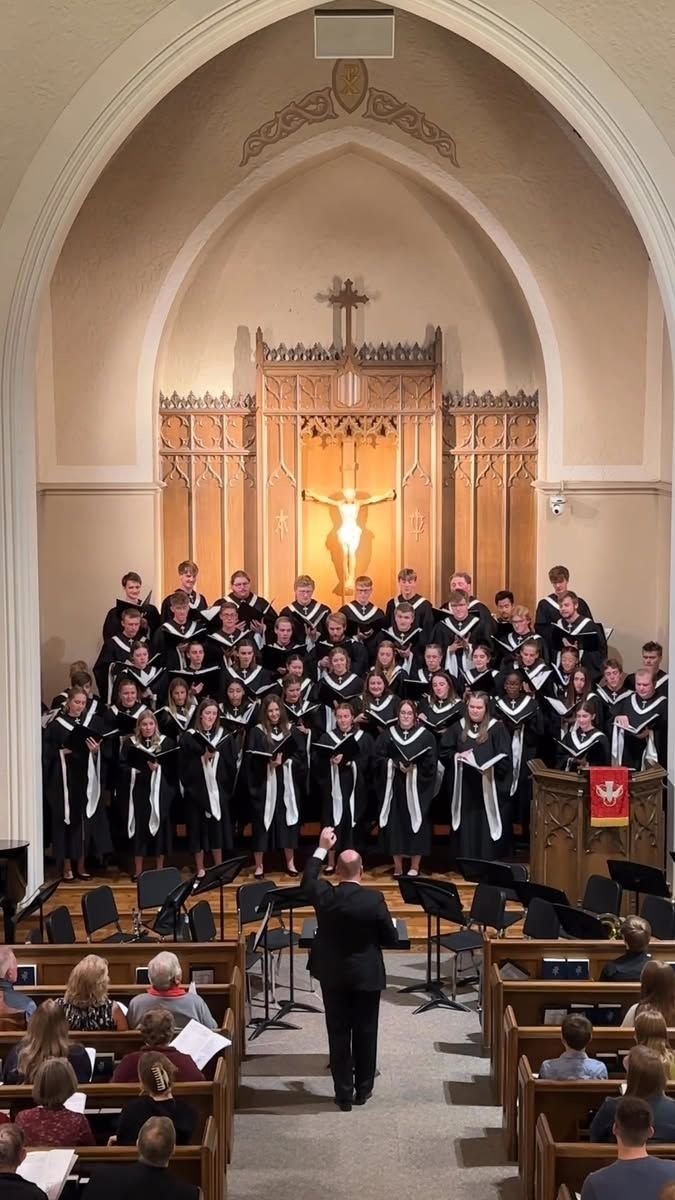
Although born in a moment of quiet isolation, the hymn quickly traveled far beyond the shores of the Scottish Highlands. Once set to gentle, folk-inspired melodies—most notably the traditional tune Vox Dilecti—it gained widespread popularity across Great Britain and North America. Worship leaders and congregations appreciated how naturally the rhythm reflected the gentle motion of rolling water. Its universal appeal allowed it to cross denominational boundaries, quickly earning a permanent place in standard hymnals and choir repertoires around the globe.
An Enduring Legacy of Reflection
The story behind this floating composition serves as a timeless reminder of the power of stillness and natural inspiration. Horatius Bonar proved that profound art often emerges not from intense pressure or formal settings, but from moments of quiet observation. Today, when congregations sing “I Heard the Voice of Jesus Say,” they connect directly to that tranquil afternoon on a Scottish lake over a century ago. The hymn stands as a lasting testament to how a brief escape into nature can yield a timeless message of peace and comfort for millions.