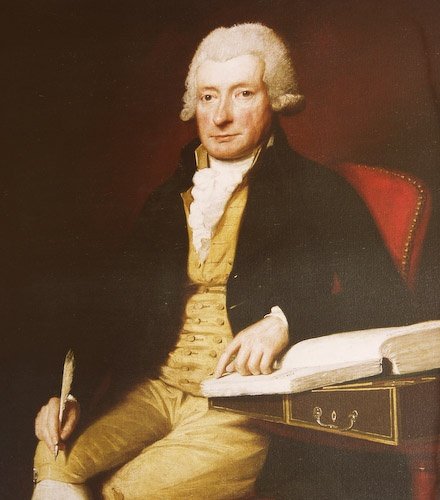
When evaluating the most influential songs in human history, secular hits often dominate mainstream culture, but a single sacred hymn holds a recording record that leaves even pop royalty behind. Written in 1772 by John Newton, an English clergyman and former slave ship captain, “Amazing Grace” has evolved into the most recorded Christian hymn in music history. While exact figures are difficult to tally across every local archive and independent studio worldwide, music historians estimate that “Amazing Grace” has been recorded over 11,000 times by commercial artists alone. This astonishing volume of studio recordings across almost every continent highlights a phenomenon that spans genres, cultures, and generations.
Cross-Genre Adaptability and Universal Appeal
The primary reason for the staggering number of recordings lies in the song’s unique musical structure. “Amazing Grace” is written in a simple pentatonic scale, a five-note structure found in traditional music systems across Asia, Africa, Europe, and the Americas. Because the melody relies on these fundamental musical notes, artists can easily adapt it to almost any musical style without losing its identity. From country icons like Johnny Cash and gospel legends like Aretha Franklin to classical opera stars, punk rock bands, and traditional bagpipe ensembles, the hymn effortlessly crosses artistic boundaries. This structural adaptability makes it an attractive choice for musicians seeking a piece that showcases both vocal range and emotional depth.
Commercial Success and Global Cultural Footprint
Beyond church pews, “Amazing Grace” has achieved commercial milestones that rival modern pop records. Judy Collins’s 1970 a cappella arrangement spent 67 weeks on the UK Singles Chart, while the Royal Scots Dragoon Guards’ 1972 bagpipe rendition sold over seven million copies globally, topping charts in multiple countries. The hymn has been performed at historic presidential inaugurations, national memorials, and major international benefit concerts. Its presence in popular culture is so pervasive that it is estimated to be performed publicly over ten million times each year across religious services, concerts, and public gatherings.
The Power of a Simple, Timeless Message
While musical flexibility explains why artists can record “Amazing Grace,” the song’s underlying message explains why they choose to. Newton wrote the words to express personal gratitude for survival, transformation, and forgiveness after enduring severe storms at sea and abandoning his life in the slave trade. The lyrics offer a universal narrative of hope, redemption, and comfort during suffering without relying on dense or exclusionary language. Because the theme of overcoming struggle is fundamentally human, the song resonates with believers and non-believers alike, transforming a simple eighteenth-century church composition into a universal anthem of resilience.
A Masterclass in Enduring Creative Legacy
The incredible history of “Amazing Grace” offers a valuable lesson for modern writers, speakers, and creators. It demonstrates that the most enduring work is rarely the most complex; rather, it is work built on simplicity, authentic emotion, and universal truth. By stripping away artificial complexity and focusing on a message that directly addresses human need, Newton created a piece of art that transcended his own era. For anyone seeking to build a lasting legacy, “Amazing Grace” stands as the ultimate benchmark of how simple, honest content can echo through generations.