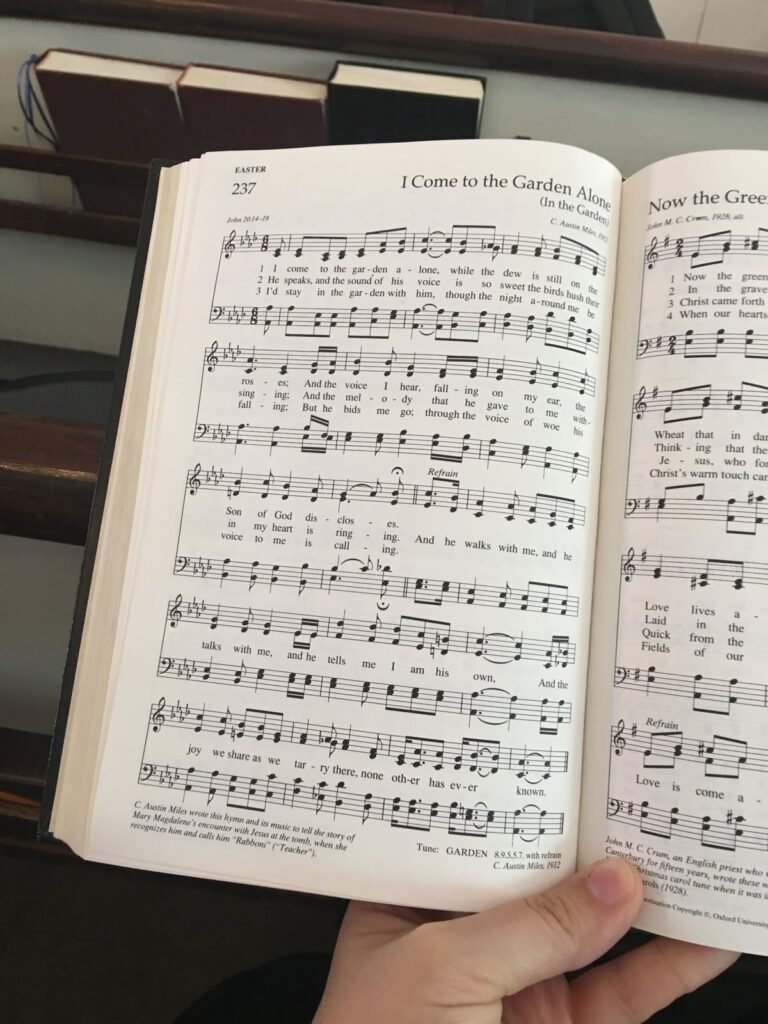
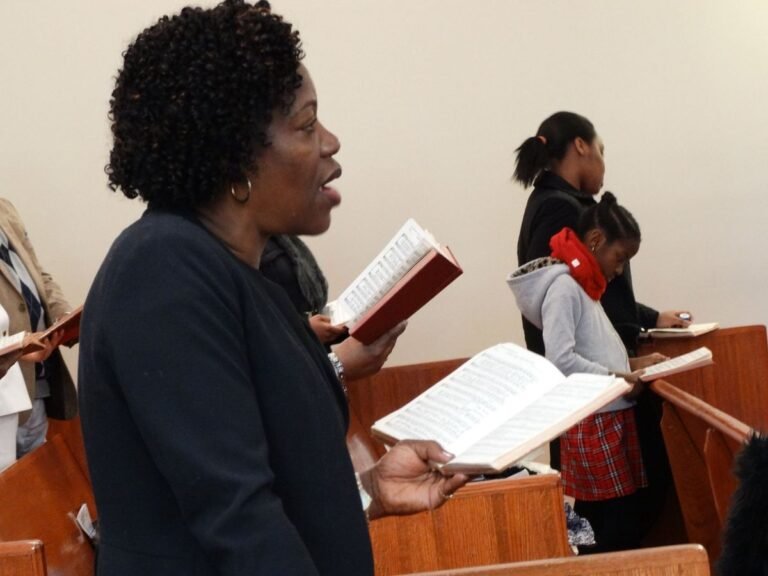
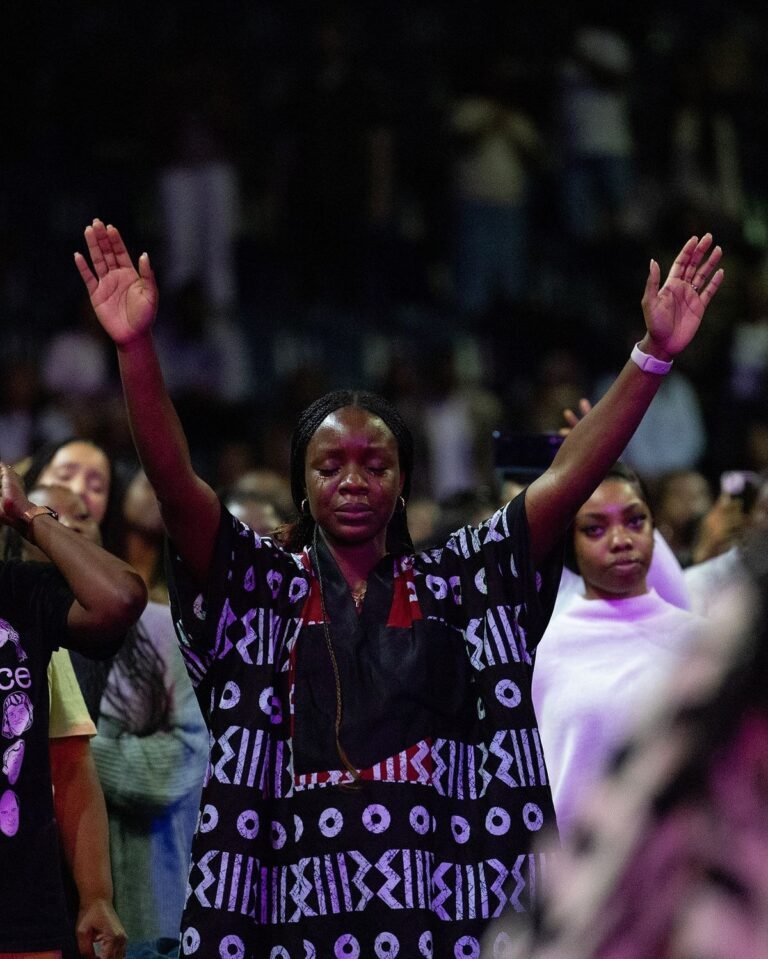
Throughout history, sacred music and secular culture have occasionally crossed paths in surprising ways. One of the most fascinating examples is how a lively nineteenth-century popular melody, often associated with informal social settings like barrooms and community halls, transformed into a universally cherished hymn. In the early days of modern congregational singing, church leaders frequently faced a major challenge: getting congregations to learn and remember new sacred lyrics. To solve this, hymn writers would adopt recognizable, widely known folk tunes of the day and set spiritual words to them. This strategy transformed popular melodies into powerful vehicles for worship, creating a seamless connection between everyday life and sacred song.
Turning Common Melodies into Sacred Traditions
The practice of recycling popular tunes for religious use was driven by practicality and psychological wisdom. In the nineteenth century, sheet music was expensive, and formal musical education was limited to the upper classes. By borrowing familiar tunes—including catchy melodies sung in taverns and public gatherings—hymnologists ensured that anyone could participate immediately without reading music. Placing sacred words over a rhythmically familiar framework removed the barrier of formal music training. What once accompanied lighthearted social gatherings was repurposed to give voice to solemn reflection, deep comfort, and communal hope, demonstrating the remarkable flexibility of human musical traditions.
Overcoming Skepticism and Bridging Culture
When these repurposed hymns were first introduced, they were not without controversy. Religious traditionalists expressed skepticism, questioning whether tunes born in secular or informal settings were appropriate for sacred sanctuaries. However, the emotional power of the lyrics, combined with the natural warmth of the music, quickly won over doubters. The contrast between the tune’s humble origins and its new elevated purpose actually enhanced its appeal. Instead of driving people away, the familiar music invited the working class and everyday citizens into worship spaces, effectively bridging the gap between sacred institutions and everyday culture.
Why the Melody Resonates Across Generations
The enduring popularity of these hymns lies in their unique blend of simplicity, strong rhythm, and emotional clarity. Secular tunes designed for public sing-alongs relied on clear, memorable melodic structures that naturally resonated with human voice ranges. When paired with meaningful spiritual lyrics, the resulting hymn became far more than just a church song—it became a timeless anthem. The emotional depth added by the sacred words gave the familiar melody a renewed sense of purpose, helping it survive through generations and cross cultural boundaries long after the original secular lyrics were completely forgotten.
A Lasting Lesson in Adaptability and Connection
The story of how a common tune became a beloved sacred staple offers a powerful lesson in communication and cultural adaptation. It demonstrates that the origin of an idea or medium matters far less than how it is reshaped to serve a higher, positive purpose. By meeting people where they were and utilizing the tools already familiar to them, nineteenth-century creators built a musical legacy that still inspires millions around the globe. For modern communicators and creative leaders, this historic transformation stands as a recommended case study in making meaningful concepts accessible, relevant, and timeless.