The history of sacred music is filled with melodies born from peace, but one of Christianity’s most enduring hymns was forged in a moment of sheer panic. During the intense religious upheaval of eighteenth-century England, Augustus Toplady, an ardent and uncompromising preacher, found himself hunted by an angry mob. Forced to flee for his life across the countryside, he sought refuge in a dark, drafty farm stable while his pursuers scoured the surrounding area. It was inside this humble shelter, hidden among livestock and surrounded by the threat of immediate violence, that Toplady penned the words to “Rock of Ages”—a hymn that would go on to comfort millions across centuries.
The Chemistry of Crisis and Inspiration
Toplady’s desperate situation directly shaped the vivid imagery of his writing. Sitting in the cold stable, surrounded by the physical solidness of stone walls and wood, he reflected on the absolute fragility of human strength when faced with chaos. Male writers and scholars of his day often spent months polishing theological treatises in quiet studies, but Toplady wrote out of raw survival instinct. He needed a anchor that was unshakeable. The metaphor of a cleft rock—a secure hiding place created by God—was not just abstract theology to him; it was a literal reflection of his immediate physical need for shelter and protection from the surrounding storm.
Radical Simplicity for the Common Reader
Despite Toplady’s reputation as an intense theological debate partner in academic circles, the poem he produced in hiding was stripped of all scholarly complexity. “Rock of Ages, cleft for me, let me hide myself in Thee” bypassed dense doctrinal terminology in favor of simple, visual language that anyone could grasp. By keeping the terms direct and relatable, Toplady ensured that the hymn could be understood by ordinary laborers, farmers, and families who faced their own daily hardships. This intentional simplicity allowed the song to spread rapidly across congregations, proving that profound spiritual truth is most powerful when expressed clearly.
From Hiding to Global Resonance
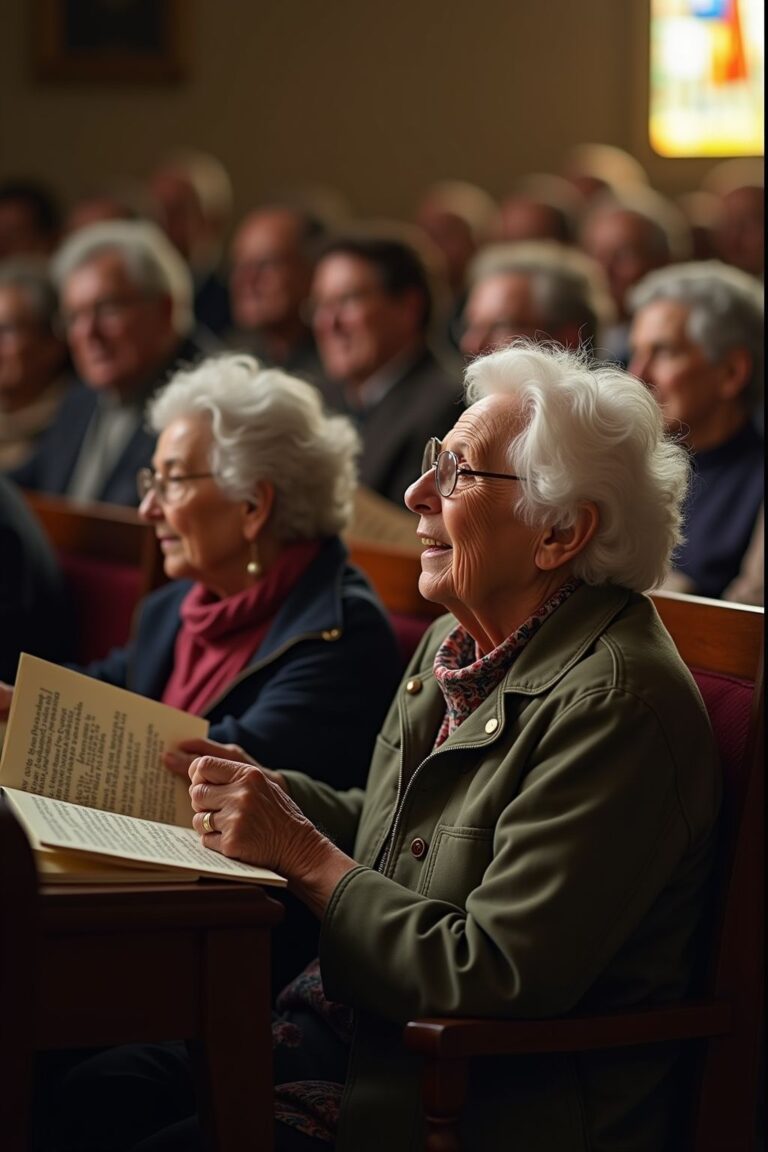
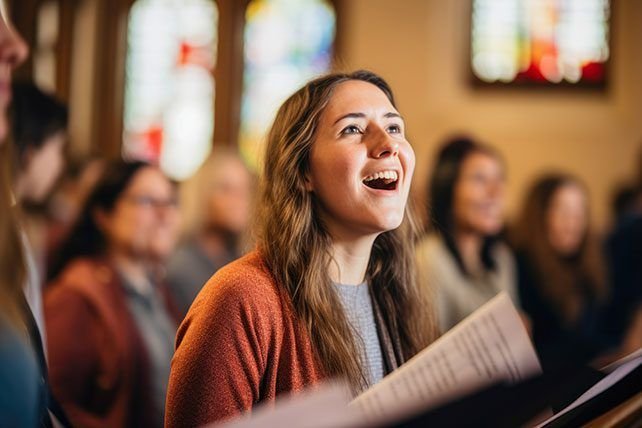
What began as a private plea written in a stable soon became a staple of global congregational singing. Toplady’s hymn succeeded because it captured a universal human experience: the feeling of being overwhelmed and in desperate need of a safe refuge. Unlike standard ceremonial hymns written for formal events, “Rock of Ages” carried an authentic emotional charge that resonated across cultural and social boundaries. Over the centuries, it was translated into dozens of languages, sung on battlefields, and performed at state funerals, demonstrating how a song written in solitude can become a collective source of strength for generations.
A Lasting Lesson in Purpose Under Pressure
The extraordinary origin of “Rock of Ages” offers a timeless lesson about how high-pressure situations can spark enduring creative breakthroughs. Toplady did not wait for ideal conditions, quiet environment, or political safety to produce his greatest work; he used his moment of extreme vulnerability to create something permanently inspiring. For modern readers, communicators, and creators, his story stands as a highly recommended example of how clarity, authenticity, and focus under pressure can transform personal adversity into an artifact of lasting value.